
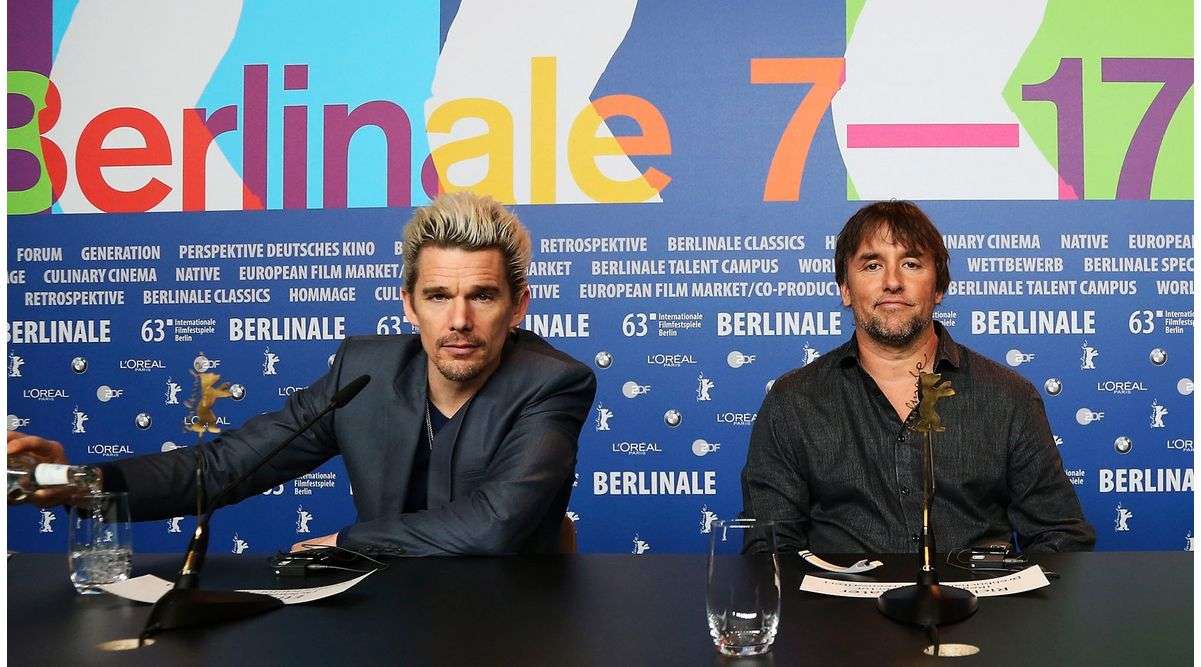
The name Richard Linklater is synonymous with innovative storytelling and a unique cinematic approach that often captures the essence of time and human connection. In 1995, audiences were introduced to ‘Before Sunrise’, a film that not only marked the beginning of a beloved trilogy but also helped reshape the landscape of independent cinema. As a director, a bold risk was taken by Linklater by crafting a low-budget film that focused on dialogue and character development rather than traditional plot mechanics. This gamble paid off, with the Silver Bear for Best Director at the Berlinale being earned and over $22 million worldwide being grossed.
The charm of ‘Before Sunrise’ lies in its simplicity. Starring Ethan Hawke and Julie Delpy, it tells the story of two strangers who meet on a train and decide to spend one evening together in Vienna. The film’s strength is in its dialogue; the conversations between the characters are not only relatable but also reflective of broader themes of love, loss, and the passage of time. It’s incredible to think how a film so focused on conversation could resonate so deeply with audiences, showcasing the power of genuine human connection.
The trilogy’s success showcases Linklater’s ability to blend narrative with philosophical inquiry. For instance, ‘Before Midnight’ delves into the complexities of long-term relationships, highlighting the tensions that can arise over the years. Critics noted the film’s dramatic weight, with one commenting that it offers a glimpse into the potential conflagration of a couple’s pent-up resentments. This blend of realism and emotional depth is what makes Linklater’s work stand out.
In addition to his recent works, Linklater’s upcoming film ‘The Weight’, starring both Ethan Hawke and Russell Crowe, has created considerable buzz. Set in 1933 Oregon, this film is expected to showcase both actors’ talents while exploring themes of survival and morality against a historical backdrop. The fact that this film will be shot in Bavaria instead of Oregon raises questions about authenticity in storytelling.
In conclusion, Richard Linklater’s films invite us to reflect on our own lives and relationships. His dedication to exploring the human experience through a unique lens has left an indelible mark on cinema. As audiences, we can look forward to the stories he has yet to tell, continuing to challenge our perceptions of time, love, and the intricate tapestry of human connections.