
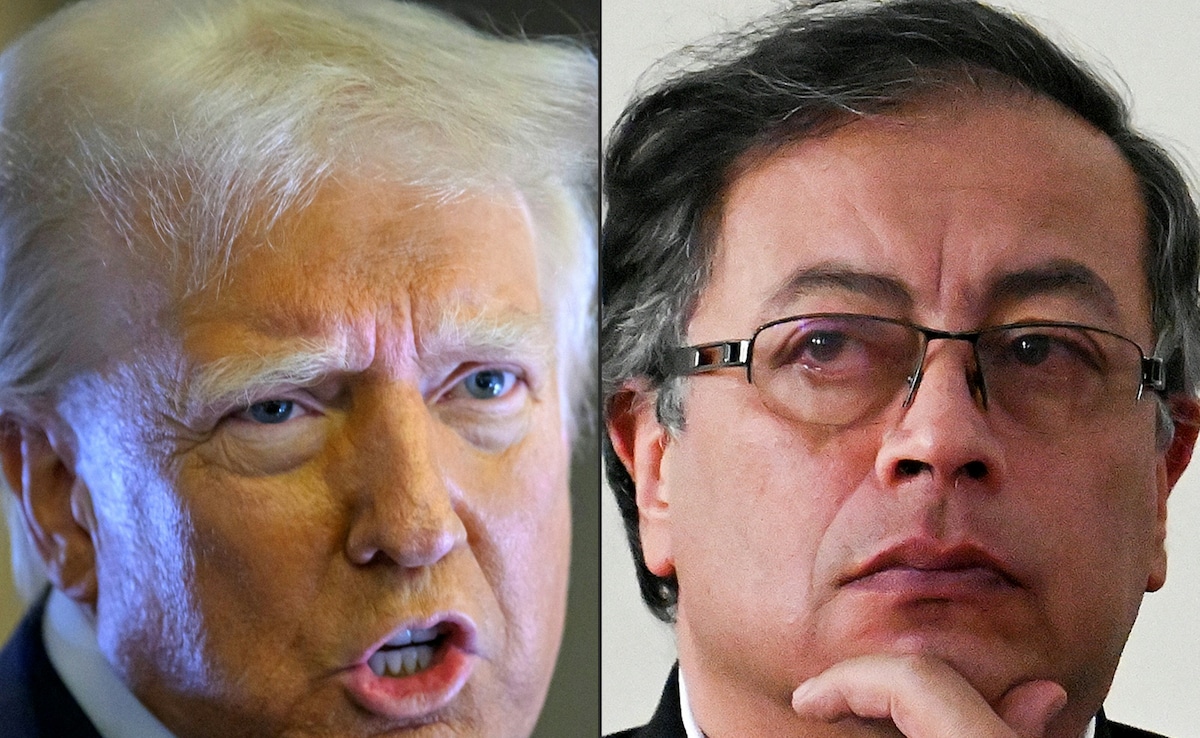
In recent weeks, a diplomatic spat between the United States and Colombia has unfolded, summarizing the complexities of international relations, immigration policies, and national sovereignty. The centre of this controversy has been the refusal by Colombian President Gustavo Petro to have US military planes carrying deported Colombian migrants land in his country. This incident not only speaks about the relations between the two nations, but reflects the larger issues surrounding immigration in the Americas.
But above all, behind this diplomatic show is a harshly conflicting attitude over two different immigration policies. The newly inaugurated President Donald Trump has clearly set his intentions against illegal immigration – swift deportations with harsh penalties upon nations that refused to cooperate with him. This hardline stance has been met with resistance, particularly from Latin American countries that are often the source of migrants. In this case, Petro’s decision to block the deportation flights was a direct challenge to Trump’s policies.
Petro’s Justification
Gustavo Petro, elected in 2022 and a leader of the leftist movement in Colombia, argued that Colombian migrants should not be treated as criminals. His government was particularly open to taking deported citizens into civilian airplanes and insisting that the process must be dignified. Petro went so far as to offer to use his presidential airplane to fly in his deportees, a gesture showing how serious he takes humane treatment over punitive measures. Many Colombians think of their country as a refuge place rather than the place to punish.
Social Media Face-Off
The drama deepened as both leaders went to social media to spell out their frustrations. Trump claimed Petro was compromising US national security and vowed retaliatory actions ranging from tariffs to sanctions. Petro bit back through a long post where he attacked Trump’s style of approach and used Colombian history and literature, speaking in particular of the Garcia Marquez novel characters to drive across his nation’s culture and grit. This diplomatic standoff not only encapsulates personal enmities but also the global political sparring.
Economic Consequences
The economic ramifications of this diplomatic tussle are crucial. Trump revealed his 25% tariffs against Colombian exports and would have reached 50% if that is not met amicably. Such an act would create calamitous blows for Colombia as their economy greatly relies on exporting commodities to the United States. On the other hand, Colombia’s response to the tariffs shows that it is not going to be bullied because it stands firm on treating its citizens with respect, even those who have been deported.
Navigating the Aftermath
Both seem to seek a resolution, as the situation unfolds. Under strong pressure of diplomatic negotiations, Colombia agreed to take deported migrants without any kind of restriction imposed by the US military without economic sanctions against the nation, which demonstrates this balance in holding up national dignity as well as abiding to the international pressures. As it stands today, only time can tell whether or not this situation will mold future US-Colombia relationships for decades to come.
Conclusion: Lesson on Diplomacy
The war is an ongoing issue between the US and Colombia, which commemorates the complexity associated with immigration policy and how this shared global history will shape international relations. Such wars bring out the capacity of talking and giving respect to human dignity to debate such sensitive issues. Drawing from this experience, better future interactions by the US on similar issues with Latin America may be ascertained. Finally, the way-out would-be cooperation, not confrontation. This would enable both countries to address their concerns while maintaining the dignity and respect of all parties involved.