
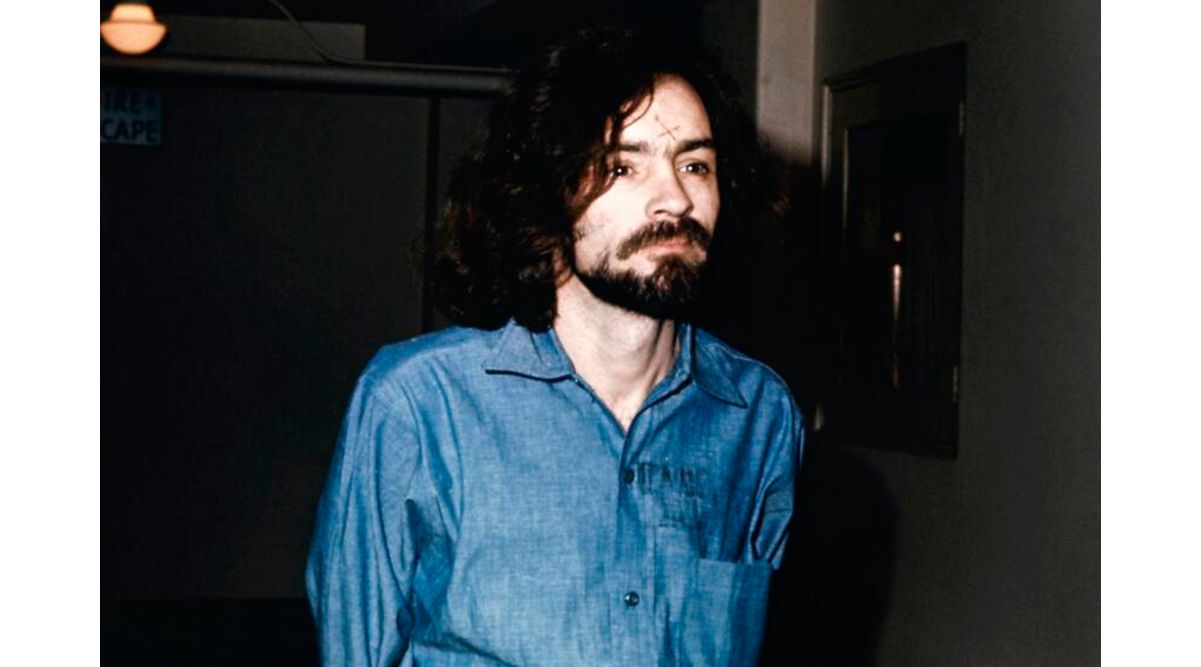
The Manson murders have long captivated the public’s imagination, and with the release of Errol Morris’s new documentary, “Chaos: The Manson Murders,” this interest is reignited yet again. Morris, renowned for his probing documentaries that explore the nature of evil and the human psyche, delves into the complexities surrounding the infamous 1969 killings that shook America to its core. In examining the multifaceted narratives of these murders, we uncover not just the events of that fateful night but also the cultural ramifications that continue to echo today.
How Did the Manson Murders Reshape Hollywood?
The murders committed by Charles Manson and his followers have become synonymous with horror and intrigue. Yet, why do we remain so fascinated by these events that transpired over five decades ago? Morris’s documentary raises this question, exploring how the Manson narrative has been constructed and reconstructed through various lenses over the years. The film suggests that our obsession with the macabre is not merely about the crimes themselves but reflects deeper societal fears and the human propensity for storytelling. Morris engages with journalist Tom O’Neill, whose book served as the foundation for the documentary, as they dissect the “Helter Skelter” narrative that has dominated public discourse.
Conspiracy Theories and the Need for Narrative
One of the most compelling aspects of Morris’s work is his investigation into conspiracy theories surrounding the Manson family. In his documentary, he alludes to potential connections between Manson and government projects like MKUltra, which have long sparked speculation. While Morris does not definitively prove these connections, he opens the door to questions about the intersection of power, control, and delusion. The film effectively illustrates how narratives can become entrenched, often blurring the lines between fact and fiction. It serves as a reminder of our need to craft stories that help us make sense of the incomprehensible.
The Role of Evil in Society
Morris has consistently grappled with the concept of evil in his documentaries, and “Chaos” is no exception. Through interviews with various figures connected to the Manson case, he explores the nature of evil and how it manifests in human behavior. Is evil an inherent trait, or is it a product of circumstance? This profound inquiry resonates throughout the film, challenging viewers to reflect on the darker elements of humanity. Morris’s approach encourages us to confront uncomfortable truths about ourselves and the world we inhabit.
Cultural Reflections and Modern Implications
As we reflect on the cultural impact of the Manson murders, it becomes clear that these events are not merely historical footnotes. They serve as a barometer for understanding contemporary societal issues, such as the allure of cults and the impact of media sensationalism. The documentary prompts an examination of how narratives are shaped by societal fears and the ways in which they can distort reality. In an era where misinformation often runs rampant, Morris’s work serves as a cautionary tale about the narratives we choose to believe.
Conclusion: The Unending Fascination
In the end, Morris’s “Chaos: The Manson Murders” is a thought-provoking exploration of the dark corners of the human psyche and our obsession with violence and evil. It challenges us to question the narratives we consume and their implications for our understanding of truth. As viewers engage with this documentary, they are invited to reflect on the nature of storytelling itself and the ways in which it shapes our perceptions of reality. Ultimately, the fascination with the Manson murders may never wane, as it embodies our deepest fears, curiosities, and the intricate dance between truth and fiction.