

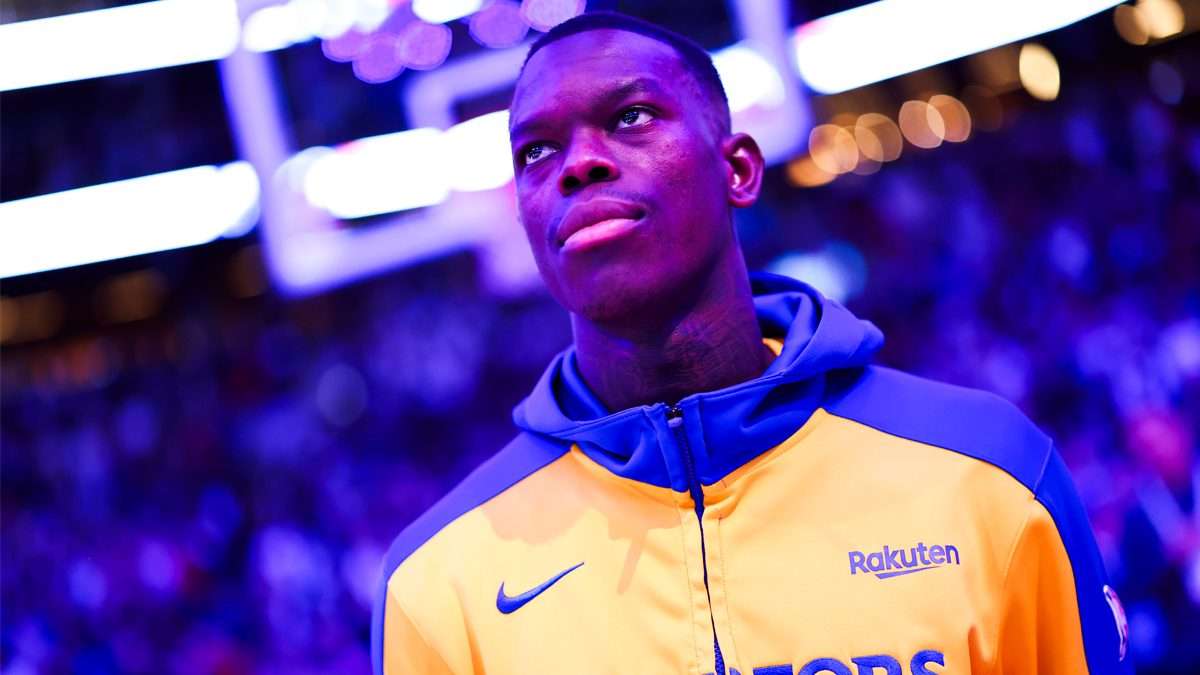
As the NBA trade deadline draws near, it sets off a whirlwind of emotions among fans and players. Recently, veteran point guard Dennis Schröder added fuel to the fire by boldly stating that NBA trades are ‘modern-day slavery.’ With multiple trades in his career, Schröder has a unique perspective on the emotional and psychological toll that such a cutthroat business can have on players.
The Reality of Trades
For Schröder, trading multiple times has given him an exclusive front-row view of the often brutal reality of the NBA. He’s expressed his disbelief at how the trajectory of a career could change overnight. As recently as last week, for example, the shock trade of star player Luka Dončić sent ripples through the league, emphasizing the precariousness of even the most talented athletes. If an All-Star of multiple All-Star teams caliber can be traded without warning, what does that mean for the rest of the league? ### Players as Assets
Schröder’s comments highlight a critical issue: players often feel like commodities rather than individuals.
The reality is, NBA teams operate as businesses. The statistics, the contracts, and the trading decisions are all numbers on a spreadsheet, often devoid of the emotional connection that players have with their teams and fans. This perspective brings to light a tension that exists within the league; while players are expected to put the team first, they can be shipped off to a new city with little more than a phone call. ### The Emotional Toll This can emotionally weight heavily on the backs of the players. Imagine being taken from your home, friends, and teammates to a completely different environment, under stress to not perform at some higher level still. Schröder said that this frequently creates huge anxiety, especially for the junior players in the league, as they are still junior and not yet established. This uncertainty creates performance problems which impinge not only on individual players but on the team as well.
The Need for Change
What is the way forward in these concerns? According to Schröder, the collective bargaining agreement (CBA) must be altered to serve the interest of the players better. There is a need to look into how organizations can create a more humane environment where players are treated with respect and their voices are heard. The NBA has done a lot of good things, but when it comes to trading, there is always an issue.
A Call to Action
Fans should remember the humanity aspect of the game. While cheering for your favorite teams and players, you have to remember they are humans too with families, dreams, and aspirations. Making sure that players receive rights and welfare-related support may build a healthier league environment.
Conclusion
Thus, a conversation is born from Schröder’s comments, and everyone needs a reminder of these intricate mechanisms behind the NBA trade system. We take pride in our joy about the trades and signings, forgetting the human cost behind such decisions. Change is inevitable, and this begins with an informed and engaged dialogue from the fan right through to the players and organizations.