

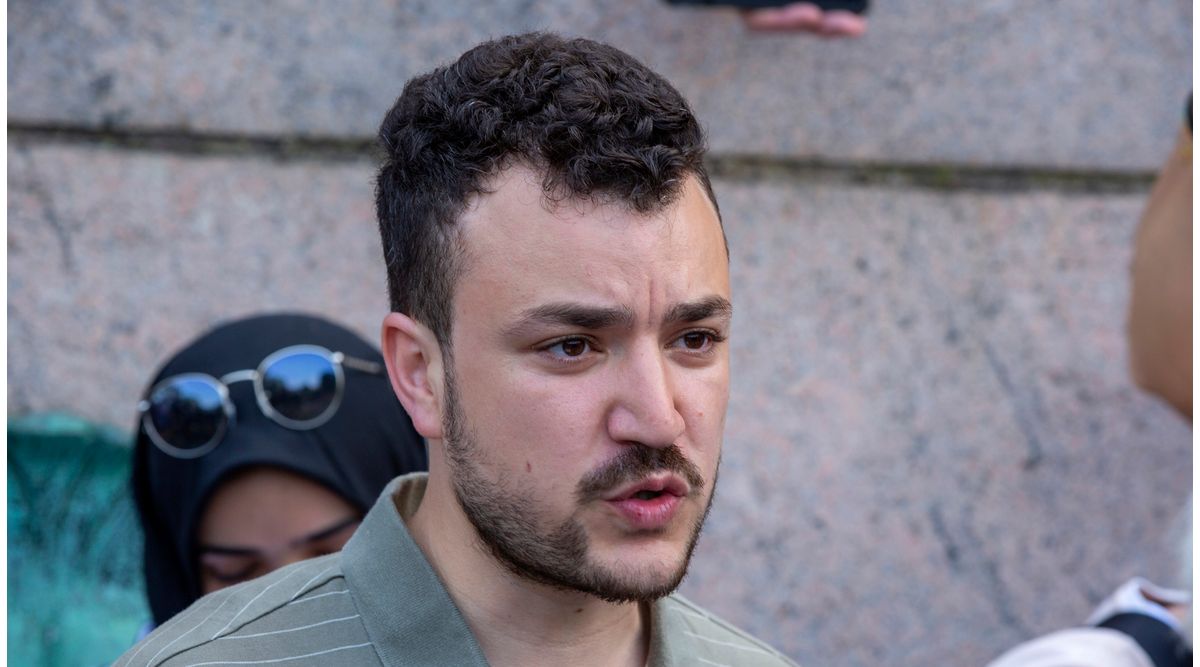
In recent months, the arrest of Mahmoud Khalil, a graduate student at Columbia University, has ignited significant debate regarding immigration policies and the limits of political activism within the United States. Khalil, a legal resident with a history of advocacy for the Palestinian cause, found himself at the center of a crackdown on international students engaging in protests perceived as supportive of terrorism. As a news reporter, I find this case particularly compelling, as it highlights the tensions between national security and freedom of expression.
What were the charges against Mahmoud Khalil?
Mahmoud Khalil’s journey began in a Palestinian refugee camp in Syria, where he grew up before moving to the United States on a student visa. After obtaining permanent residency, he became an active participant in pro-Palestinian demonstrations on campus. However, his activism drew the attention of U.S. authorities, particularly under the administration that has taken a hardline stance against perceived threats to national security. According to reports, Khalil was arrested due to activities linked to Hamas, a designated terrorist organization, raising questions about the boundaries of lawful protest and political expression.
Political Context and Implications
Khalil’s arrest comes amid a broader crackdown on foreign students engaging in political activism, especially those involved in anti-Israel protests. The Trump administration has emphasized that advocacy for violence—whether in support of Hamas or any other group—would not be tolerated. This perspective has been echoed by key officials, including Stephen Miller, who stated that individuals supporting terrorism should not remain in the U.S. This crackdown has significant implications not only for Khalil but also for countless other international students who may find themselves caught in a similar situation.
The Legal Uncertainty
Currently, a New York judge has temporarily halted Khalil’s deportation, allowing time for further legal review. This case exemplifies the precarious nature of immigration law, especially concerning political activism. The U.S. Immigration and Nationality Act of 1952 may be invoked, permitting the deportation of foreign nationals whose actions are deemed a serious threat to U.S. foreign policy. As Khalil’s situation unfolds, it serves as a test case for how authorities will interpret the law in light of political expression.
Human Stories Behind Policy Decisions
As I delve deeper into Mahmoud Khalil’s story, it becomes clear that there are human elements at play. Khalil, who has worked tirelessly as a social worker and program manager, is not merely a name in the headlines. He is a husband expecting his first child with his wife, Noor Abdalla, a dentist in New York. Their shared dreams of parenthood are now overshadowed by the fear of separation. Noor expressed how devastating it would be for them to welcome their child under such strained conditions, highlighting that these policy decisions have real-life consequences.
The Broader Impact on International Students
Mahmoud Khalil’s case has resonated with many international students who may feel vulnerable under current U.S. immigration policies. The chilling effect of potential deportation looms over those who seek to participate in political discourse, raising concerns about their rights and freedoms on campus. As the administration tightens its grip on immigration enforcement, it is essential to consider the long-term impacts on the academic and social fabric of U.S. universities.
In conclusion, the case of Mahmoud Khalil stands at the intersection of immigration policy, national security, and human rights. As this story continues to develop, it serves as a crucial reminder of the delicate balance between protecting national interests and upholding the fundamental freedoms that define our society.