

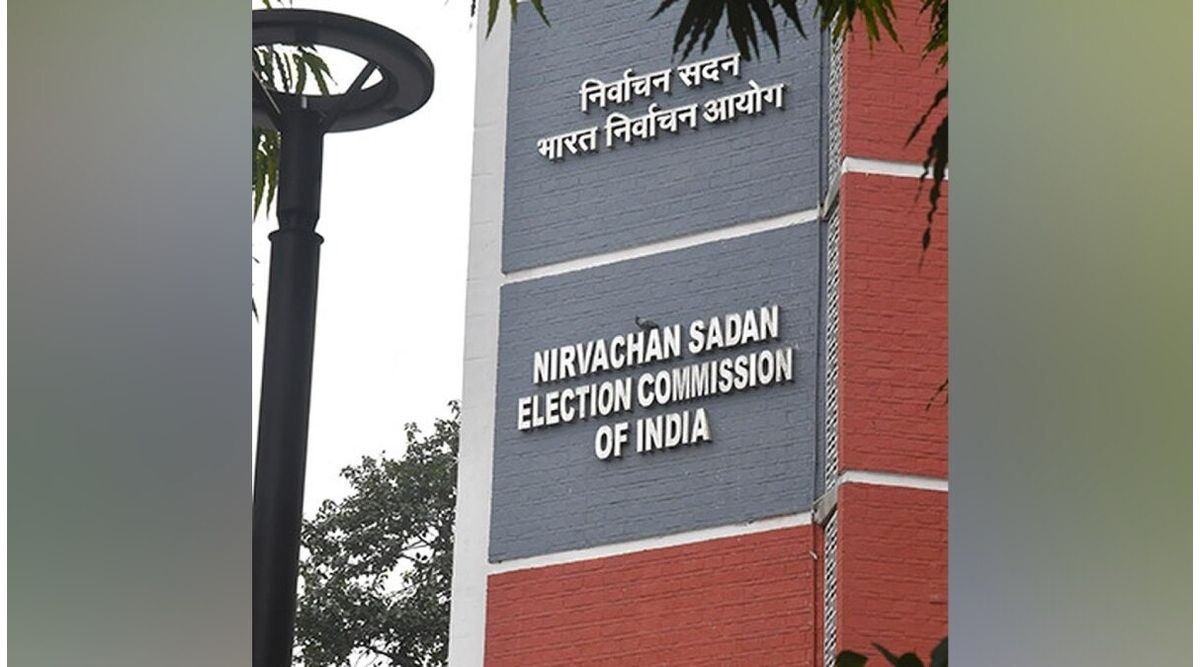
In the wake of the upcoming 2024 General and Assembly elections in Odisha, the Biju Janata Dal (BJD) has raised a clarion call for independent audits to ensure the integrity of the electoral process. This move comes amid mounting concerns over discrepancies in vote counts observed during previous elections. As we delve deeper into this issue, it becomes apparent that the introduction of periodic process audits could be a transformative step toward restoring public trust in the electoral system.
Why are process audits essential in electoral systems?
A process audit refers to a systematic examination of an organization’s processes to ensure compliance with established standards. In the context of elections, it involves an independent review of the entire electoral process—from voter registration to vote counting. The BJD’s proposal emphasizes that such audits are common in many democratic countries and can significantly enhance accountability. For instance, nations like Canada and Germany have successfully implemented similar auditing processes, resulting in heightened transparency and public confidence.
The Role of Citizen Participation
The BJD’s memorandum to the Election Commission of India (ECI) also underscores the importance of citizen involvement in the electoral process. By allowing citizen groups to co-monitor elections, the party believes that transparency can be vastly improved. This initiative would not only foster greater public engagement but also provide an additional layer of oversight. Imagine a scenario where local volunteers, trained and certified, actively participate in monitoring polling booths—this could be a game-changer in ensuring electoral fairness.
Addressing Discrepancies: A Call for Advanced Technologies
One of the critical concerns raised by the BJD is the unexplained variances in vote counts, often attributed to errors in Electronic Voting Machines (EVMs) or human errors during data entry. The party has proposed that all Voter Verifiable Paper Audit Trail (VVPAT) slips should be tallied with the corresponding EVM counts at every polling booth. Utilizing advanced counting machines can facilitate this process, ensuring that discrepancies are identified and addressed promptly. For example, in previous elections, significant variances were reported in constituencies like Dhenkanal and Kandhamal, with differences reaching thousands of votes. Implementing rigorous counting protocols could mitigate such issues moving forward.
The Importance of Transparency in Election Results
The BJD has suggested that results should only be declared after the completion of a satisfactory audit, a recommendation that aligns with best practices in electoral integrity. By ensuring that all discrepancies are resolved before announcing results, the credibility of the electoral process can be maintained. This step is crucial, especially in a politically charged environment where public trust is paramount. As a voter, knowing that your vote is accurately counted can significantly influence civic engagement and participation in future elections.
Conclusion: A Collective Responsibility
As we approach the 2024 elections, the call for independent audits and citizen participation in the electoral process cannot be overstated. The BJD’s proposals serve as a reminder that safeguarding democracy is a collective responsibility that requires transparency, accountability, and public engagement. By embracing these recommendations, we can foster an electoral environment that not only upholds the principles of fairness but also enhances the overall democratic experience in Odisha. It is time for all stakeholders—political parties, election officials, and citizens—to collaborate towards ensuring a fair electoral process that reflects the will of the people.