

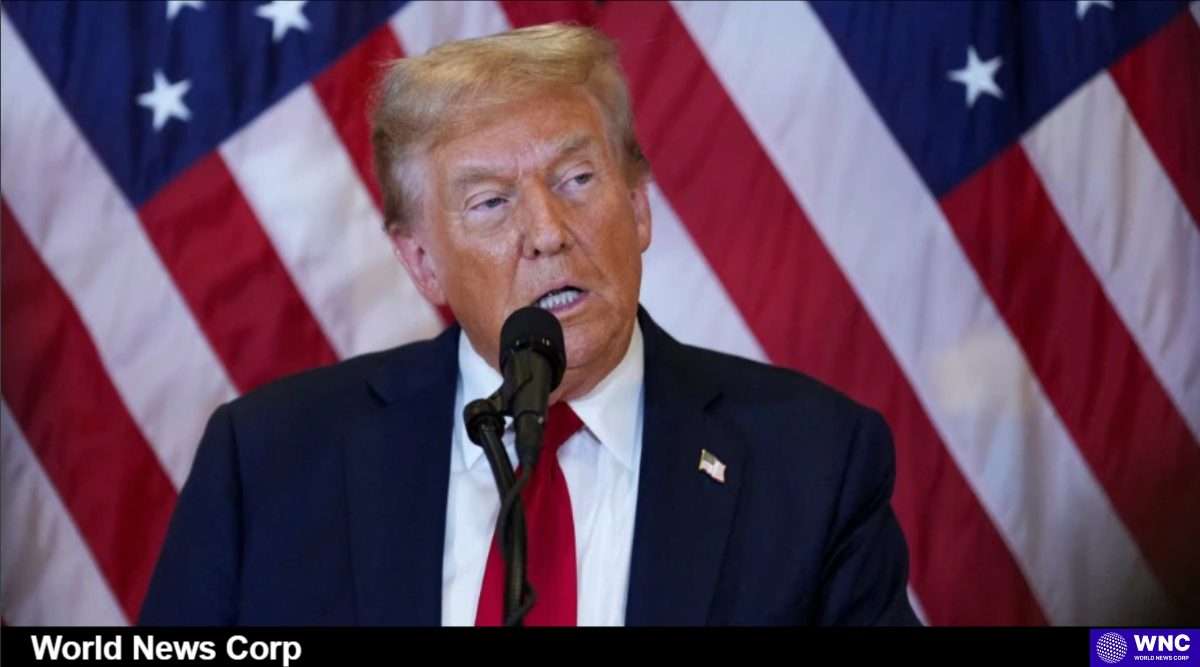
As the world market continues to grapple with the fallout from recent tariff implementations, it’s essential to delve into how these economic policies affect not just the United States but also global trading partners. President Donald Trump’s announcement of sweeping tariffs aimed at addressing trade deficits has stirred significant debate among economists, businesses, and consumers alike.
What Is the Rationale Behind Tariffs?
Trump’s administration justified these tariffs by citing a massive financial deficit with countries such as China and the European Union. By imposing a universal import duty, the administration hopes to bolster domestic industries and reduce trade imbalances. In his own words, Trump described tariffs as a ‘beautiful thing,’ asserting that they would eventually lead to greater financial stability for the U.S. However, the question remains: are tariffs truly the remedy for the economic ailments we face?
The Immediate Effects on Global Markets
Following the announcement, the global markets braced for turbulence. U.S. stock futures dropped significantly, indicating that investors were not entirely convinced of the positive impact of these tariffs. For instance, the S&P 500 E-minis and Dow E-minis experienced sharp declines, exacerbating concerns about a potential recession. This immediate market reaction highlights the interconnectedness of global economies; a shift in U.S. policy can reverberate across the world market.
Tariffs: A Double-Edged Sword?
Critics of the tariff approach argue that while the intent may be to protect American jobs, the reality could lead to increased consumer prices and potential job losses in industries dependent on imports. For example, the automobile industry could face higher production costs, which would inevitably be passed on to the consumer. Thus, while tariffs aim to correct trade deficits, they may also create a ripple effect that harms the very economy they seek to protect.
Counteractions from Global Partners
In response to the tariffs, countries like Canada, China, and the European Union have announced counter-tariffs, escalating tensions in international trade relations. This retaliation showcases how quickly relationships can deteriorate when economic policies are perceived as aggressive or unfair. The potential for a trade war looms large, and this could have dire consequences for global economic stability.
Long-Term Implications for the U.S. Economy
As we move forward, the long-term effects of these tariffs remain to be seen. The economic landscape is ever-changing, and the ultimate success of Trump’s tariff strategy will depend on various factors, including consumer confidence and the global response. The administration’s focus on reducing trade deficits may yield short-term benefits, but if consumer prices rise significantly, it could lead to decreased spending and a slowed economy.
Conclusion: A Complex Economic Puzzle
In conclusion, tariffs are a complex economic tool that can lead to both intended and unintended consequences. While they may address specific trade deficits, the broader impacts on the world market and consumer behavior cannot be overlooked. As we continue to monitor these developments, it’s crucial for both policymakers and consumers to stay informed and responsive to this evolving economic landscape.