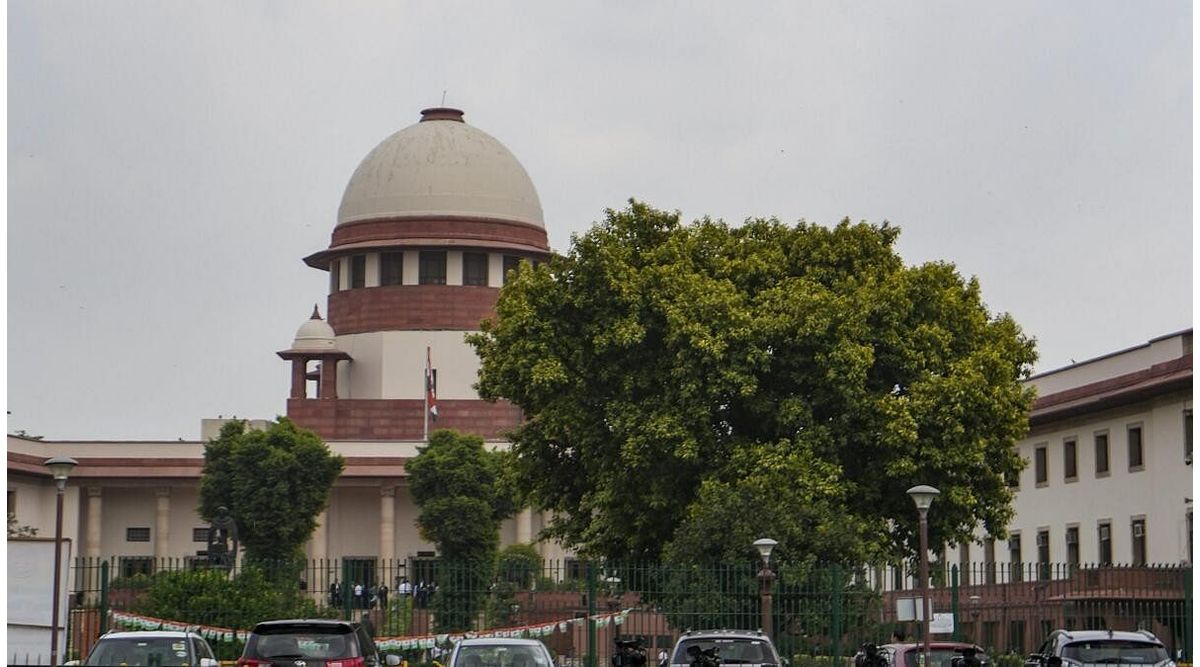
The legal landscape surrounding cheque dishonour cases, particularly in the context of insolvency, has recently undergone a significant transformation. The Supreme Court’s ruling in the case of Vishnoo Mittal versus M/S Shakti Trading Company serves as a pivotal point of reference for understanding how the law interprets the responsibilities of directors during insolvency proceedings. This decision clarifies that when a moratorium is declared under the Insolvency and Bankruptcy Code (IBC), ex-directors cannot be held liable for cheque dishonour if the cause of action arose post-moratorium.
What are the financial, legal, and economic implications when a moratorium is declared?
A moratorium effectively suspends the powers of the board of directors, transferring management to an Insolvency Resolution Professional (IRP). This means that actions taken by directors post-declaration of moratorium are no longer within their purview. For instance, in the Vishnoo Mittal case, the appellant director was suspended from his position as soon as the IRP was appointed. As a result, he couldn’t be held accountable for actions that he was not authorized to execute, primarily because all financial operations were under the IRP’s control.
The Timing of the Cause of Action
A critical point made by the Supreme Court is the timing of the cause of action. According to the court, the cause of action under Section 138 of the Negotiable Instruments Act does not arise at the moment a cheque is dishonoured, but rather when the amount remains unpaid after fifteen days from the demand notice. In this particular case, the demand notice was issued after the moratorium had been imposed. Therefore, the court ruled that the cheque dishonour proceedings could not continue against the appellant. This distinction is essential for both legal practitioners and corporate directors to understand, as it sets a precedent for future cases.
Legal Precedents and Their Implications
The Supreme Court also distinguished this case from previous rulings, such as P. Mohan Raj vs. M/S Shah Brothers Ispat Pvt. Ltd., where the cause of action arose before the moratorium was declared. The court’s decision highlights the nuances in legal interpretations surrounding cheque dishonour and insolvency cases. This differentiation is crucial; it emphasizes that each case should be evaluated based on its specific circumstances.
What Does This Mean for Directors?
For directors of companies facing insolvency, this ruling offers some level of relief. They can no longer be held liable for actions taken after they have been suspended from their positions. However, it also raises questions about how directors can protect themselves from potential liabilities that may arise during the insolvency process. Directors should be proactive in ensuring that they are informed about their roles and responsibilities during such proceedings. Consulting with legal professionals who specialize in corporate law is advisable.
Conclusion
As the legal framework surrounding insolvency evolves, it is crucial for directors and stakeholders to remain informed about their rights and responsibilities. The Supreme Court’s ruling in the Vishnoo Mittal case serves as a reminder of the complexities involved in cheque dishonour cases during insolvency. By understanding these legal nuances, directors can take informed actions that not only protect their interests but also contribute to the smoother resolution of insolvency issues.