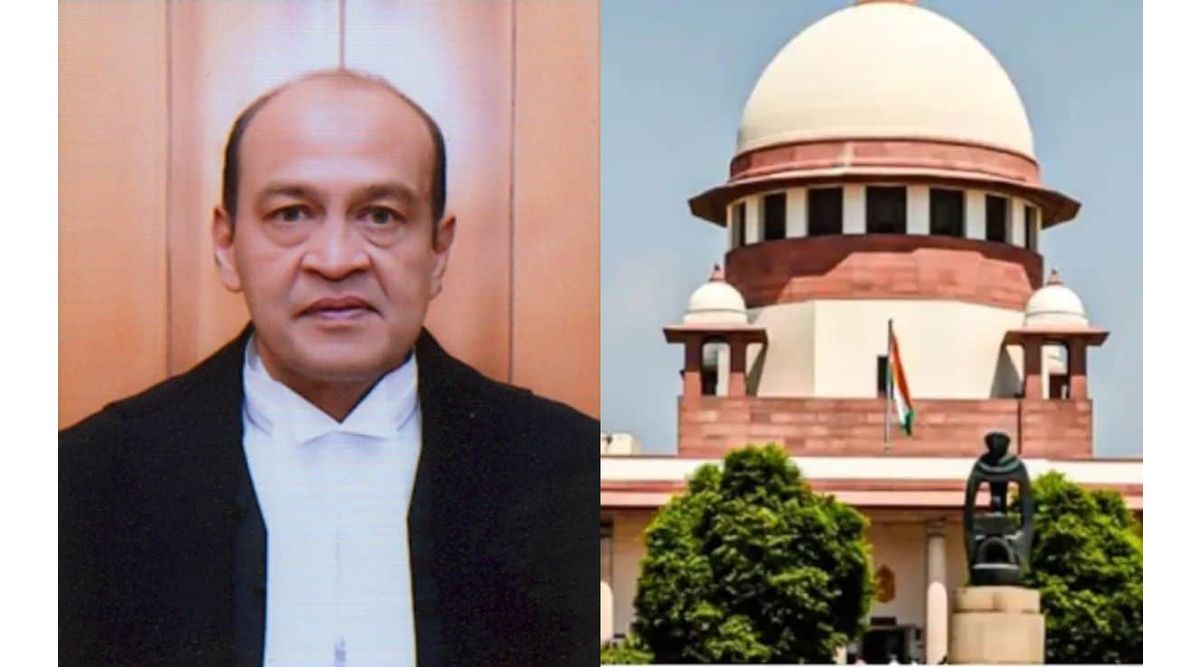
As I sit down to write about the Supreme Court of India, I can't help but reflect on its pivotal role in shaping the country's legal landscape. Recently, the court has been in the spotlight for several high-profile cases that resonate with the public's sentiments. One case that caught my attention was related to the Right to Privacy, which has far-reaching implications for data protection laws in India.
The Supreme Court's decision in this matter underscores its commitment to safeguarding citizens' rights in an increasingly digital world. Just last month, they ruled that the government must ensure stricter regulations on data collection and retention by private companies. This ruling is significant, especially as we see rapid advancements in technology and concerns about personal data misuse.
Moreover, the court has also been addressing issues like women's rights and environmental concerns, which are critical in today's context. For instance, the recent judgment advocating for women's entry into certain religious places has sparked widespread discussions about gender equality and religious freedom. I found it inspiring how the court is not just interpreting laws but also considering societal changes and public opinion while delivering its verdicts.
In addition, the Supreme Court's stance on environmental regulations has been quite proactive, emphasizing the importance of sustainable development in the face of climate change. As citizens, it's reassuring to know that we have a judiciary that is not only reactive but also anticipatory in addressing the pressing challenges of our time.
As we move forward, I believe the Supreme Court will continue to be a vital institution in maintaining the balance of justice in India, navigating through the complexities of modern governance and societal expectations.