

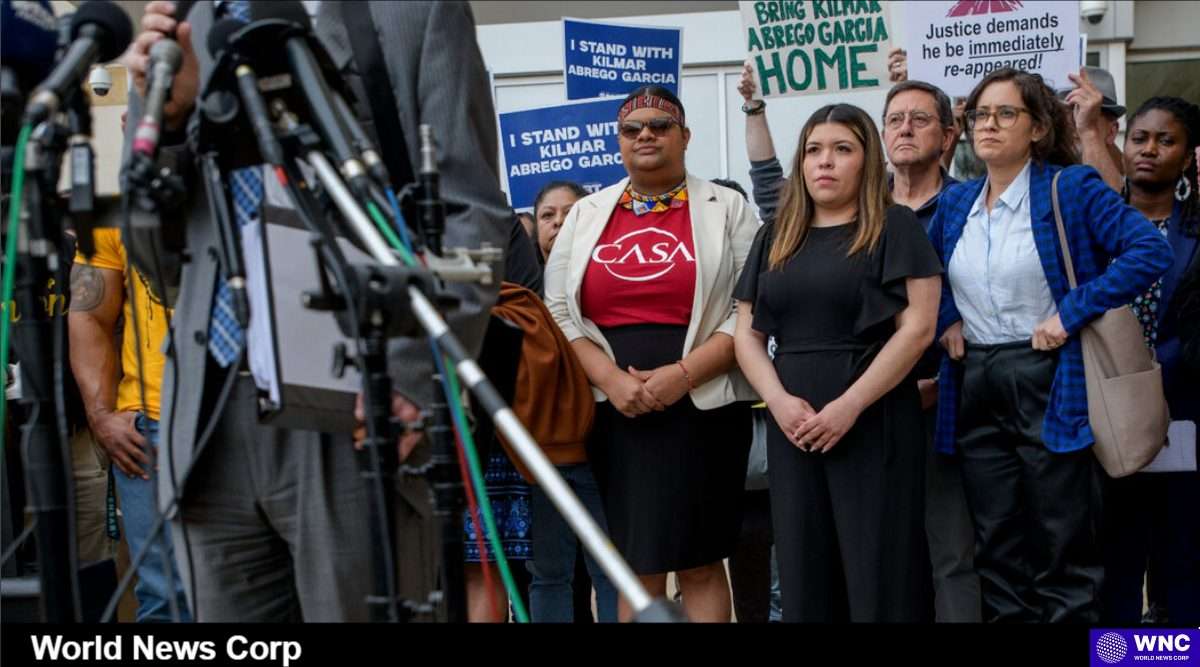
In a landmark decision, the U.S. Supreme Court has instructed the Trump administration to take action regarding the case of Kilmar Armando Abrego Garcia, a Maryland man who was erroneously deported to a notorious prison in El Salvador. This ruling not only highlights the complexities of immigration law but also underlines the balance of power between the judiciary and the executive branch concerning foreign affairs.
What Is the Current Situation?
Kilmar Abrego Garcia, now 29, entered the United States illegally as a teenager and was later granted protection from deportation due to potential persecution from gangs in his home country. However, in March 2023, he was deported under questionable circumstances, which the Trump administration later admitted was due to an “administrative error.” This has raised serious questions about the processes involved in deportation and the treatment of migrants.
Garcia was sent to the Cecot prison, infamous for housing gang members and associated with harsh conditions. His wife, Jennifer Vasquez Sura, has been vocal about the emotional toll this ordeal has taken on their family. She stated, “This continues to be an emotional roller coaster for my children, Kilmar’s mother, his brother and siblings. I will continue fighting until my husband is home.”
The Supreme Court’s Decision Explained
On Thursday, the Supreme Court ruled unanimously to uphold a lower court’s order that requires the government to “facilitate” Garcia’s release from custody in El Salvador. However, the ruling did not mandate that the government must return him, indicating the complexities involved in executive authority over foreign relations. The court noted that the extent of the order’s terms, particularly the word “effectuate,” may have exceeded the district court’s authority.
This ruling illustrates the intricate balance of power between the courts and the executive branch. U.S. Solicitor General D. John Sauer argued that only the president has the authority to conduct foreign diplomacy, which is a key point in this ongoing debate. The Supreme Court’s request for clarification from the district court suggests that the legal ramifications of this case are far from over.
The Larger Implications of This Case
The implications of this ruling extend beyond Garcia’s individual case. It raises critical questions about the rights of migrants, the responsibilities of the U.S. government in handling deportations, and the limits of judicial authority. As noted by legal analysts, this case is a pivotal moment for immigration law and the treatment of those who find themselves entangled in the complex web of U.S. immigration policy.
In recent years, many have criticized the U.S. immigration system as flawed and in need of reform. This case serves as a reminder that the stakes are incredibly high for individuals involved. The emotional and psychological impacts on families, like that of Garcia’s, are profound and often overlooked in broader discussions about policy and law.
What Comes Next for Garcia and His Family?
As the case returns to the trial court, the future for Kilmar Abrego Garcia remains uncertain. His attorney Simon Sandoval-Moshenberg expressed relief that the Supreme Court recognized the necessity of the law in this situation, stating, “The rule of law prevailed. The Supreme Court upheld the district judge’s order that the government has to bring Kilmar home.”
However, the lack of a definitive timeline for his return leaves many questions unanswered. Garcia’s case is emblematic of the struggles faced by many migrants and the challenges inherent in navigating a system fraught with errors and miscommunication. As the legal proceedings continue, all eyes will be on the administration’s next steps and the ultimate resolution of this complex case.