
In a significant moment for NASA and the global space community, veteran astronauts Sunita Williams and Butch Wilmore are finally set to return to Earth after a lengthy nine-month mission aboard the International Space Station (ISS). Their journey back, originally anticipated to last only eight days, transformed into an extended stay due to unforeseen technical challenges with Boeing’s Starliner spacecraft. This unexpected extension has sparked conversations not just about space travel, but also about the political implications surrounding their return.
What were the main technical issues with Boeing’s Starliner?
The situation began when Williams and Wilmore flew to the ISS in June aboard a Starliner capsule that faced numerous technical issues, rendering it unsafe for crewed missions. As a result, their homecoming was postponed multiple times, leading to a series of public discussions involving key political figures, including former President Donald Trump and SpaceX CEO Elon Musk. Their statements suggested that the astronauts’ extended stay was politically motivated, further complicating an already tense situation. This has left many in the space community questioning the intersection of politics and space exploration.
The Crew-10 Mission: A New Rotation
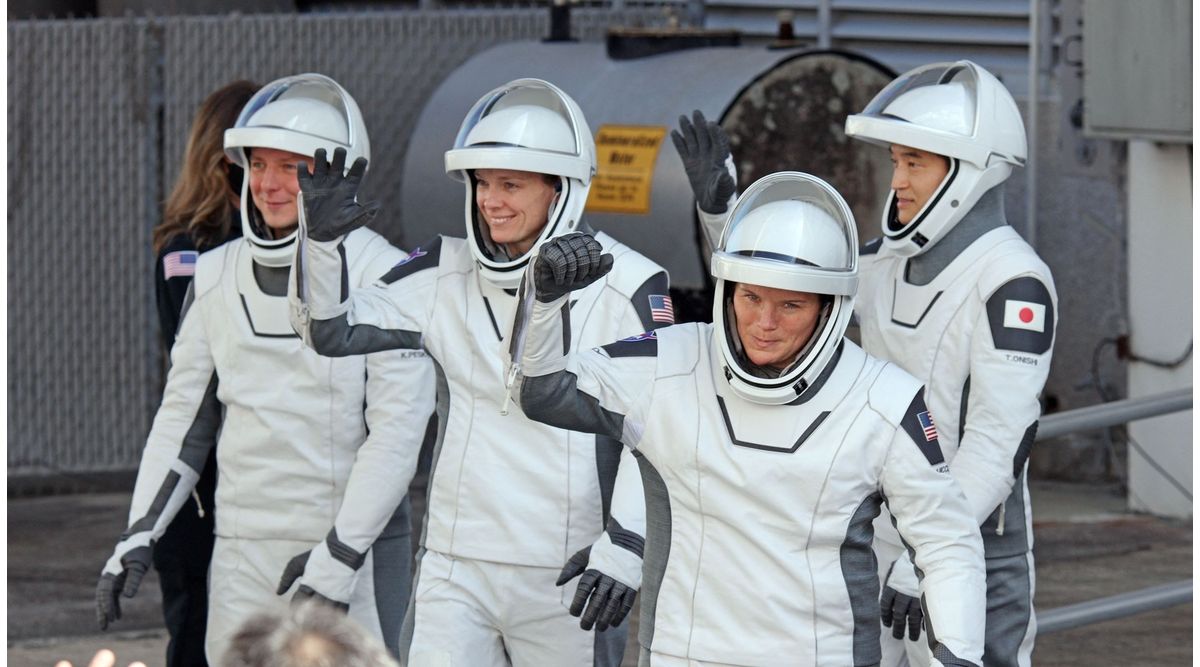
Fortunately, the arrival of Crew-10 provides a pathway for Williams and Wilmore to finally return. Launched aboard a SpaceX Falcon 9 rocket, the Crew-10 mission signifies a routine crew rotation, yet it holds extra importance due to the circumstances surrounding the returning astronauts. The new crew, comprising NASA astronauts Anne McClain and Nichole Ayers, along with Japanese astronaut Takuya Onishi and Russian cosmonaut Kirill Peskov, will spend six months on the ISS, conducting various research projects and ensuring a seamless handover of responsibilities.
The Emotional Toll on Astronauts and Their Families
While their extended stay has been a remarkable feat of resilience, it has also taken an emotional toll on both astronauts and their families. Williams expressed her eagerness to reunite with her beloved Labrador retrievers, highlighting the personal sacrifices made during extended missions. She stated, “The hardest part about the unexpected extended stay was the wait by their families back home.” Wilmore echoed similar sentiments, indicating that their families felt the rollercoaster of emotions more acutely than they did.
What’s Next for Space Exploration?
Looking ahead, the return of Williams and Wilmore marks not only a personal victory for the two astronauts but also raises questions about the future of human spaceflight. As we delve deeper into the realm of space exploration, it’s essential to recognize the importance of reliable transportation systems for astronauts. Williams emphasized the ongoing scientific research at the ISS, stating, “This place is ticking. It’s just really amazing, so I would say we’re actually in our prime right now.”
As NASA continues to develop new technologies and improve space travel logistics, the lessons learned from this mission will undoubtedly shape future endeavors. The return of Williams and Wilmore is not just a conclusion to a challenging chapter; it’s a stepping stone toward a more robust and reliable future for human space exploration.