

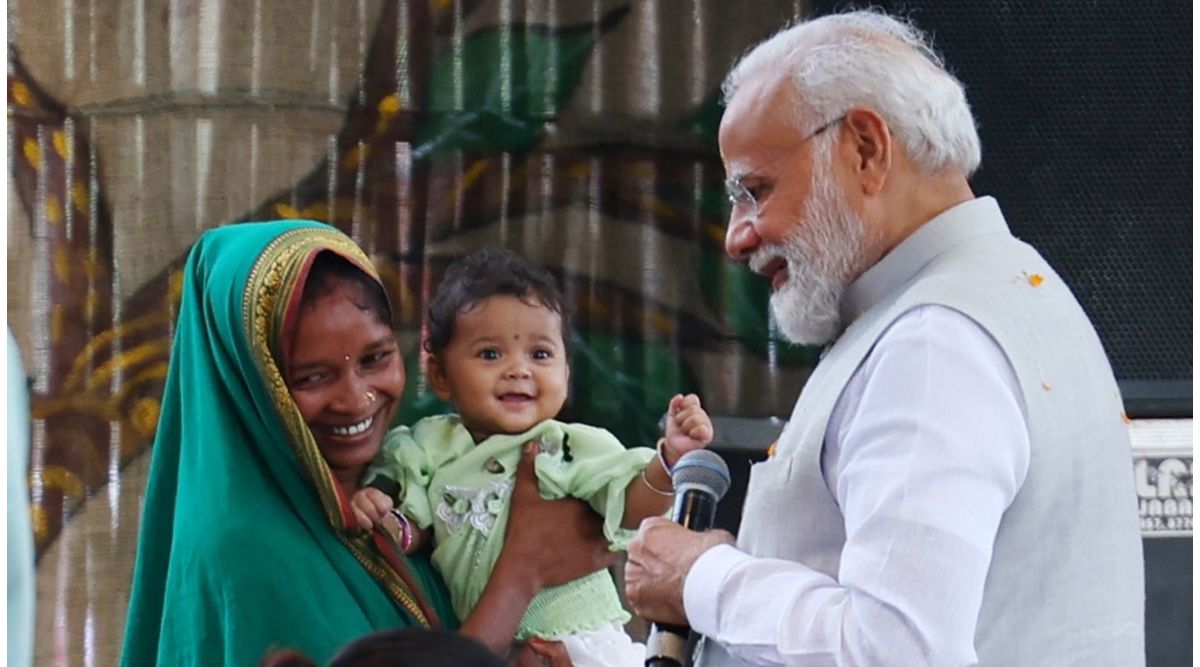
International Women’s Day, celebrated on March 8, serves as an important reminder of the strides women have made and the challenges they continue to face. The day has its roots in the labor movements of the early 20th century, where women stood up against unjust working conditions and fought for the right to vote. It is not just a day of celebration but a historical marker of the ongoing struggle for women’s rights.
What historical events led to Women’s Day?
Women’s Day traces its origins back to the Industrial Revolution. Workers, particularly in the garment industry, faced dire conditions: long hours, poor wages, and unsafe environments. The American garment workers’ strikes, notably the New York Shirtwaist Strike of 1909, were pivotal moments in this ongoing fight. Clara Lemlich’s rallying cry for a general strike highlighted the urgent need for change and galvanized women across the nation.
Women From Rights to Representation
Fast forward to modern India, where the landscape of women’s rights and representation has undergone significant transformation. Women are not just passive participants; they are leading change. The government has introduced numerous initiatives aimed at empowering women, such as the Beti Bachao Beti Padhao scheme, which promotes girls’ education and addresses gender imbalances. India has witnessed a remarkable increase in women’s participation in politics, with women occupying key leadership roles including that of the President and Chief Ministers.
The Shift to Women-Led Development
The concept of women-led development has shifted the narrative from merely including women in development projects to positioning them as leaders and decision-makers. The Modi government has committed to ensuring that women are not only beneficiaries of economic programs but are also at the forefront of driving these initiatives. For instance, the introduction of the Women’s Reservation Bill, which allocates 33% of seats in the Lok Sabha and state assemblies to women, marks a significant step toward achieving gender parity in politics.
Celebrating Progress While Acknowledging Challenges
While we celebrate these achievements, it’s essential to acknowledge the challenges that still exist. Women often face societal pressures, violence, and discrimination that can hinder their progress. For instance, despite the legal frameworks in place, issues like gender-based violence and disparities in education access persist. As we move forward, it’s crucial to foster an environment that encourages female leadership and addresses these systemic challenges.
Conclusion: The Path Ahead
As we reflect on International Women’s Day, let’s not only celebrate the progress made but also commit to fostering an environment where women can thrive as leaders in all spheres of life. Empowering women is not just a policy goal but a societal necessity. When women succeed, society as a whole flourishes. Let’s continue to advocate for equal rights, representation, and opportunities for women across India, ensuring they lead the charge towards a more equitable future.