

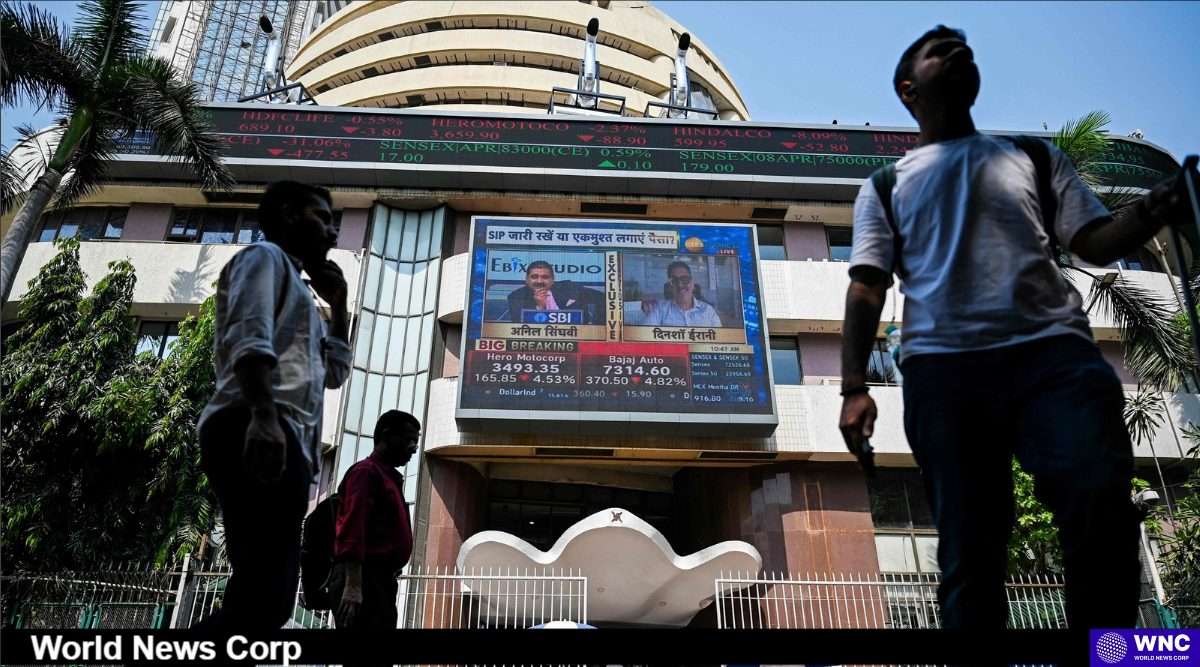
The stock market is a dynamic entity that influences the global economy. In India, stock market holidays are significant events that every investor should keep an eye on. Recently, the Indian stock market was closed on April 14, 2025, in observance of Ambedkar Jayanti, which honors the birth anniversary of Dr. Bhimrao Ambedkar, a crucial figure in Indian history and the chief architect of the Indian Constitution. This closure not only provides a brief pause in trading but also signifies the importance of recognizing cultural and national events within the financial landscape.
How do market closures affect trading strategy performance and decision-making?
Market closures can significantly affect trading strategies. For example, when the market is closed, no trades can occur, which can lead to pent-up demand when trading resumes. This was evident after the market closure on April 14, as traders returned on April 15, eager to react to any news that may have emerged during the holiday. Investors may find themselves adjusting their portfolios or strategies based on the latest economic reports, global events, or changes in market sentiment. Understanding the timing of these closures can help investors make informed decisions about when to buy or sell.
Upcoming Holidays: What Investors Need to Know
As per the stock market holiday calendar for 2025, several key holidays are approaching, including Good Friday on April 18, Maharashtra Day on May 1, and Independence Day on August 15. Each of these holidays represents a pause not just in trading but also in the fast-paced world of investment. For instance, a holiday like Good Friday can lead to fluctuations in market sentiment, especially if significant news breaks on that day. Investors need to be aware of these holidays as they plan their trading activities, ensuring that they do not miss critical opportunities.
Planning Ahead: Utilizing Trading Holidays
Investors can leverage stock market holidays to their advantage. These breaks in trading provide a moment for reflection and strategic planning. For example, one can use this time to analyze their investment strategy, review performance metrics, or even conduct a market analysis for upcoming trends. Moreover, the half-day holiday for the commodity market on April 14 allows traders in commodities like gold and silver to prepare for the evening session, enhancing their trading strategies.
The Bigger Picture: Cultural Significance of Holidays
Holidays like Ambedkar Jayanti are about more than just market closures; they remind us of the rich cultural heritage that shapes our economic landscape. Understanding the significance of these holidays adds an extra layer of depth to the trading experience. It emphasizes the connection between financial activities and the socio-political environment in which they occur. As investors, recognizing these cultural elements can lead to more thoughtful and engaged trading practices.
Conclusion: Staying Informed and Prepared
In conclusion, staying informed about stock market holidays is crucial for every investor. These closures not only affect trading schedules but also present opportunities for strategic planning and reflection. By understanding the implications of these holidays, investors can make more informed decisions, ultimately leading to better investment outcomes. Remember, knowledge is power in the world of investing, and being aware of the market calendar is a step towards financial literacy and success.