
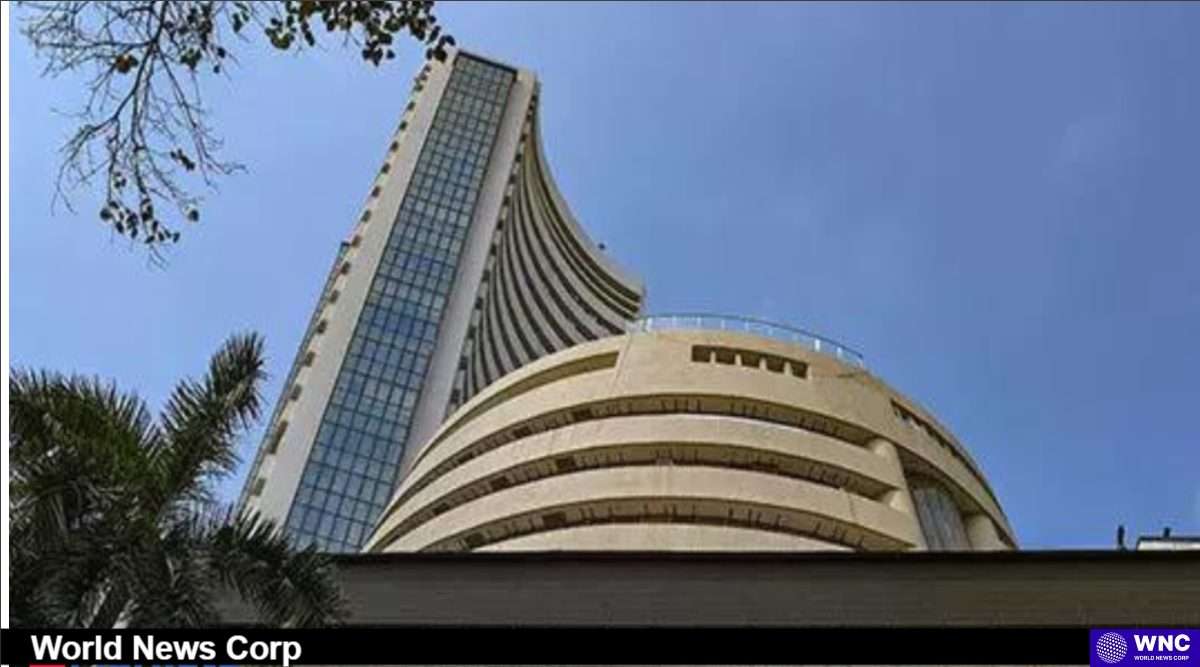
In recent weeks, the BSE Sensex has been a focal point for investors as it fluctuates amidst a backdrop of geopolitical tensions. As of Wednesday morning, the Sensex was recorded at 80,387.58, reflecting a decline of 0.31%. This dip comes on the heels of India’s Operation Sindoor, where the Indian Army targeted terrorist facilities across the border. Investors are left questioning how such events might influence the stock market in the long term.
How do geopolitical events affect market stability?
Geopolitical events can have immediate and profound effects on equity indices. The recent military actions by India have led to a cautious approach among investors, reminiscent of similar market reactions during previous conflicts. VK Vijayakumar, Chief Investment Strategist at Geojit Investments, noted that the market had already discounted the potential for retaliatory action. This suggests a level of resilience in the market, driven by sustained Foreign Institutional Investor (FII) buying, which reached approximately Rs 43,940 crores over the past two weeks.
A Shift Towards Large Caps
Interestingly, the recent trend has seen a shift in investor focus from mid and small-cap stocks to large-cap equities. Companies like Tata Motors have experienced a surge in share prices after announcing a strategic split into two separate entities for passenger and commercial vehicles. In contrast, several major Sensex constituents, including HCL Tech and Nestle India, have faced declines, underscoring the volatility within the market.
The Role of Foreign Institutional Investment
The ongoing FII investments are crucial in maintaining market stability. With global factors such as a weakening dollar and slower economic growth in major economies like the U.S. and China, India is seen as a potential outperformer. However, with geopolitical risks still looming, investors remain on edge, closely monitoring the situation. Ajay Bagga, a banking and market expert, emphasized that the future trajectory of the market will depend heavily on how the current tensions evolve.
What Lies Ahead for Investors?
As we look to the future, it’s clear that the market’s response to geopolitical events is complex. While the immediate reactions may be negative, the underlying fundamentals, coupled with strong institutional support, suggest a potential for recovery. Investors should remain vigilant, assessing both local and global economic indicators, including upcoming decisions from the U.S. Federal Reserve. This will likely influence market directions and investor sentiment in the coming weeks.
Conclusion: Staying Informed and Strategic
For those navigating the Indian equity markets, staying informed is key. The interplay between geopolitical tensions and market performance underscores the importance of strategic investment decisions. It’s essential for investors to analyze their portfolios, focusing on resilient large caps while being cautious of overvalued segments. As always, a diversified approach may help mitigate risks associated with sudden market fluctuations.