

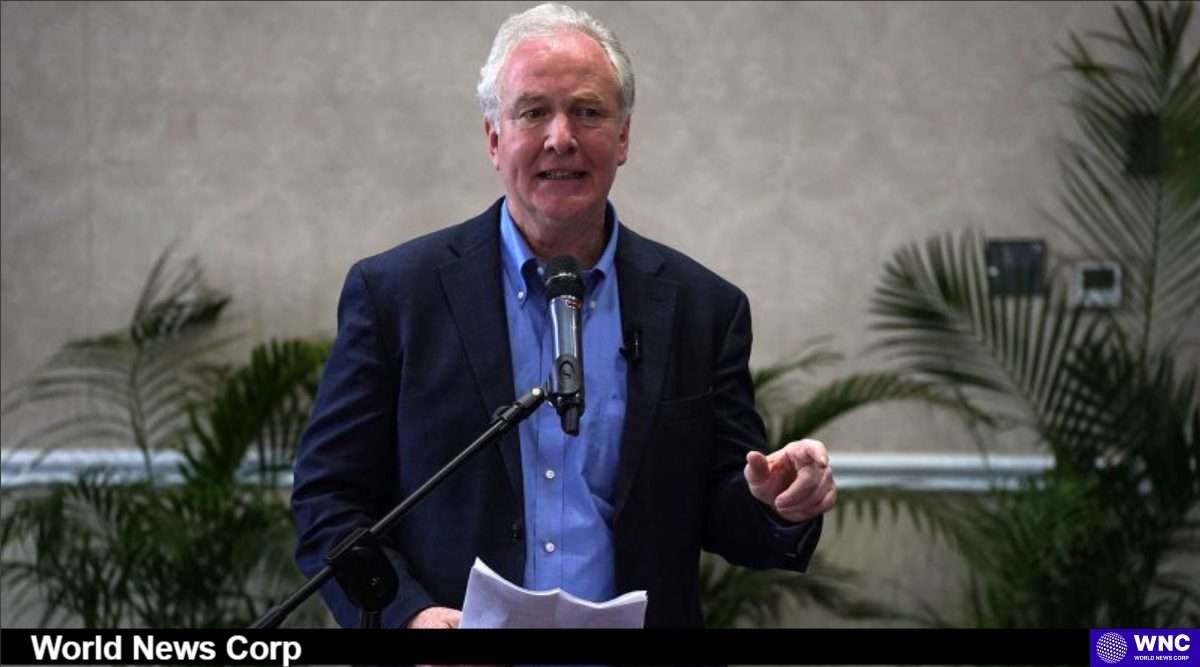
In recent news, Maryland Senator Chris Van Hollen’s visit to El Salvador has sparked significant discussions regarding the complexities surrounding deportation and the treatment of individuals in custody. Van Hollen’s primary objective was to meet Kilmar Abrego Garcia, a Maryland resident who was wrongfully deported to El Salvador. This case has become a crucial focal point in the ongoing debates about immigration policy and the actions of the Trump administration.
What was the significance of the meeting with Kilmar Abrego Garcia, and how did it influence the events that followed?
On a Thursday evening, Van Hollen finally had the opportunity to meet with Garcia after facing multiple obstacles. His trip to meet Garcia was initially met with resistance from Salvadoran authorities, who denied him entry to the maximum-security prison known as CECOT. However, the meeting eventually took place, allowing the senator to reassure Garcia’s family that he was alive and well. Van Hollen shared, “I have called his wife, Jennifer, to pass along his message of love.” This sentiment emphasizes the emotional toll that deportation cases can have on families.
The Legal and Political Implications
Garcia’s deportation has raised questions about due process and the integrity of the U.S. judicial system. A federal appeals court recently backed Judge Harvie Wilkinson’s ruling that criticized the Trump administration for its handling of Garcia’s case. The court noted that Garcia had not been charged with any crime in El Salvador and highlighted the violations of international law regarding his communication with legal counsel. Van Hollen has been vocal about these issues, stating, “Denying Abrego Garcia access to his lawyers is a violation of international law.”
Public Reaction and Community Support
The community’s support for Garcia and his family has been evident. Jennifer Vasquez Sura, Garcia’s wife, expressed her relief and gratitude after Van Hollen’s meeting. Her statement reflected the collective prayers and efforts of the community, indicating the widespread concern for Garcia’s well-being. This case serves as a reminder of the human aspect behind immigration policies, where individuals become symbols in a larger political debate.
The Broader Context of U.S.-El Salvador Relations
Van Hollen’s visit also comes at a time when U.S.-El Salvador relations are under scrutiny. The Salvadoran President, Nayib Bukele, has made controversial statements regarding Garcia’s treatment in custody, even mocking the criticisms leveled against the country. This political backdrop complicates the narrative, as the actions of both the U.S. and Salvadoran governments influence public perception and policy.
Looking Ahead: The Future of Deportation Policies
As discussions continue, it is vital to consider the broader implications of deportation and the policies that govern it. Van Hollen’s efforts highlight the need for reform in the immigration system to ensure fair treatment for all individuals, regardless of their legal status. The ongoing saga of Kilmar Abrego Garcia serves as a case study for lawmakers and advocates alike, reminding us of the importance of due process and humane treatment in the face of complex legal battles.
In the end, while the political landscape remains contentious, the human stories behind these policies must not be overlooked. As we reflect on Garcia’s case, it becomes clear that the fight for justice extends beyond borders and requires collective action from communities and lawmakers alike.