

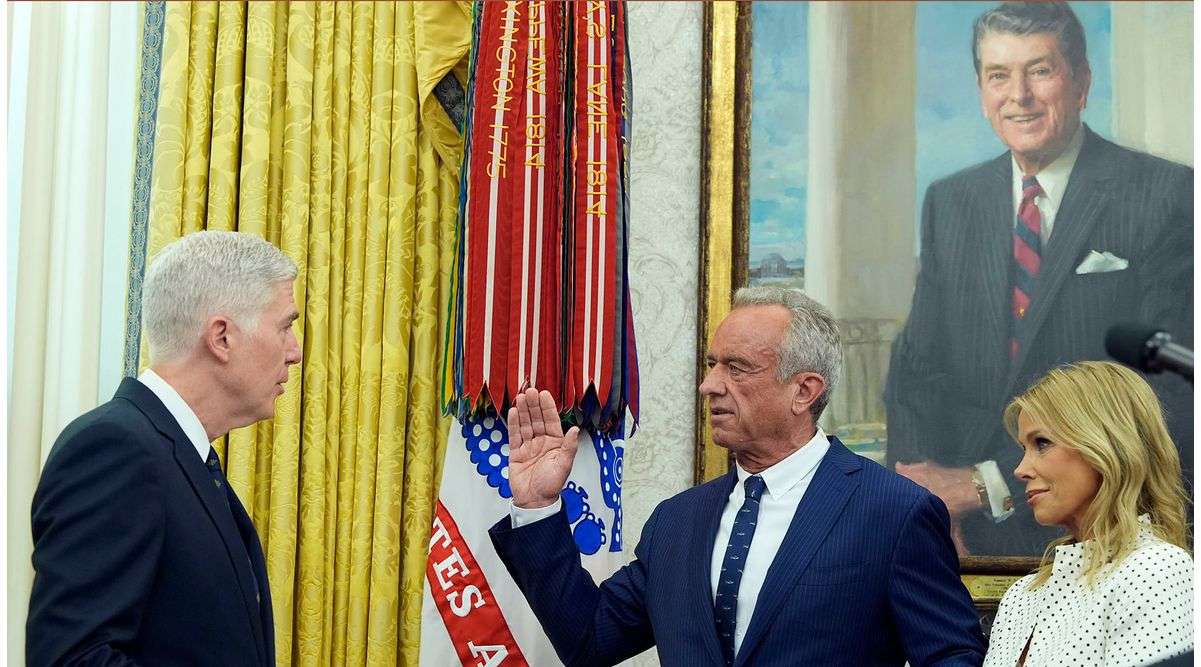
Robert F. Kennedy Jr., recently confirmed as the Secretary of Health and Human Services under President Donald Trump, has sparked significant debate with his critical views on selective serotonin reuptake inhibitors (SSRIs), a widely prescribed class of antidepressants. Kennedy contends that SSRIs may pose substantial risks to public health, a position that has drawn both support and criticism.
SSRIs: A Double-Edged Sword
SSRIs, which include well-known medications like Prozac and Zoloft, are prescribed to over 13% of American adults to treat depression and anxiety. While these medications have been shown to significantly reduce the risk of suicide and improve overall mental health, Kennedy’s assertion that they may contribute to addiction parallels his long-standing skepticism about vaccines. His claims raise eyebrows, especially considering the wealth of scientific evidence supporting the safety and efficacy of SSRIs.
During his confirmation hearing, Kennedy linked SSRIs to a variety of societal issues, including school shootings, claiming that those who take these medications could be more likely to commit violent acts. This assertion was met with substantial backlash, as many experts pointed out that the majority of school shooters were not taking these drugs. The potential consequences of spreading such misinformation can be severe; it reinforces stigma against mental health treatment and discourages individuals from seeking help they may desperately need.
What’ the Science Behind SSRIs ?
It’s essential to ground this debate in the science. SSRIs can lead to withdrawal symptoms in some individuals, particularly if discontinued abruptly. However, the vast majority of users do not experience severe addiction-like symptoms. Experts like Keith Humphreys from Stanford University have pointed out that while some people may have difficulty tapering off SSRIs, the experience is vastly different from that of opioid addiction.
Heroin withdrawal, for instance, is characterized by intense physical symptoms and a high likelihood of relapse. In contrast, while stopping SSRIs can lead to mild flu-like symptoms for some, the severity of these symptoms is generally nowhere near that of opioid withdrawal.
Why Does Stigma Still Exist?
Senator Tina Smith’s comments during Kennedy’s confirmation hearings highlight the critical risks of perpetuating stigma around mental health treatment. She emphasized how Kennedy’s statements might deter people from seeking help, which could exacerbate the very issues he claims to address. As someone who has battled depression, I can relate to the struggles faced by many who rely on these medications. It’s vital that our leaders use their platforms to promote understanding and compassion rather than fear and misinformation.
Conclusion: A Path Forward
As Kennedy embarks on his tenure, his approach to mental health will be closely scrutinized. The balance between addressing legitimate concerns about medication and promoting a narrative that could lead to increased stigma is delicate. It is crucial for public health officials to remain grounded in scientific evidence and prioritize the well-being of those struggling with mental health issues. The conversation around SSRIs should focus on informed choice and access to care, rather than fear-mongering tactics that do more harm than good.