

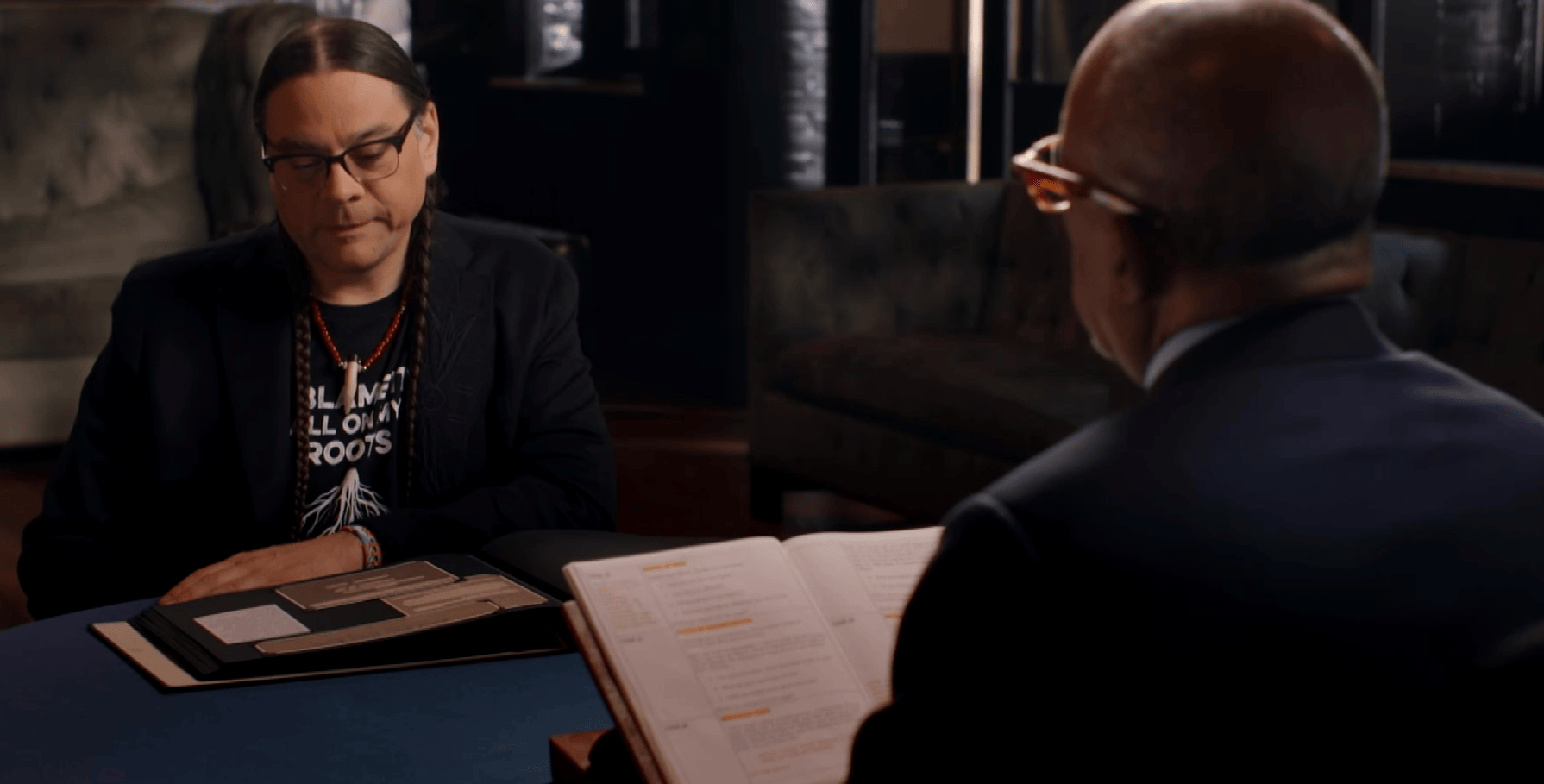
In the latest episode of PBS’s acclaimed series, “Finding Your Roots,” host Henry Louis Gates Jr. delves into the rich ancestry of two culinary titans: José Andrés and Sean Sherman. As viewers tune in to discover the intertwining threads of their family histories, they are treated to a profound exploration of not only their ethnic backgrounds but also the cultural legacies that influence their culinary artistry.
The Journey of Taste
José Andrés is one of the most celebrated chefs who have revolutionized Spanish cuisine, and he is also a humanitarian. His culinary journey began from a small kitchen in Catalonia, Spain. His journey from a young boy who watched his mother create magic from simple ingredients to a global influence in the culinary world is one of the ways food is a medium of storytelling. “Food is not just nourishment; it’s a celebration of heritage and history,” Andrés says, making sure that every dish has a story to tell. Meanwhile, the Sioux Chef, Sean Sherman, shines light on the unsung traditions of Native American food. Growing up on the Pine Ridge Reservation meant Sherman did not have access to traditional foods while growing up. His passion, however, helped him rediscover and revitalize indigenous cooking. “Be the answer to your ancestors’ prayers” is his guiding principle: he seeks honor through food by staying true to his roots.
Discovering Hidden Ancestries
The program reveals both chefs’ forgotten pasts as Gates uses genetic technology and DNA analysis to connect them with relatives from whom they have been separated. For Andrés, understanding the story of his great-great-grandmother Oracia who was abandoned then later adopted in life adds an extra dimension to the strength and character of his family history. She survived a terrible ordeal then thrived into becoming a bread maker. So is the gastronomic journey Andrés is undergoing today.
Similarly, Sherman finds out that his great-great-grandfather Thomas Shepherd was actually a Buffalo Soldier who married into the Lakota tribe. This complex history, of serving in the U.S. Army at the same time as embracing Native identity, further propels the intricate relationships between cultures and the struggles with being in America during an era of such great change.
The Power of Food as a Connector
The commonality of experiences of these chefs brings out one thing: the power of food to unite.
Both Andrés and Sherman are using their profiles in celebrations of their culinary heritage but also as a means of discussing larger issues in society, such as hunger and food justice. What Andrés does with World Central Kitchen emphasizes his humanitarian inclinations. Sherman, on the other hand, educates people about indigenous foods. The chefs demonstrate how cooking can serve as a means of resilience and empowerment. ### Lessons from the Past The episode reminds viewers of the importance of getting to know where they come from. As Gates takes Andrés and Sherman on a journey to their ancestral tales, the two chefs come to terms with the identity that their triumphs and tragedies have constructed. “We all have stories that connect us to the past, and it’s these stories that inspire our future,” states Gates, reminding us of heritage as the epitome of shaping who we are today.
Conclusion: A Legacy of the Kitchen
This episode sums up the fact that a journey of discovery can be as enriching in itself, as the dishes produced out of family cookbooks.
Whether it is Andrés’s croquetas, inspired by his mother’s thrifty preparations or retooling traditional Lakota dishes by Sherman, both chefs are the epitome of resilience and creativity shaped from an intimate connection to ancestral root. The.
Viewers are motivated to explore their own family history and the cuisine that has nurtured generations over time.