

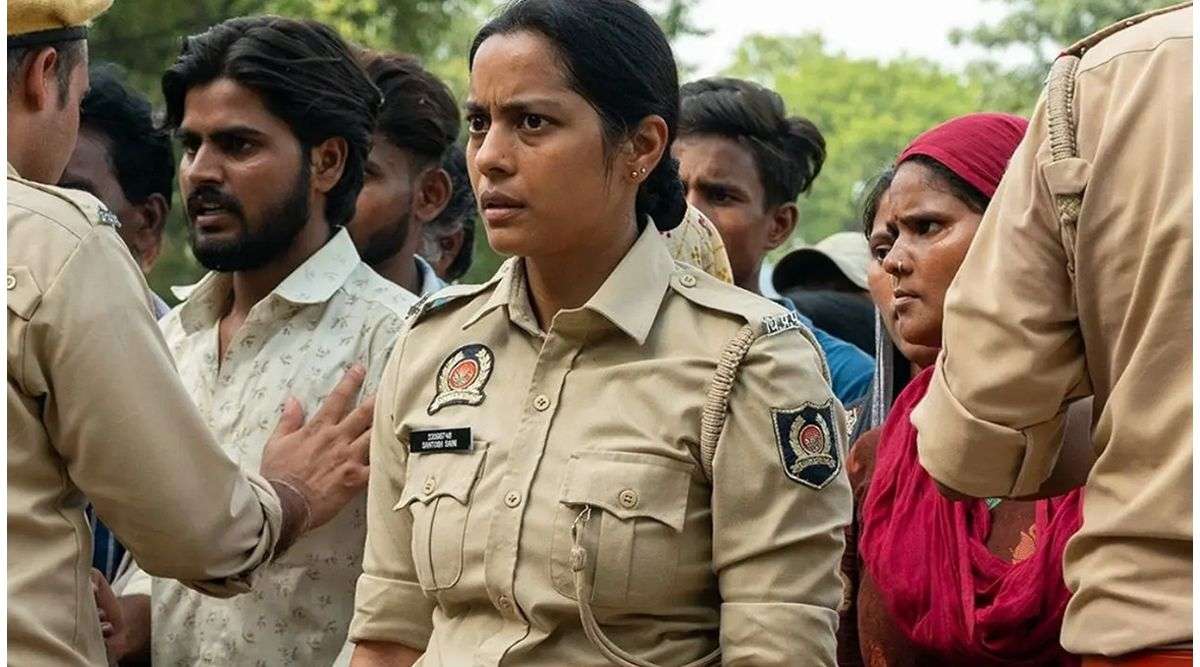
The recent decision by India’s Central Board of Film Certification (CBFC) to block the release of the award-winning film ‘Santosh’ speaks volumes about the current state of artistic expression in the country. Directed by the talented Sandhya Suri, this gripping drama tackles the harsh realities of police violence, misogyny, and caste discrimination in a fictional North Indian town. It’s a film that has garnered international acclaim, yet it remains unseen by domestic audiences due to the censors’ stringent demands for extensive cuts.
How Does Film Mirror Reality?
‘Santosh’ tells the poignant story of a young widow, portrayed by the brilliant Shahana Goswami, who joins the police force and is thrust into the investigation of a young Dalit girl’s murder. The film shines a light on the often murky waters of the police system, exposing the deep-seated misogyny and discrimination that plague Indian society. It’s a story that resonates on many levels and addresses issues that many might prefer to ignore, making it all the more powerful. Critics have heralded it as a phenomenal achievement, and it even represented the UK in the Oscars’ international feature category.
The Censorship Conundrum
Despite its accolades, the film faces an uphill battle for release in India. The CBFC’s refusal stems from its portrayal of sensitive themes, particularly the depiction of police conduct. Suri has expressed her disappointment, labeling the censorship decision as “heartbreaking.” She emphasized that the list of cuts requested by the censors was not only extensive but would also alter the very essence of the film. This raises pressing questions about the role of censorship in a democracy and whether it stifles important societal dialogues about injustice and brutality.
A Reflection of Cultural Climate
The situation surrounding ‘Santosh’ is indicative of a broader trend in Indian cinema. As artistic expressions grapple with political sensitivities, filmmakers often find themselves at a crossroads, caught between their creative vision and the harsh realities imposed by governing bodies. The scrutiny of content that challenges the status quo is greater than ever, leaving many artists to wonder about the future of storytelling in India. Suri herself noted that while she was aware of the risks, it was vital for her to tell a story that needed to be told.
The Fight for Visibility
Despite the hurdles, Suri is determined to fight for ‘Santosh’ to be seen by Indian audiences. The film was made with the intent of sparking conversations about vital social issues, and its absence from local cinemas is a disservice to the very people it seeks to represent. As she put it, the film offers a portrayal of humanity that is often overlooked in narratives that dwell on heroism and glory.
Conclusion: Why ‘Santosh’ Matters
The refusal to release ‘Santosh’ in India is not just about one film; it’s a reflection of the challenges facing an entire industry. With voices being silenced, and stories left untold, the fight for artistic freedom becomes all the more critical. As audiences, we owe it to ourselves to support films that challenge the narrative and hold a mirror to society’s inadequacies. While ‘Santosh’ currently screens in the UK and is available on platforms like MUBI in India, its story deserves to be part of the Indian cinematic landscape, where it can inspire change and provoke thought.