

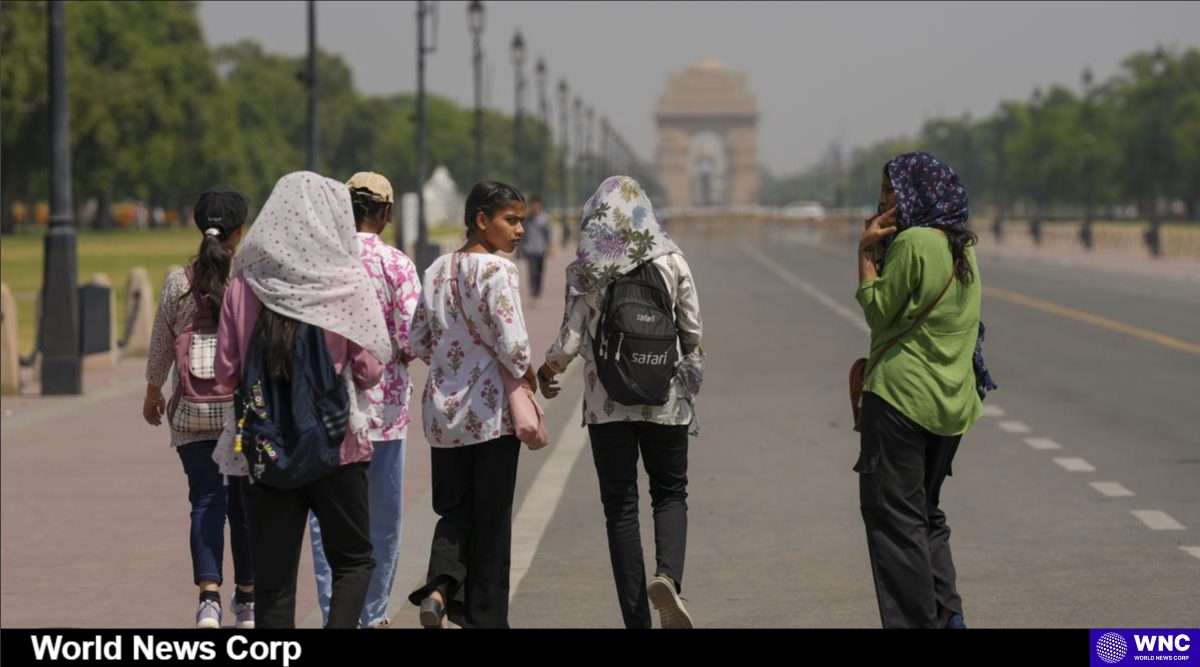
As we delve into the temperature trends across major Indian cities, a striking pattern emerges in the weather dynamics of Jaipur, Delhi, and Ahmedabad. The India Meteorological Department (IMD) has been closely monitoring these regions, particularly during the peak summer months. This year, we have witnessed some of the highest recorded temperatures in recent history, and understanding the implications of these changes is crucial for residents and policymakers alike.
What’s Heating Up Jaipur This Time?
Jaipur, often known for its vibrant culture and historical significance, is also experiencing a significant rise in temperatures. In recent weeks, the city recorded temperatures soaring above 45 degrees Celsius, a stark reminder of the harsh realities of climate change. According to the IMD, Jaipur has been consistently registering temperatures 6 to 8 degrees above the seasonal average. These extreme conditions not only affect the daily lives of residents but also put immense pressure on water resources and electricity supply.
Delhi Weather Woes
Moving north to Delhi, the capital city is facing similar challenges. Recently, the temperature peaked at around 41 degrees Celsius, accompanied by a yellow alert for heatwave conditions. It was reported that the minimum temperature reached a record 25.6 degrees Celsius, indicating a warm night that many residents are not accustomed to. This spike has significant implications for public health, particularly for vulnerable populations such as the elderly and children. As I walked through the bustling streets of Delhi, the signs of discomfort were evident—people seeking shade, children staying indoors, and a general slowdown in activities.
Ahmedabad: A Blistering Reality
In Ahmedabad, the scenario is not very different. The city has been experiencing temperatures around 43 degrees Celsius, with some areas recording even higher. The IMD has noted that heatwave conditions have been prevalent, especially in the afternoons. The rising temperatures have led to increased demand for electricity as air conditioning units work overtime to keep homes cool. Observing the daily hustle in Ahmedabad, one cannot ignore the growing concern about heat-related illnesses, as more individuals complain of dehydration and heat exhaustion.
The Bigger Picture: A Call to Action
The rising temperatures across these cities raise critical questions about urban planning, public health, and climate adaptation strategies. It is imperative for local governments to invest in green spaces, improve water management systems, and enhance public awareness about heat safety measures. Furthermore, initiatives like planting trees and creating more shaded areas could offer some respite to residents. As we adapt to these changing conditions, community involvement will play a vital role in fostering resilience.
Conclusion: Preparing for the Future
As we move forward into the hotter months, staying informed about weather patterns and preparing accordingly becomes crucial. Residents in Jaipur, Delhi, and Ahmedabad must equip themselves with knowledge about heat safety, hydration, and the importance of community action. It is essential to remember that while we cannot control the weather, we can influence how we respond to it. By taking proactive steps, we can mitigate the impacts of extreme temperatures and create a safer, more sustainable living environment for all.