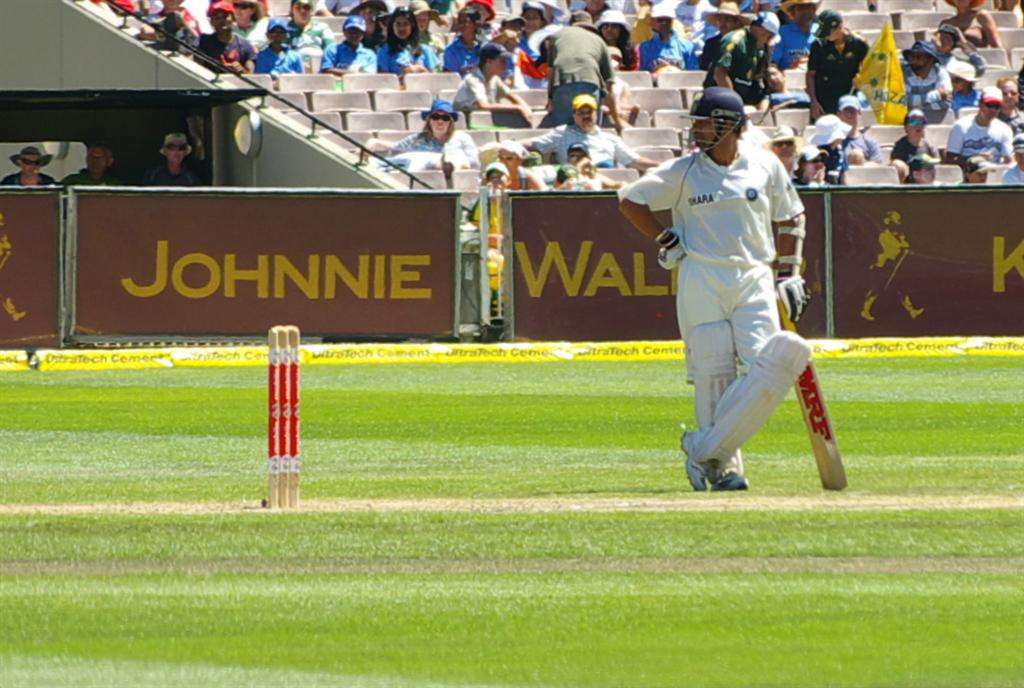
In recent months, Pakistan has found itself in a race against time to prepare for the much-anticipated Champions Trophy. As the nation gears up to host international cricketing giants, significant concerns loom over the readiness of the venues. The Pakistan Cricket Board (PCB) has missed multiple deadlines, with the latest aim set for February 2 to complete renovations at the Gaddafi Stadium in Lahore. This blog delves into the challenges faced by Pakistan and the implications of its sporting governance on the global stage.
Historical Context of Pakistan’s Sports Excellence
Pakistan has a rich history of sporting success, particularly in cricket, hockey, and squash. The country has produced legendary athletes who have proudly represented Pakistan on the world stage. However, a slow and steady decline in governance and policy over the decades has severely impacted its performance. Once a powerhouse in sports, the nation now grapples with the lingering effects of mismanagement and corruption.
Current State of Venues and Challenges Ahead
As of late January 2024, the PCB has reportedly invested over PKR 12 billion into renovating three key venues. However, the ongoing work at Gaddafi Stadium is still incomplete, with issues such as uninstalled seats and digital screens becoming a significant concern. The urgency to finish these renovations has left the PCB scrambling, forcing them to limit media access to avoid public scrutiny of their progress.
The Role of the ICC in Ensuring Readiness
The International Cricket Council (ICC) has also come under fire for its oversight of the tournament preparations. The resignation of ICC CEO Geoff Allardice, just weeks before the tournament, raises questions about the effectiveness of the ICC’s management and its responsibility in ensuring that hosting nations are adequately prepared. The lack of a hybrid model for matches involving India, who will play in Dubai due to security concerns, has further complicated the situation.
Governance and Policy Failures
One of the core issues contributing to Pakistan’s decline in sports is the fragmented governance structure within the PCB. With numerous chairmen leading the board in a short span and frequent allegations of political interference, the stability of Pakistan cricket remains precarious. The PCB’s challenge is not just to complete renovations but to instill a sense of accountability and strategic foresight in its administration.
A Call for Action and Future Considerations
The current situation serves as a wake-up call for both the PCB and the ICC. As they prepare for the Champions Trophy, it is crucial to consider long-term strategies that address the systemic issues plaguing Pakistan sports. Implementing robust governance policies and embracing innovative models, such as hybrid tournament hosting, could safeguard against future challenges. Moreover, the revival of sports in Pakistan will require a collective effort to invest in various sports beyond cricket, ensuring that no athlete’s potential goes untapped.
Conclusion: A Hope for Redemption
As the Champions Trophy approaches, the outlook for Pakistan remains uncertain. The ability of the PCB to deliver on its promises will not only influence the success of the tournament but also impact the nation’s reputation in the global sports arena. If Pakistan can rise to the occasion, it may not only redeem its hosting rights but also reignite the passion for sports that once defined the country’s identity. The world will be watching closely as the tournament unfolds, hoping for a display of resilience and excellence from Pakistan’s sporting community.