
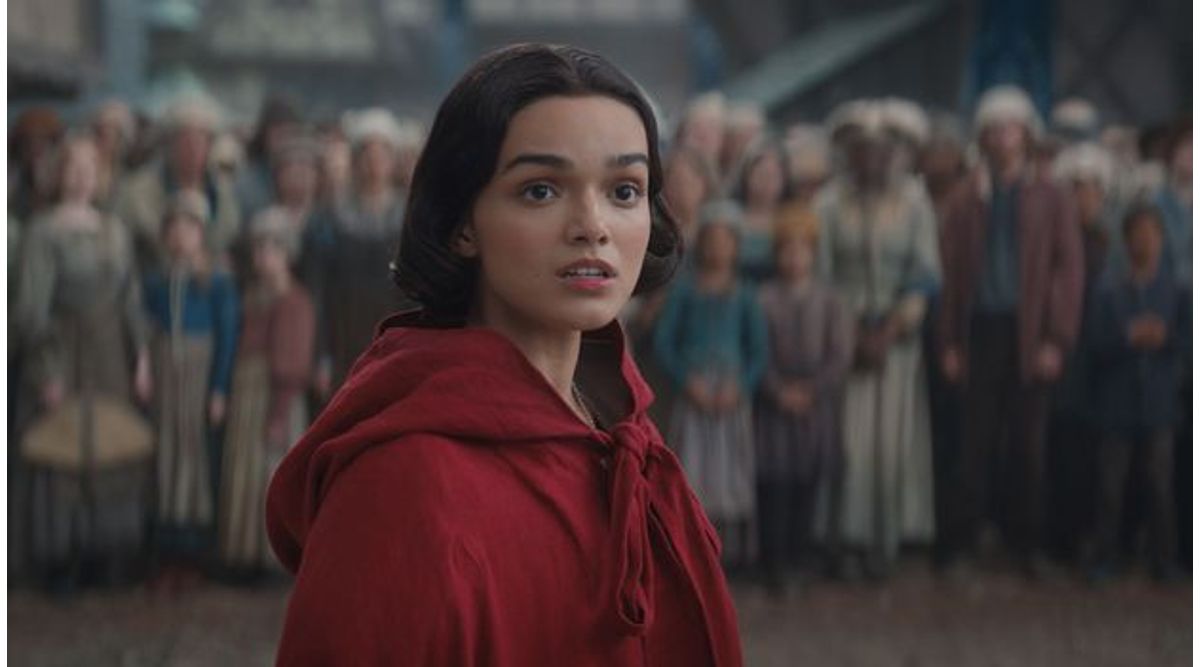
As the release of Disney’s live-action adaptation of Snow White approaches, the film has become a battleground for discussions on race, gender, and cultural representation. Rachel Zegler, a Colombian-Polish actress, takes on the iconic role of Snow White, but not without controversy. In a world that is increasingly sensitive to representation, the film’s modern take is both a refreshing change and a source of heated debate.
How do individuals and communities navigate a legacy of stereotypes, challenging biases and reshaping identities?
The original 1937 animated film has long been criticized for its portrayal of women and its reliance on outdated tropes. Zegler has openly acknowledged these issues, referring to the original prince as a “stalker” and commenting on how the film’s narrative needed to be updated for a contemporary audience. This willingness to critique the past is admirable; however, it has sparked backlash from those who feel that the changes are too politically correct.
In an interview with Vanity Fair, Zegler stated, “Our version is a refreshing story about a young woman who has a function beyond Someday My Prince Will Come.” This sentiment reflects a broader trend in Hollywood to reexamine classic stories through a more progressive lens. Yet, with this reexamination comes the challenge of backlash, as audiences grapple with the changes while still holding onto nostalgia for the original tale.
The Dwarves Dilemma: CGI and Representation
Another major point of contention is Disney’s decision to replace the traditional dwarves with CGI characters. This move was made in response to criticisms from the dwarfism community, and it aims to avoid reinforcing harmful stereotypes. However, the decision has not come without its critics. Actor Peter Dinklage, who himself has dwarfism, voiced his disapproval of the direction the film is taking. He questioned the rationale behind creating a film that still leans on the outdated trope of dwarves living together in a cave, even if they are now portrayed as magical creatures.
Disney’s attempt to modernize the narrative by eliminating the dwarves has been met with mixed reactions. While some applaud the move towards more inclusive storytelling, others argue that it deprives actors with dwarfism of significant roles in a classic story. In a world striving for inclusivity, the challenge lies in finding a balance between modernization and staying true to the essence of the story.
Political Polarization and the Press Tour
The film’s release has also been overshadowed by the political views of its leading actresses. Zegler’s outspoken support for Palestine contrasts sharply with Gadot’s support for Israel, leading to speculation about the dynamics between the two stars. Although they presented a united front on the red carpet, insiders have hinted at underlying tensions due to their differing political beliefs and personal backgrounds. This political backdrop adds another layer of complexity to an already tumultuous press tour.
The Future of Fairy Tales: A Cautionary Tale?
As we look forward to the release of Rachel Zegler’s Snow White, it’s clear that the film is not just a retelling of a classic fairy tale; it’s a reflection of our current societal challenges. The discourse surrounding the film highlights the issues of representation and cultural sensitivity that continue to permeate Hollywood. It raises the question: can a beloved story adapt to modern times without losing its essence?
Disney’s Snow White is poised to spark conversations that extend far beyond the screen. Whether it will emerge as a triumph of inclusivity or become another example of how not to navigate the complexities of modern storytelling remains to be seen. What is certain is that this film will leave a mark on the industry and its audiences, one way or another.