
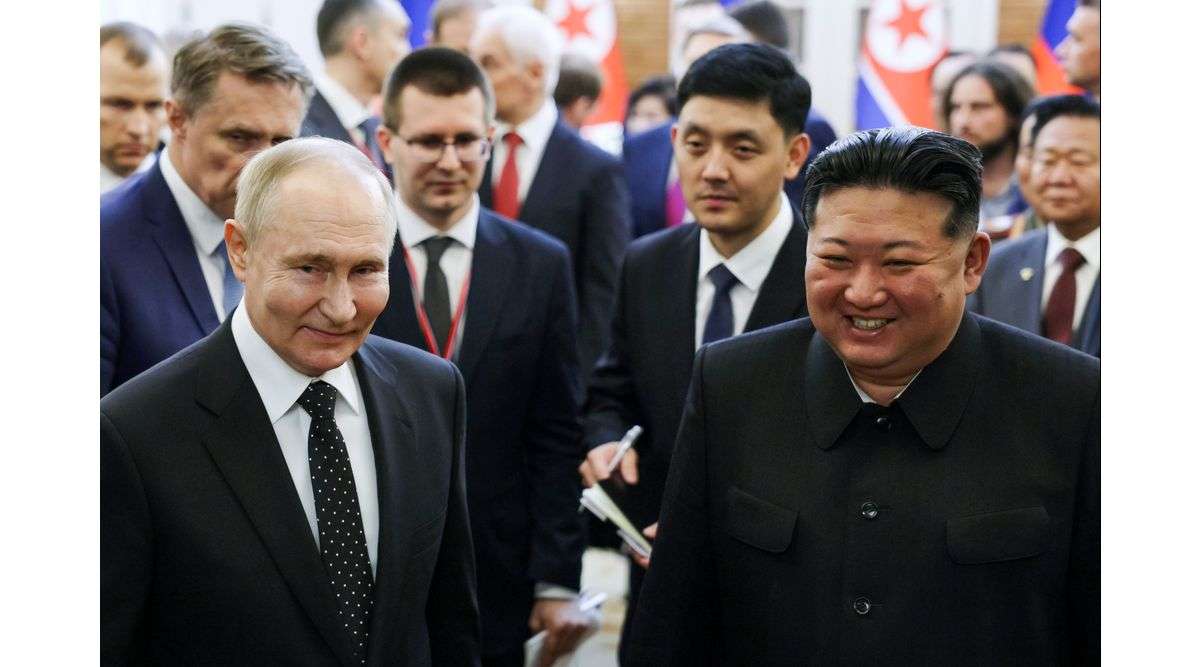
As I sit down to write about Vladimir Putin, I can't help but reflect on the significant impact he has had on global politics over the last decade. Since his resurgence to power in 2012, Putin has been at the helm of Russia, orchestrating a complex web of domestic and international strategies that have drawn both support and intense criticism. Recently, the world has been watching closely as the Kremlin navigates ongoing tensions with the West, particularly in light of the Ukraine conflict, which has escalated since 2022. It's fascinating—and somewhat alarming—to observe how Putin continues to consolidate power while simultaneously facing mounting sanctions and diplomatic isolation.
In recent weeks, Putin has taken steps to reinforce his image domestically, portraying himself as a steadfast leader in the face of adversity. His speeches often emphasize national pride and resilience, which resonate with many Russians amid economic struggles. However, analysts point out that this narrative might not hold indefinitely, especially if the economic situation worsens.
Internationally, the geopolitical chess game is more intricate than ever. With China's growing influence and the shifting alliances in the Middle East, Putin is working to redefine Russia's role on the world stage. Some experts suggest that he is looking to strengthen ties with countries willing to oppose Western sanctions, potentially leading to a new axis of power. It's a captivating yet concerning scenario to contemplate.
As we move forward, how will Putin's leadership style evolve in this rapidly changing landscape? Will he adapt to the pressures of a globalized world, or will he double down on an isolationist approach? Either way, his decisions will undoubtedly shape the future of international relations for years to come, and I, for one, will be watching closely.