

The landscape of Poland’s railways is about to undergo a major transformation, reconnecting historical paths with modern technology. As I journey through the picturesque regions of Małopolska, I can’t help but reflect on the deep-rooted history of these lines, many of which date back to the 19th century during the Austro-Hungarian Empire. The recent announcement of the modernization of the Chabówka-Nowy Sącz route, which includes the construction of the longest railway tunnel in Poland, showcases not only a commitment to improving transportation but also an homage to the past.
What Shaped the Railway Lines Today?
The railway lines in Małopolska were originally developed to meet the needs of the empire, with routes oriented towards major cities like Vienna and Lviv. Karol Trammer, a railway historian, explains that these lines were crucial not just for transportation but also for military strategy, providing alternative routes during conflicts. The Galician Transversal Railway, completed in 1884, spanned 768 kilometers and significantly impacted the development of the region. Towns like Rabka and Nowy Sącz flourished due to the connectivity provided by this railway.
Modernization Efforts: A New Era for Train Travel
Fast forward to today, and we see the revitalization of the Chabówka-Nowy Sącz line. This upgrade is not merely a patch-up; it’s a complete overhaul. The once winding tracks will be straightened, allowing trains to reach speeds of up to 160 km/h, a significant increase from the previous maximum of 60–70 km/h. The modernization aims to create a more efficient travel path, reducing travel time between Kraków and Zakopane to just 90 minutes.
The Engineering Marvel: Constructing the Tunnel
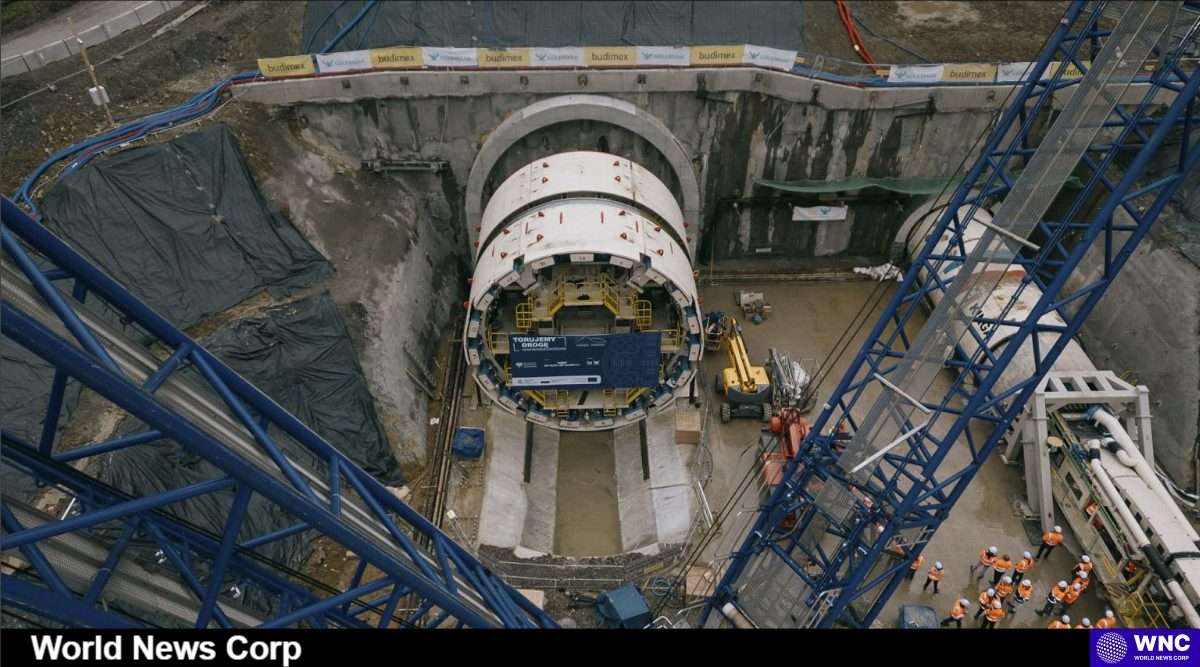
Among the most exciting aspects of this modernization is the construction of a nearly 3.8 km long tunnel between Męcina and Mordarka. This ambitious project, costing approximately 750 million zł, will involve state-of-the-art technology, including a Tunnel Boring Machine (TBM) weighing over 2,500 tons. The complexity of this task, with its anticipated 10-month drilling period, reflects the level of commitment to ensuring that Poland’s railway system meets modern standards.
Economic Impacts and Future Prospects
The financial implications of these projects are substantial. With an estimated total investment of around 12 billion zł for the Podłęże-Piekiełko project, funded by the National Reconstruction Program and the National Railway Program, this initiative signifies Poland’s serious investment in its infrastructure. Upon completion in 2029, this new line will not only improve travel times but also stimulate local economies, making it easier for tourists and residents alike to navigate the region.
Conclusion: Bridging History with Modernity
As I contemplate the future of Poland’s railways, it’s clear that the modernization of the Chabówka-Nowy Sącz line represents more than just an upgrade; it symbolizes a reconnection with the past while looking toward the future. This project is a testament to how historical infrastructure can adapt to meet current demands, providing efficient and sustainable travel solutions for generations to come. The anticipation builds as we await the completion of these projects, promising a new chapter in Poland’s railway history.