

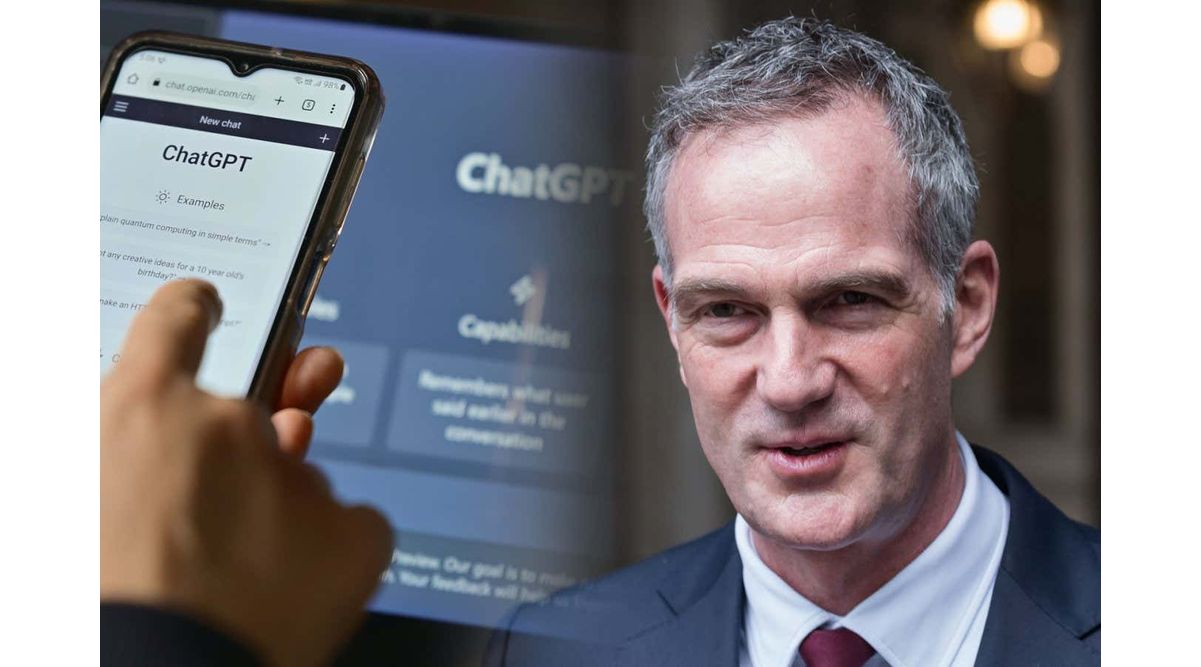
The integration of artificial intelligence (AI) into government processes is not merely a futuristic concept; it’s happening right now. A notable instance is the UK’s Secretary of State for Science, Innovation and Technology, Peter Kyle, who has begun using ChatGPT to tackle complex political issues. As citizens, we should be aware of how this technology is influencing our leaders and shaping public policy.
How is AI bridging the knowledge gap and transforming information access?
Peter Kyle’s proactive approach in utilizing ChatGPT has opened doors to a broader understanding of the challenges faced by small and medium businesses (SMBs) in adopting AI. According to records obtained under the Freedom of Information Act, Kyle turned to the chatbot to inquire why UK SMBs have been slow in embracing this transformative technology. ChatGPT provided insightful feedback, highlighting issues such as ‘Limited Awareness and Understanding’ and ‘Regulatory and Ethical Concerns.’ This feedback is crucial for policymakers aiming to foster an environment conducive to AI adoption.
By identifying these hurdles, Kyle and his department can create targeted initiatives to support SMBs. For instance, the chatbot pointed out that many businesses are unaware of government programs designed to facilitate AI uptake. This insight allows the government to tailor its outreach efforts, ensuring that SMBs receive the assistance they need to thrive in a digital landscape.
AI as a Media Advisor
In addition to policy development, Kyle also sought advice from ChatGPT regarding media appearances. He asked the AI which podcasts would best suit his ministerial responsibilities. The chatbot recommended popular shows like ‘The Infinite Monkey Cage’ and ‘The Naked Scientists,’ both of which are known for engaging discussions on science and technology. This indicates a strategic approach to communication, as Kyle aims to connect with audiences that are interested in innovation and AI.
Using AI in this manner not only enhances the visibility of government initiatives but also promotes public engagement with science and technology topics. Moreover, by appearing on well-regarded platforms, Kyle can demystify AI for the general public, fostering a culture of curiosity and understanding around emerging technologies.
Navigating Ethical Concerns
The use of AI in government does come with its own set of challenges, particularly concerning ethical considerations and data compliance. ChatGPT flagged ‘Compliance with data protection laws, such as GDPR,’ as a significant hurdle for SMBs considering AI investments. This highlights the need for clear guidelines and support mechanisms to help businesses navigate the regulatory landscape.
As AI continues to evolve, policymakers must remain vigilant about the ethical implications of its use. The government’s emphasis on transparency and accountability will be essential in building public trust. This commitment should include ongoing dialogue with stakeholders across various sectors to ensure that AI development aligns with societal values.
The Future of AI in Governance
The successful use of ChatGPT in Kyle’s office raises important questions about the future of AI in governance. Will other ministers follow suit? How will this shape the relationship between technology and public policy? With the UK’s government actively promoting AI adoption, it’s clear that AI will play a pivotal role in shaping the future of governance.
As citizens, we should advocate for the responsible use of technology in politics. Transparency in how AI is used by government officials will be crucial for ensuring that these tools serve the public interest. It’s a promising start, but the journey is just beginning. As AI continues to permeate our lives, understanding its implications on governance is essential for an informed electorate.
In conclusion, Peter Kyle’s engagement with ChatGPT exemplifies a shift in how government can leverage AI to enhance decision-making processes. By embracing this technology, we may see a more informed, efficient, and responsive government, ultimately benefiting society as a whole.