

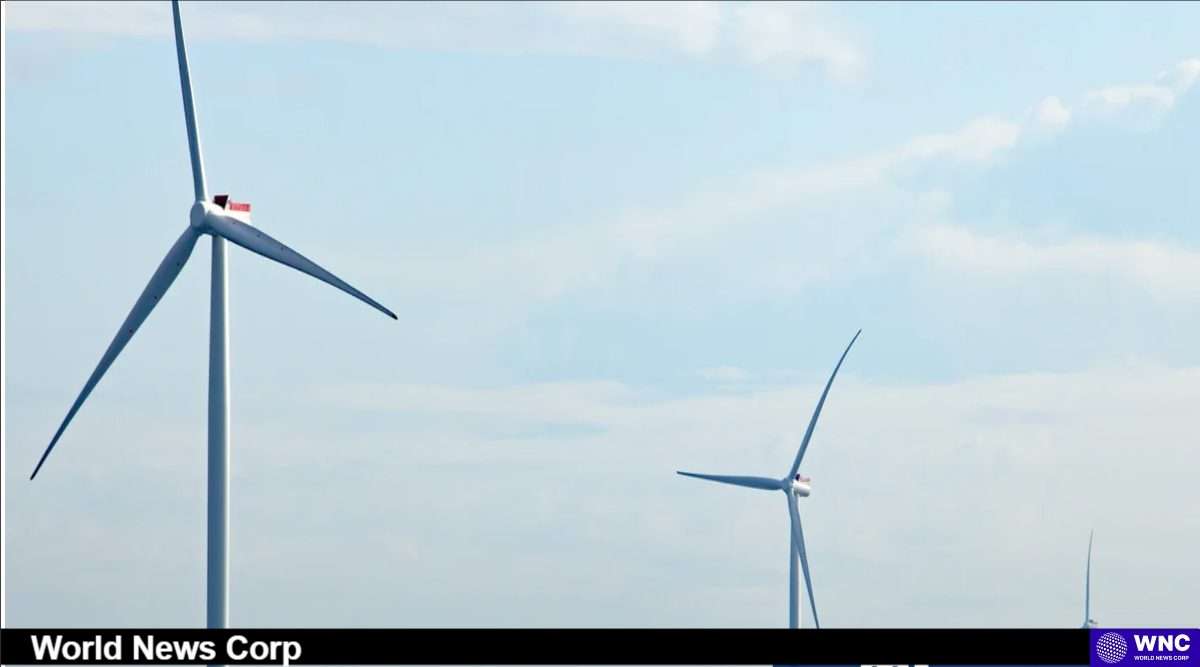
In a significant setback for the offshore wind industry, Ørsted, the Danish energy giant, has announced the cancellation of its Hornsea 4 project off the Yorkshire coast. Initially planned to include 180 massive turbines capable of powering around one million homes, the project faced insurmountable challenges. Ørsted’s CEO, Rasmus Errboe, attributed the cancellation to soaring supply chain costs, rising interest rates, and heightened execution risks. With the expected breakaway costs estimated between 3.5 billion and 4.5 billion Danish kroner (approximately £399 million to £513 million), this decision marks a crucial turning point in Ørsted’s ambitious wind farm endeavors.
What are the broader implications of current trends for the renewable energy sector?
This cancellation is not just a loss for Ørsted but signifies a broader trend affecting the renewable energy sector. The offshore wind industry is grappling with increased expenses, partly due to inflationary pressures and complications within the global supply chain. As someone who has been following renewable energy developments, it’s clear that these challenges could have ripple effects across the industry, possibly delaying or even halting other planned projects. For instance, Ørsted previously scrapped two major developments off the U.S. northeast coast, which cost the company £3 billion and resulted in significant job losses.
What Does This Mean for the UK’s Energy Goals?
The UK government has set an ambitious target to generate 50 GW of offshore wind energy by 2030, but setbacks like Hornsea 4’s cancellation could hinder this goal. While the first two phases of the Hornsea project are operational, the loss of Hornsea 4 could slow the momentum needed to meet future energy demands. Nonetheless, Ørsted maintains a positive long-term outlook for offshore wind, citing increasing global electricity demand and a renewed focus on energy security through renewable sources.
The Role of Policy and Regulation
The regulatory landscape plays a crucial role in the viability of offshore wind projects. With changing governments and policy priorities, particularly in the U.S. under President Donald Trump, the future of offshore wind is uncertain. Ørsted’s experience underscores the critical need for stable, supportive policies that can withstand economic fluctuations. As stakeholders in the energy sector, it is essential to advocate for regulatory frameworks that promote investment and innovation in renewable energy.
Moving Forward: Lessons Learned from Hornsea 4
The cancellation of Hornsea 4 serves as a wake-up call for developers and investors alike. The combination of rising costs and regulatory uncertainties can derail even the most promising projects. It is vital for companies to adopt adaptive strategies and conduct thorough risk assessments before embarking on large-scale renewable initiatives. As we look ahead, the industry must learn from these challenges to build a more resilient and sustainable future for offshore wind energy, ensuring that the transition to renewable resources remains a priority.
Conclusion
While the cancellation of Hornsea 4 is disappointing, it highlights the complexities of developing renewable energy projects in today’s economic landscape. As we continue to face challenges, the focus must remain on improving supply chains, regulatory consistency, and innovative financing models to ensure that offshore wind can contribute effectively to our energy needs. The future of offshore wind is still bright, and by addressing these challenges, we can pave the way for a more sustainable energy landscape.