

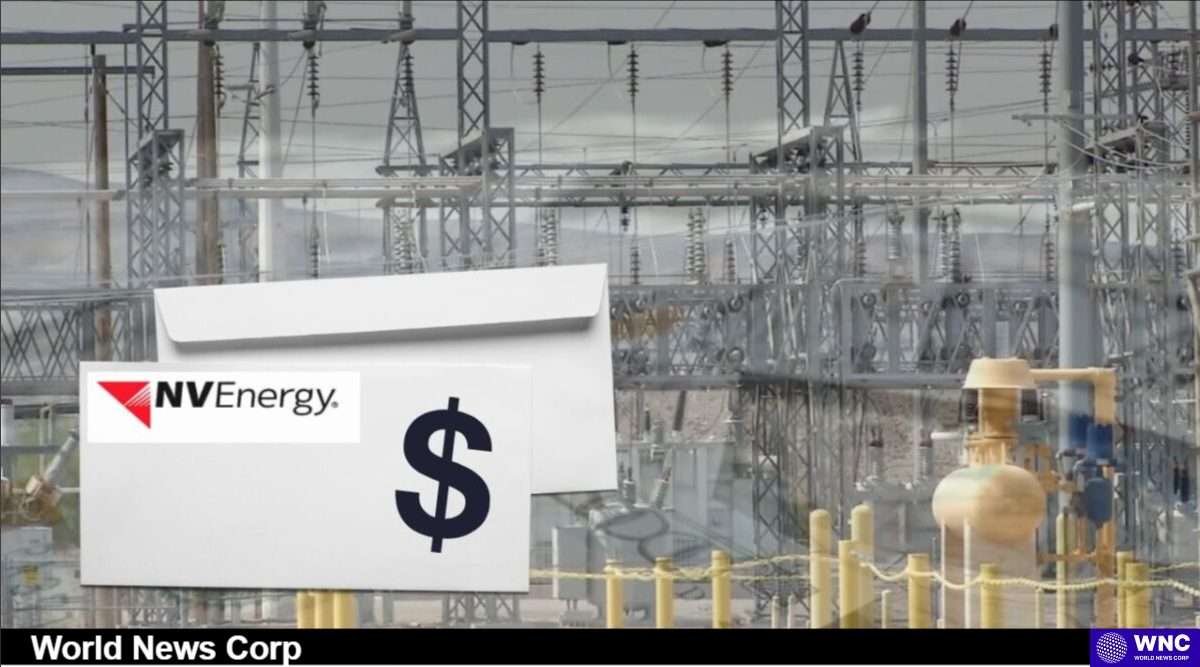
As summer approaches, residents across Nevada are bracing for the inevitable rise in electricity bills. This reality has sparked a crucial conversation about accountability and fairness in energy pricing. With Assembly Bill 452 (AB452) making its way through the Nevada legislature, many are hopeful for a change in how NV Energy manages its fuel costs and billing practices.
How Does the Billing System Work?
Currently, NV Energy, the state’s primary electricity provider, passes 100% of its fuel costs directly onto consumers. This means that if fuel prices surge—like they did in 2023 when natural gas prices jumped by 70%—customers feel the brunt of those increases. For single mothers like Andi Kaufman, who saw her bill escalate from $91 to $245, every dollar counts. Such spikes in electricity costs can be catastrophic for families living on fixed incomes.
What Is Assembly Bill 452?
AB452, introduced by Assemblywoman Tracy Brown-May, seeks to change the dynamics of this billing system. The proposed bill urges state energy regulators to explore a fuel cost-sharing mechanism. This would allow NV Energy to absorb part of the fuel cost increases rather than shifting the entire burden to customers. The bill’s advocates believe this could lead to more predictable bills for consumers while encouraging the utility to invest in renewable energy sources that don’t fluctuate dramatically in price.
The Benefits of Fuel Cost Sharing
Fuel cost sharing is not a novel concept; several states, including Hawaii and Missouri, have successfully implemented similar systems. In these models, utilities bear a portion of the cost when prices exceed forecasts, while also enjoying savings when prices drop. This dual approach incentivizes utilities to manage their fuel procurement strategically, potentially leading to long-term savings for consumers.
Rebecca Wagner, a former state energy regulator and co-author of the bill, argues that shifting some risk back to the utility could lead to better management of fuel costs. “Fuel price volatility is best managed by the utility, not passed down to families trying to keep the lights on,” she stated during a recent legislative hearing.
Addressing Customer Overbilling
Another significant aspect of AB452 is its focus on customer protections. Currently, if NV Energy erroneously overbills customers, it is only required to refund a portion of the excess payment. This loophole has left many residents feeling frustrated and cheated. For example, one couple was overcharged for six years but received less than $100 in reimbursement for over $1,100 owed. The bill aims to enforce full refunds plus interest, ensuring that customers are made whole when mistakes occur.
Opposition to the Bill
Despite growing support for AB452, NV Energy has voiced strong opposition. Utility executives argue that the existing system works effectively and that the proposed changes could introduce unnecessary complexities. Janet Wells, NV Energy’s VP of Regulatory Affairs, has claimed that the bill could lead to risky procurement strategies and that customers are already protected under the current framework.
The Path Forward
AB452 is currently under review, having passed the Assembly Growth and Infrastructure Committee with bipartisan support. If the bill continues to progress, it could bring about a significant shift in how Nevada handles utility regulation and energy affordability. As Assemblymember Brown-May put it, “This is about ensuring predictability and fairness for everyday Nevadans.” With the future of energy bills hanging in the balance, many are watching closely to see how these legislative changes unfold.