

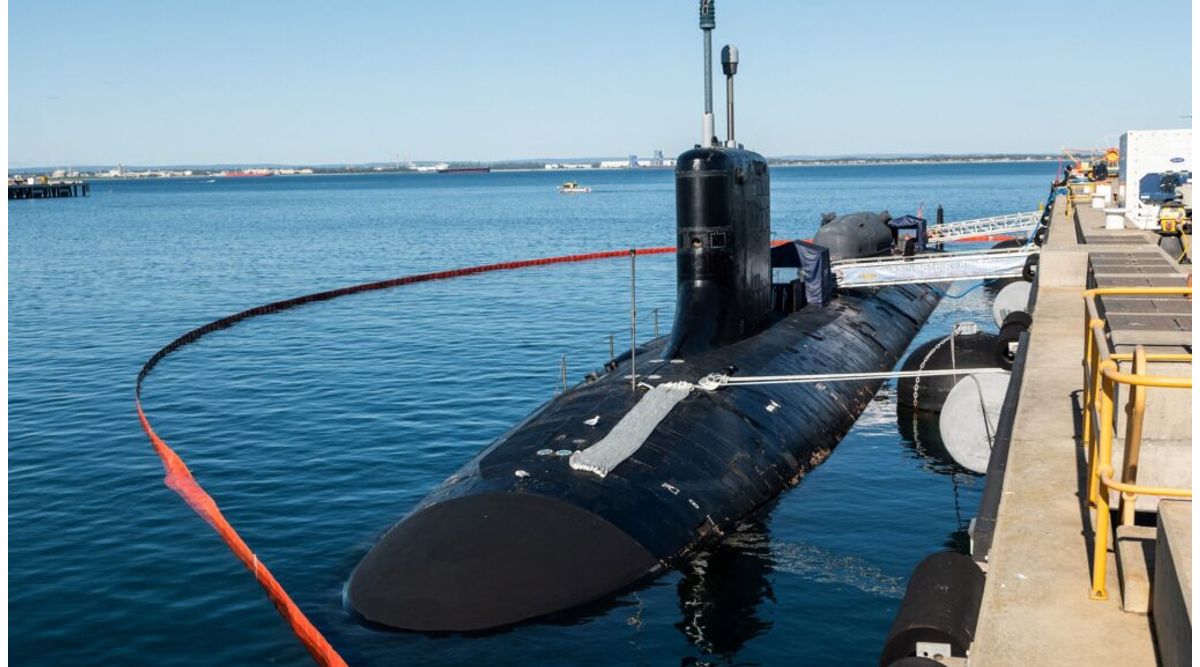
The AUKUS deal, signed between Australia, the UK, and the US, was initially lauded as a pivotal step towards bolstering security in the Indo-Pacific. However, emerging doubts have cast a shadow over its execution. As I analyze the situation, it becomes clear that while the deal promises nuclear-powered submarines, the reality may diverge significantly from the expectations set forth by Australian leaders.
What is AUKUS and What Are Its Implications for Australia’s Security and Economy?
AUKUS, announced in September 2021, aims to enhance military collaboration between the three nations, primarily focusing on the transfer of nuclear submarine technology to Australia. The deal involves Australia acquiring between three to five Virginia-class submarines from the US, with the first delivery expected by 2032. Following that, the UK is slated to provide the first AUKUS-designed submarine by the late 2030s, with Australia’s home-built version anticipated in the early 2040s. However, with a projected cost of $368 billion through the mid-2050s, many wonder if the financial burden outweighs the strategic benefits.
Are Australia’s Submarine Dreams at Risk?
As the situation stands, there are increasing concerns regarding America’s ability and willingness to deliver these submarines. Reports suggest that the US Navy may struggle to meet its own demands, potentially jeopardizing Australia’s access to these vessels. This uncertainty was amplified by the Congressional Research Service, which noted that America could opt to retain the submarines for its own use rather than transfer them to Australia. The notion of Australia becoming a mere forward operating base for US military operations rather than an independent naval power is a troubling thought for many.
Historical Context and Lessons Learned
Australia’s relationship with submarines has been fraught with challenges. The nation’s first submarine was lost in 1914, and subsequent attempts to establish a reliable fleet have faced numerous setbacks. For instance, the Collins-class submarines, which have been in service since the mid-1990s, are now aging and require replacement. The historical failures in submarine acquisition make the current situation even more precarious. As former Prime Minister Malcolm Turnbull pointed out, the AUKUS deal might end up costing more while providing less than previous agreements, particularly the now-canceled deal with France.
The Path Forward: AUKUS Plan B?
Given these uncertainties, some experts suggest a possible Plan B for Australia. Instead of relying solely on nuclear submarines, Australia could pivot towards investing in advanced military technologies such as unmanned systems and hypersonic weapons. This strategy would provide a more versatile defense posture while potentially mitigating the risks associated with the AUKUS submarine deal. By focusing on innovative technologies, Australia could enhance its defense capabilities without the overwhelming financial burden tied to acquiring nuclear submarines.
Conclusion: Rethinking Defense Strategies
The AUKUS deal presents both opportunities and challenges for Australia. While the idea of acquiring cutting-edge submarines is appealing, the realities of production capacities, financial implications, and geopolitical dynamics cannot be ignored. As Australia navigates this complex landscape, it may be essential to reassess its defense strategies and consider alternatives that align more closely with its sovereign interests. The priority should be to ensure that Australia remains secure and capable, regardless of the uncertainties surrounding its submarine ambitions.