

Introduction
January 2025 saw Atlanta witness some ghastly news to the city’s vibrant dining scene; numerous well-known restaurants closed their doors. This move has stirred up a wave of conversation among the locals and foodies on the challenges these restaurants faced. This blogpost explores the causes, reactions within the community, and what it entails for the future horizon of Atlanta’s food scene.
The Landscape of Closures
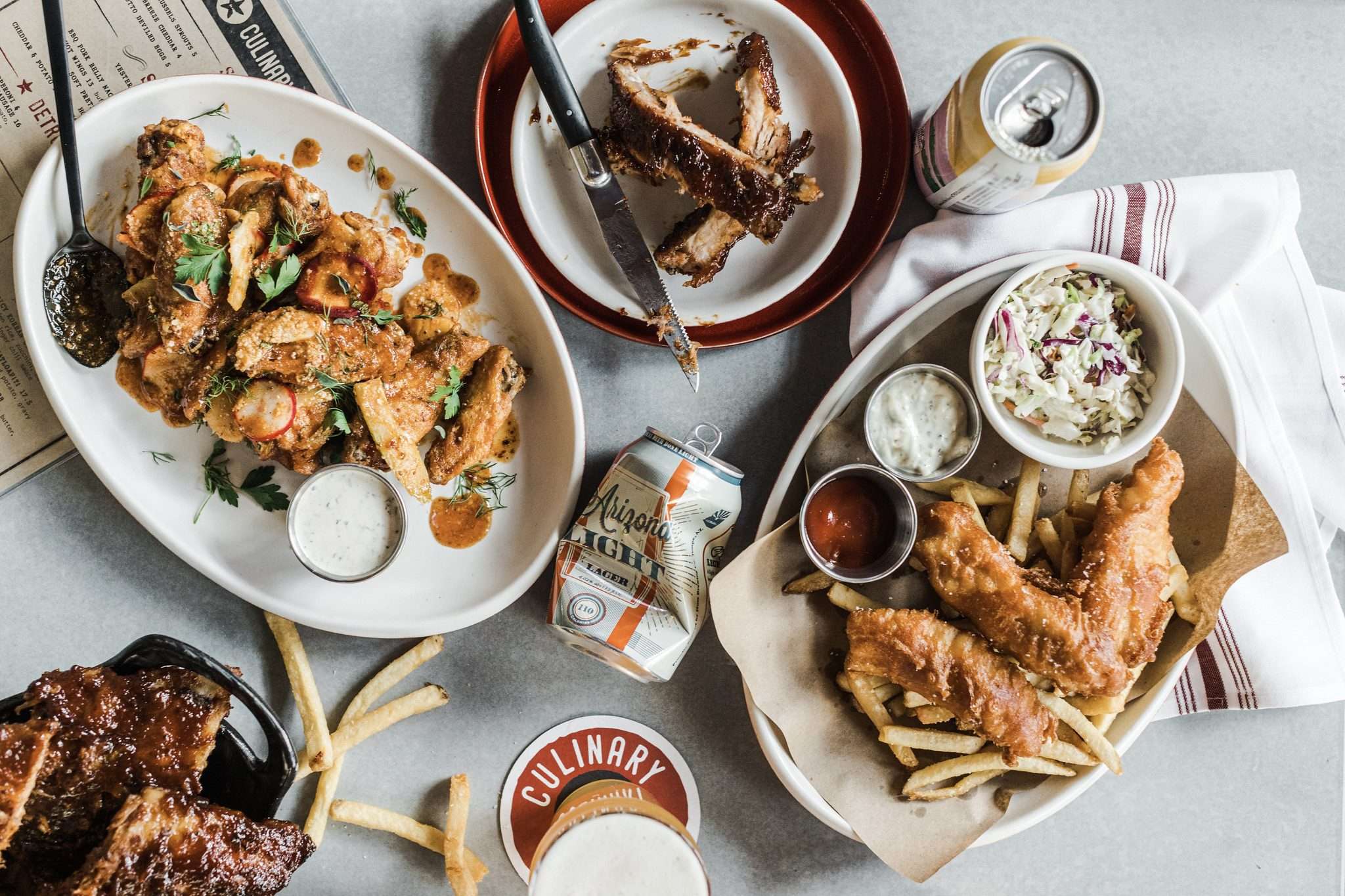
Some of the most prominent closings included Culinary Dropout, which had only been open for about a year. In West Midtown, this restaurant offered everything from Detroit-style pizzas to weekend brunches. Unfortunately, the space was too large for a single restaurant to fill comfortably and a paid parking regime didn’t help. Bruxie was another casualty with its legendary chicken and waffle sandwiches. It couldn’t get any visibility with fast-food giants competing around it.
The Ripple Effect
These closures do not only mean that there are fewer places to eat; they indicate broader trends within the restaurant business. In a city as diversified in its cuisine, the new dynamics can even cause a shift in what customers want. Take Don Fausto’s Cocina Cubana, for example. This truck-turned-permanent-stall food vendor was still uncertain despite the devoted following it had. This points to unpredictability in consumer preference and the nature of competition in the food industry.
Industry Challenges Inside
Several reasons contributed to these closings. The heavy metal-themed bar Halford’s only existed for two months before it closed, as the property was sold. The Snooze A.M. Eatery‘s high rate of vehicle break-ins in the area has led to a safety concern of customers and employees also.
These incidents really expose the travails restaurants go through aside from food menus: location, security, and community support, among others.
Opportunities Out of Loss
Whereby on the down side, many restaurants are now closed, it seems there’s another side. All this transition at the restaurants helps open room for new innovation restaurant concepts. There is still room for other areas to sprout new dining outlets that fill those gaps in an area, too. Finally, organizations, like What Now Atlanta, which fill the space in helping businesses understand how they could thrive with some resources.
The dining scene in Atlanta is on the verge of changing. Closings are very depressing, yet they are opportunities for rebirth. Newer places may look at what other restaurants did wrong and try harder with concepts that stand out and with experiences to share and in giving back to the community. It is then up to diners to show love to their local businesses while welcoming the newcomers.
Conclusion
There have been a few losses lately, as several of Atlanta’s favorite restaurants shut their doors. But each closing brings the possibility of something new and bright. By supporting unique and innovative dining concepts and engaging with our community, we are helping to ensure that Atlanta’s culinary scene not only survives but thrives. As we move forward in this very fluid landscape, we must remain hopeful and open to what the future has in store for our city’s dining scene.