

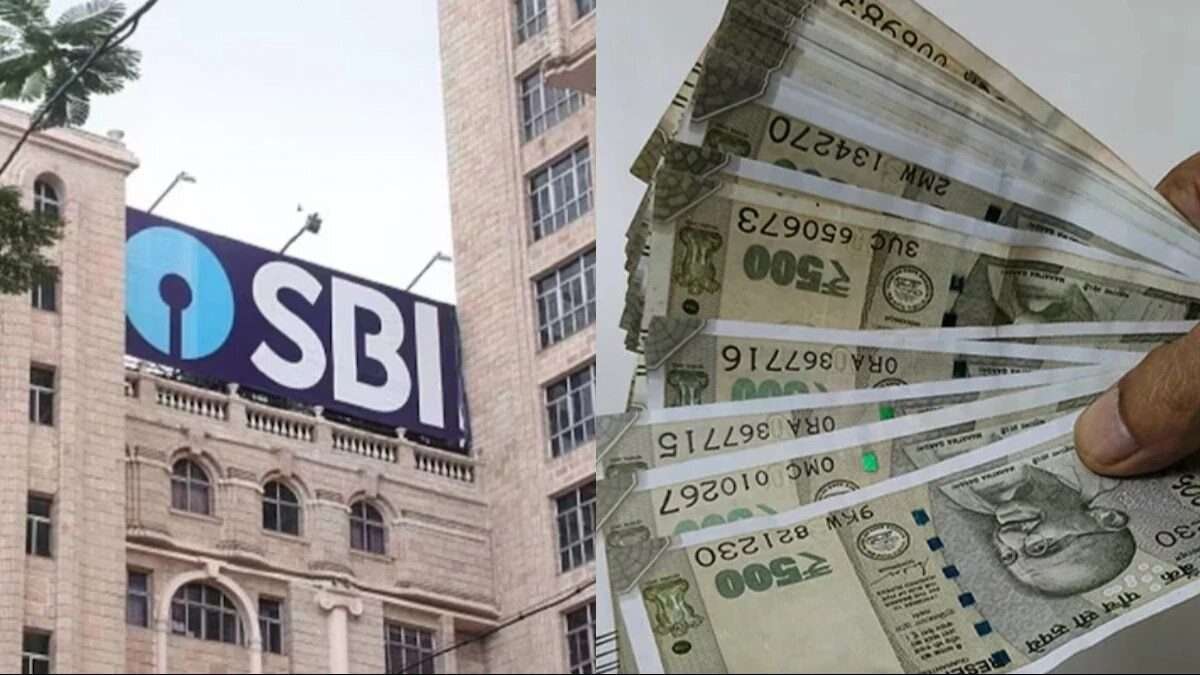
Understanding Present Share Price Trends of SBI
The share price of State Bank of India has been the inquisitive pursuit of several investors and analysts. In the recent trading session, its share price moved between ₹753 levels while it fell by 1.58% on the same day. In addition to this, the bank posted an impressive 84% year-over-year growth in net profit. Thus, the bank is outperforming in terms of finance.
Financial Performance Summary
SBI had a net profit of ₹16,891 crore for the quarter ending December 31, 2024. This was up from ₹9,164 crore in the previous year. Profit was helped by a 4% rise in NII to ₹41,446 crore. Such good financial numbers often result in positivity regarding share price movements; however, market reactions can often be unpredictable.
Market Sentiment and Investor Reactions
The share price of SBI continues to face selling pressure despite very good financial performances. Analysts said that while treasury income and moderate margins contributed to a soft reduction in the target prices given by brokerages, Nirmal Bang Institutional Equities decreased its target from ₹1,055 to ₹1,016, showing a mixed sentiment regarding the stock. Investors are advised to keep an eye on these fluctuations, as they can indicate broader market sentiment and potential future performance. ### Key Performance Indicators to Watch
SBI’s asset quality has improved as the gross NPA ratio declined to 2.07%. This is a positive indicator for investors, as it suggests better credit management and lower risks of defaults. Furthermore, the domestic loan growth of 14.06% reflects healthy demand for loans, which could support the share price in the long term.
Future Prospects for SBI’s Share Price
On the upside, analysts are rather optimistic on the longer-term outlook for SBI. The bank’s management has guided for loan growth of 14-16% and expects a net interest margin above 3%. Such projections are important for potential investors as these indicate a stable growth trajectory. If the share price can sustain a base around ₹720, based on certain analyst recommendations, there could be scope for rebounds to ₹780 or even ₹800.
Investment Strategies for SBI Shares
Current shareholders are advised to hold a stop loss at ₹720. For those entering the market, buying on dips can be an ideal entry point when opportunities arise. Up-to-date market analysis and stock recommendations on sites help out investors make valuable investment decisions and limit their risks in these areas.
Conclusion
The share price of SBI is one factor in the interest of the banks and is brought about by sound financial performance plus market sentiment. With these market trends, economy indicators, as well as keeping an eye on the financial state of the bank, investors could better make important investment decisions when making their trades. Whether for seasoned investors or for new starters, the stock price of the SBI indeed serves as one great case that the stock investing game is highly complex.