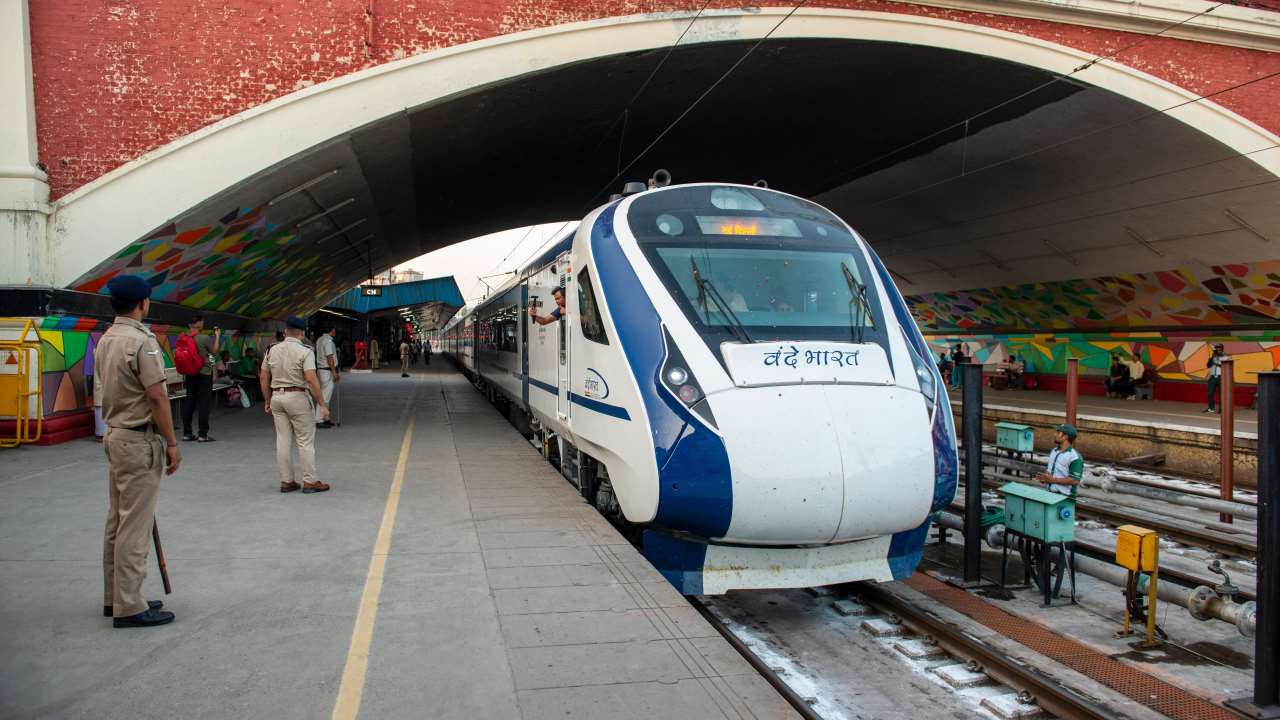
India’s railway sector has been one of the key focus areas for investors, especially in the wake of recent announcements made in the Union Budget for FY26. These decisions have important implications for stocks such as Rail Vikas Nigam Ltd (RVNL) and Indian Railway Finance Corporation (IRFC). Let’s look at recent market trends, the performance of RVNL and IRFC shares, and the broader context of railway investments in India.
Understanding the Impact of the Union Budget
For the market participants, the Indian Union Budget is a very important event, especially for sectors that rely heavily on government spending. Railway, which has been one of the significant sectors for growth and infrastructure development, received a flat budget allocation of ₹2.55 lakh crore for FY26. The lack of increase in funding led to immediate reactions in the stock market, with shares of RVNL and IRFC falling significantly.
Investors were positive regarding possible rise in funding, but no change in the allocation was disappointing. The stock of RVNL declined by 9% on February 1, indicating a bearish market sentiment. IRFC also declined in tandem during this period, representing the vulnerability of investors over future growth prospects in railway.
Analyzing RVNL and Its Market Position
Rail Vikas Nigam Ltd has portrayed itself as the executing arm of Indian Railways with a diverse portfolio of projects from conceptualization to completion. The order book at this organization is healthy, standing at ₹83,221 crore as of June 30, 2024, which gives visibility on the revenue front for the next few years. This kind of stable revenue stream remains quite essential in the interest of sustaining investor confidence, especially after the very disappointing budget allocations.
With this end, Axis Securities maintains a ‘Buy’ call on RVNL shares with a target of ₹501 over the next three to six months. The improvement in EBITDA margins, which is expected to be upsurged by the entrance of variable-priced projects, seems positive for RVNL’s profitability growth prospects.
Role of IRFC in Railway Projects Financing
The IRFC is crucial for funding the expansion and upgrading of Indian railways. Barring any significant changes in capital expenditure expectations, the ability of IRFC to raise funds through bond issuance, other financial instruments, can support railway projects.
Despite the recent slide in its share price, long-term prospects remain tied to the overall railway sector itself. Railway infrastructure investments proposed in past budgets and economic surveys depict the government’s keen interest in its propagation and the continuity of IRFC in such investments.
Strategies for Investors in the Railway Sector
For investors seeking to navigate through the turbulent waters of railway stocks, some strategic approaches are particularly helpful:
- Long-term Perspective: Infrastructure spending, being a cyclic phenomenon, the long-term approach to investment reduces the short-term volatility.
- Diversification: Investors should always diversify the portfolio by keeping a mix of railway stocks along with other sectors to spread out the risk.
- Current Affairs: Awareness of government policies and budget announcements may be a source of insight into future investment opportunities.
. - Technical Analysis: Use of relative strength index is helpful in establishing entry and exit points for trading purposes.
Conclusion: The Future of Indian Railways
Despite the recent reverses, the Indian railway sector has a bright future. Both RVNL and IRFC are well placed to benefit from growth in the sector once it starts. Investors must be watchful and agile and adjust their strategy according to market dynamics and government policies that will impact this strategic industry.
In summary, there is a need to look into the long term of railway investment in India with a bright scope. The investment should be looking at the immediate outlook and take a long term view, too, and focus on fundamentals prepared for opportunities arising.