
As the Delhi Assembly election is nearing 2025, the Model Code of Conduct, which is essentially the backbone that guarantees free and fair elections, is once again coming into the limelight. The controversies recently seen in candidates from the Aam Aadmi Party, including Amanatullah Khan and Atishi, make the point. In the blog, we explore the implications of MCC violations, the role of law enforcement, and the broader political landscape leading up to the elections.
Understanding the Model Code of Conduct
Model Code of Conduct: Guidelines laid down by the Election Commission of India regulating the conduct of political parties and candidates in connection with or relating to the election. This seeks to provide an even level field and to check the abuse of state machinery. According to this, the last date for campaign should be ascertained in advance and a candidate must refrain from any words or activities capable of influencing or prejudicing the public mind in respect of his or any other candidate for election.
Recent Violations and Controversies
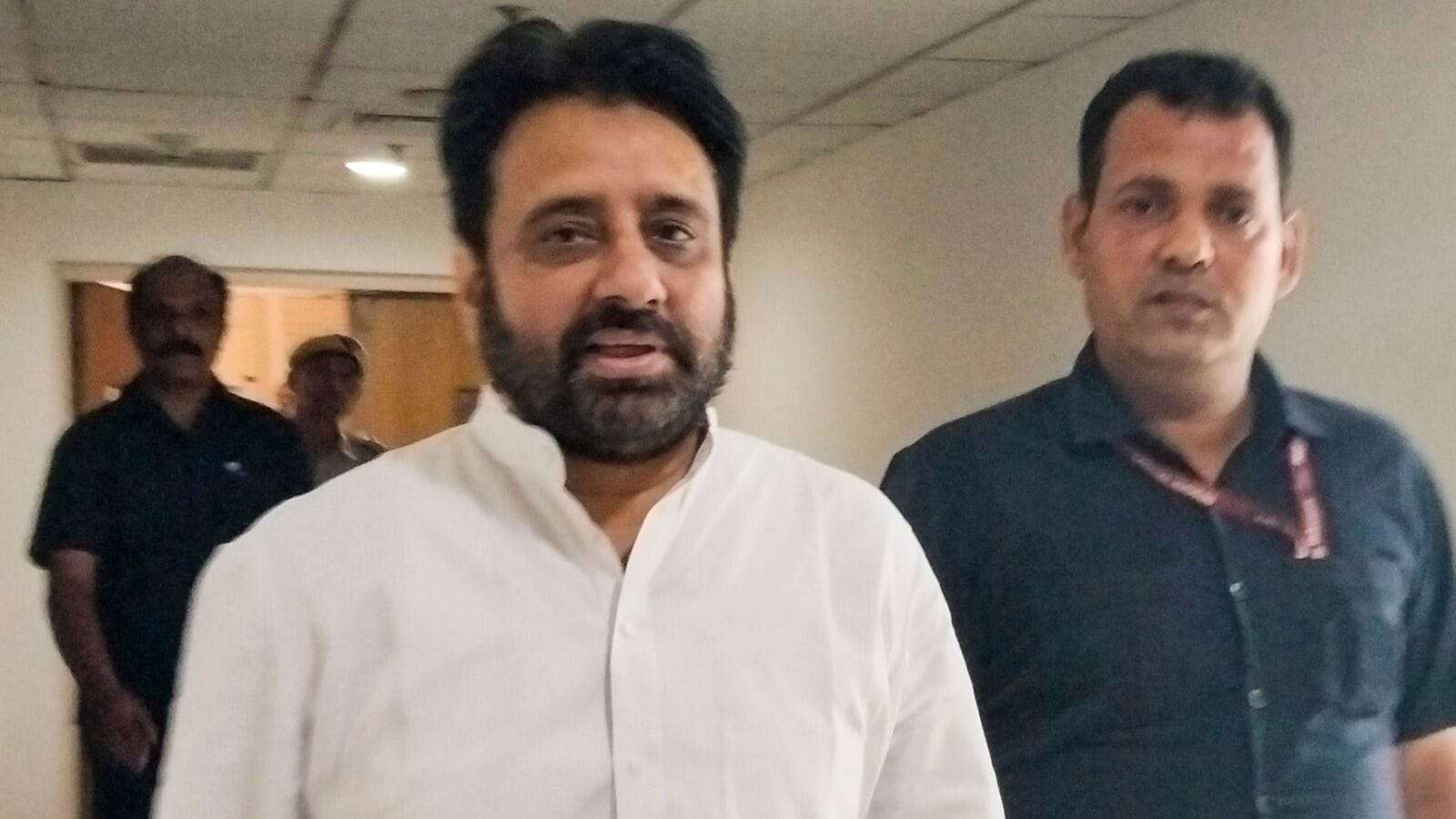
Recent FIRs against AAP candidates go to increase the concerns regarding MCC violations. Amanatullah Khan was booked for violating the MCC after he was found canvassing post the deadline of MCC. Atishi was another such candidate, whose entourage a large number of supporters questioned her MCC compliance. These incidents are no less than media attraction, leading to public discourse about the process of conducting elections.
The Role of Law Enforcement
Delhi Police have been quite proactive in implementing the MCC as they have already registered over 1,076 cases of violation before the elections. This also includes the recovery of illegal arms, narcotics, and a substantial amount of cash and liquor to be distributed during the elections. The stringent implementation measures are imperative for maintaining the democratic ethos and ensuring that the elections are carried out without influence or malpractice.
Political Reactions and Allegations
In the aftermath of these incidents, AAP chief Arvind Kejriwal has strongly condemned the actions of the Election Commission and the police, saying they are biased towards the Bharatiya Janata Party (BJP). Such allegations are not new in Indian politics, where accusations of favoritism and manipulation often surface during elections. The political narrative creates an atmosphere of tension and mistrust, which can impact voter turnout and public perception.
Real-World Implications
The implications of MCC violations go beyond the immediate legal consequences for candidates. They can change the dynamics of voter sentiment and influence the outcome of elections. When voters feel that the process is not fair, it leads to disillusionment and apathy towards the electoral process. This is particularly worrisome in a politically active city like Delhi, where the stakes are high, and every vote counts.
Ensuring Fair Elections
For the voters, understanding the MCC and its implications are important. This makes them equipped to spot when evictions take place and ensure accountability on the candidates. Responsible citizens, who are educated and vigilant, can question the status quo and struggle for accountability in the electoral process. Just prior to elections, all stakeholders, be they voters, contestants, or the police, need to unite towards the integrity of democracy.
The 2025 Delhi Assembly elections would be a critical juncture for democracy in the region. As candidate intervention was concerned with the political aspects, this election will bring about significant adherence to the Model Code of Conduct. Citizens, in fact, need to know and participate actively in the electoral process to ensure that their voices are heard. In this case, an appropriate approach to electoral processes could represent the true will of the people, paving the way for more accoAs the Delhi Assembly election is nearing 2025, the Model Code of Conduct, which is essentially the backbone that guarantees free and fair elections, is once again coming into the limelight. The controversies recently seen in candidates from the Aam Aadmi Party, including Amanatullah Khan and Atishi, make the point. In the blog, we explore the implications of MCC violations, the role of law enforcement, and the broader political landscape leading up to the elections.
Understanding the Model Code of Conduct
Model Code of Conduct: Guidelines laid down by the Election Commission of India regulating the conduct of political parties and candidates in connection with or relating to the election. This seeks to provide an even level field and to check the abuse of state machinery. According to this, the last date for campaign should be ascertained in advance and a candidate must refrain from any words or activities capable of influencing or prejudicing the public mind in respect of his or any other candidate for election.
Recent Violations and Controversies
Recent FIRs against AAP candidates go to increase the concerns regarding MCC violations. Amanatullah Khan was booked for violating the MCC after he was found canvassing post the deadline of MCC. Atishi was another such candidate, whose entourage a large number of supporters questioned her MCC compliance. These incidents are no less than media attraction, leading to public discourse about the process of conducting elections.
The Role of Law Enforcement
Delhi Police have been quite proactive in implementing the MCC as they have already registered over 1,076 cases of violation before the elections. This also includes the recovery of illegal arms, narcotics, and a substantial amount of cash and liquor to be distributed during the elections. The stringent implementation measures are imperative for maintaining the democratic ethos and ensuring that the elections are carried out without influence or malpractice.
Political Reactions and Allegations
In the aftermath of these incidents, AAP chief Arvind Kejriwal has strongly condemned the actions of the Election Commission and the police, saying they are biased towards the Bharatiya Janata Party (BJP). Such allegations are not new in Indian politics, where accusations of favoritism and manipulation often surface during elections. The political narrative creates an atmosphere of tension and mistrust, which can impact voter turnout and public perception.
Real-World Implications
The implications of MCC violations go beyond the immediate legal consequences for candidates. They can change the dynamics of voter sentiment and influence the outcome of elections. When voters feel that the process is not fair, it leads to disillusionment and apathy towards the electoral process. This is particularly worrisome in a politically active city like Delhi, where the stakes are high, and every vote counts.
Ensuring Fair Elections
For the voters, understanding the MCC and its implications are important. This makes them equipped to spot when evictions take place and ensure accountability on the candidates. Responsible citizens, who are educated and vigilant, can question the status quo and struggle for accountability in the electoral process. Just prior to elections, all stakeholders, be they voters, contestants, or the police, need to unite towards the integrity of democracy.
Conclusion
The 2025 Delhi Assembly elections would be a critical juncture for democracy in the region. As candidate intervention was concerned with the political aspects, this election will bring about significant adherence to the Model Code of Conduct. Citizens, in fact, need to know and participate actively in the electoral process to ensure that their voices are heard. In this case, an appropriate approach to electoral processes could represent the true will of the people, paving the way for more accountable governance.untable governance.