
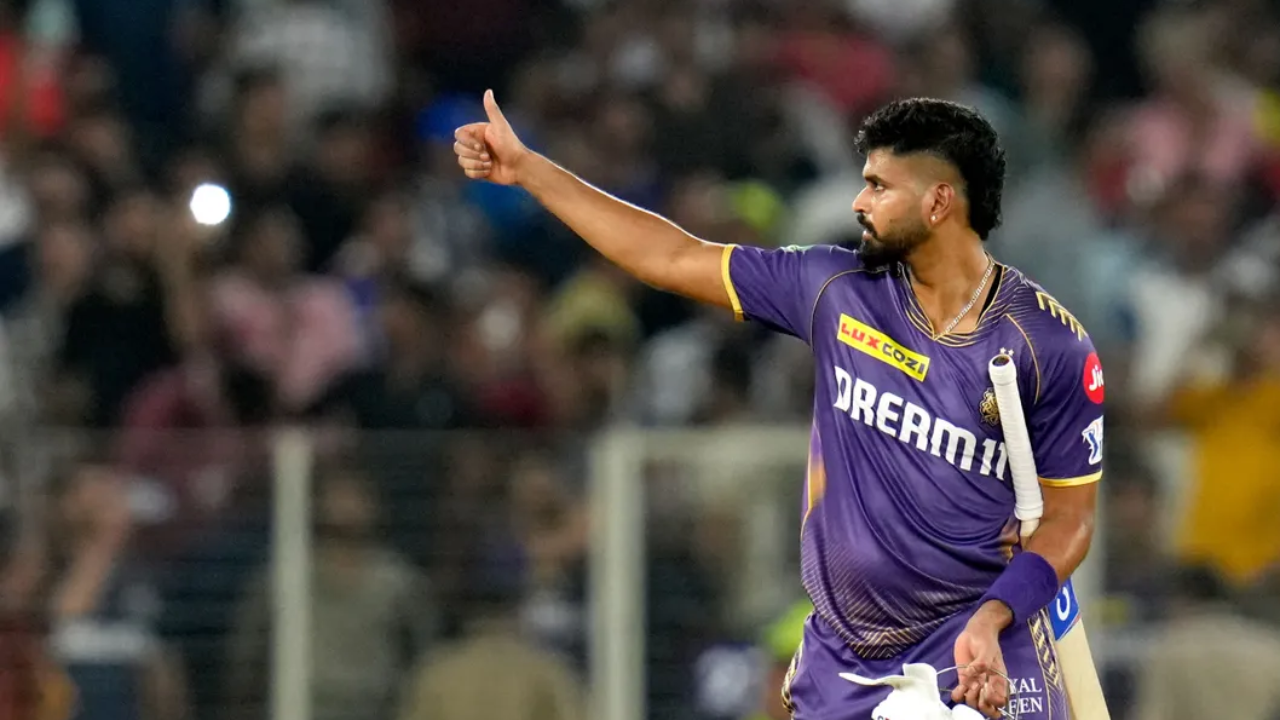
The world of professional sports is as much about strategy and planning as it is about talent and performance. It is not a surprise that recent weeks have been abuzz with discussions within the cricketing community regarding Shreyas Iyer’s departure from Kolkata Knight Riders (KKR) ahead of the IPL 2025 auction. Iyer, who managed to take the IPL 2024 title for KKR, expressed disappointment over a lack of communication as a key reason for him leaving the organization in an open interview. This becomes a salient reminder of how effective communication and a well-designed relationship play a great role in the management of sports personalities.
Understanding Iyer’s Situation
In an interview with the Indian Express, Iyer shared his feelings about the retention process, revealing that he felt perplexed by the lack of engagement from KKR following their championship win. “It was a fantastic time winning the championship at KKR,” he stated, but he was left in the dark regarding his future with the team. This is the primary aspect of ensuring player retention-in timely and candid communication between players and management. Had they considered talking to the player sooner than this, KKR would have firmly secured their spot with Iyer, who stood at the epitome of their progress.
Retention Through Better Communication
Of course, anyone would know communication is the bedrock of any fulfilling relationship, private or professional. This is even more critical in sports because players put in their time and emotions into their teams. Iyer’s words bring out the need for clear dialogue on expectations and future plans. For franchises, open lines of communication can help avoid misunderstandings and foster a culture of trust and respect. A proactive approach could have led to a different outcome for both Iyer and KKR, emphasizing that discussions about retention should be ongoing rather than reactive.
Lessons for Franchises
Franchises can learn valuable lessons from Iyer’s experience. First, they should prioritize regular check-ins with players, especially those who have played pivotal roles in their successes. This helps in the understanding of the player’s feelings and also supports the franchise in their commitment towards its athletes. Feedback loop that enables the player to raise his or her concerns would also improve the overall team environment. These are the strategies by which franchises can develop a stronger and more cohesive team to face the challenges of competitive sports.
The Impact of Player Relationships
The journey of Iyer for KKR is not merely a cricketing but a relationship one. He mentioned that winning the championship was, almost in life, and this attachment he had with the franchise made the communication breakdown something that would be bigger. Players develop great bonds with teams, but franchises that believe these relationships help make their players true supporting and motivated partners. It is not just about the contract; it is about mutual respect and understanding.
The Future: A New Beginning for Iyer
After being released by KKR, Iyer was bought by Punjab Kings for a record fee of Rs. 26.75 crore. He will be the captain of the team. This change will give him a new beginning and an opportunity to rediscover himself as a leader in a new setup. However sad the circumstances in which he is leaving KKR are, these are a hard lesson not just for him, but for everyone, to learn that the cricket fraternity needs to start being more demanding of its fraternity on behalf of each other.
While Iyer’s experience may set an example of self-assertion among fellow players, this also makes franchisees more cognizant of their players.
Conclusion: A Call for Better Practices
The story about Shreyas Iyer and KKR has been a remarkable case study on sports management. It portrays the importance of communication, the worth of relationships, and the importance of strategic planning in player retention. As franchises look ahead to future seasons, they would do well to take these lessons to heart, ensuring that they cultivate environments where players feel valued and understood. Ultimately, this will lead to stronger teams and more fulfilling careers for the athletes involved.