Now is when citizens are gearing up to finally hear Budget 2025 as they get impatient with anticipation for being announced by the finance minister Nirmala Sitharaman in this year’s budget. Some huge provisions concerning the improvement in economic growth as well as ease to the overall distressed sectors will most likely be witnessed as a part of the budget presented. It would come at just the right moment ahead of Delhi polls, where its impact was much more prominent among the citizens.
Tax benefits for the middle class
One of the most discussed aspects of the budget to be presented is the tax relief for individuals earning between Rs 10 to 15 lakh annually. According to government sources, taxpayers in this salary range may receive substantial benefits, which could enhance their disposable income and stimulate consumer spending. This move is part of a broader strategy to invigorate the economy by increasing the purchasing power of the middle class, which is vital for sustaining growth.
Support to MSMEs and Infrastructure Development
Another focus area of Budget 2025 is on MSMEs and infrastructure sectors. The government reportedly planned to bring about incentives and relief in terms of tax, which would have great benefits for such sectors, primarily responsible for providing jobs and restoring economic stability. The infrastructure sector, hospitality, manufacturing, and real estate will reportedly get a substantial boost as proposed investments will enhance growth and improve capabilities.
Addressing the Impact of Artificial Intelligence
In today’s rapidly changing technological landscape, the implications of artificial intelligence cannot be ignored. As AI becomes more integrated into various industries, concerns about job displacement have arisen. The upcoming budget is expected to address these concerns by outlining strategies that will not only mitigate job losses but also ensure that Indian companies remain competitive on a global scale. This could include provisions for retraining employees and investing in AI-focused initiatives.
Economic Growth Comparisons
The government has released impressive data that indicates the growth trajectory of the economy since the UPA era. For example, the average monthly per capita consumption expenditure has risen sharply from Rs 1,430 in 2011-12 to Rs 4,122 in rural areas and Rs 6,996 in urban areas by 2023-24. This growth narrative is crucial because it marks the commitment of the government towards sustaining economic momentum through effective policy-making in Budget 2025.
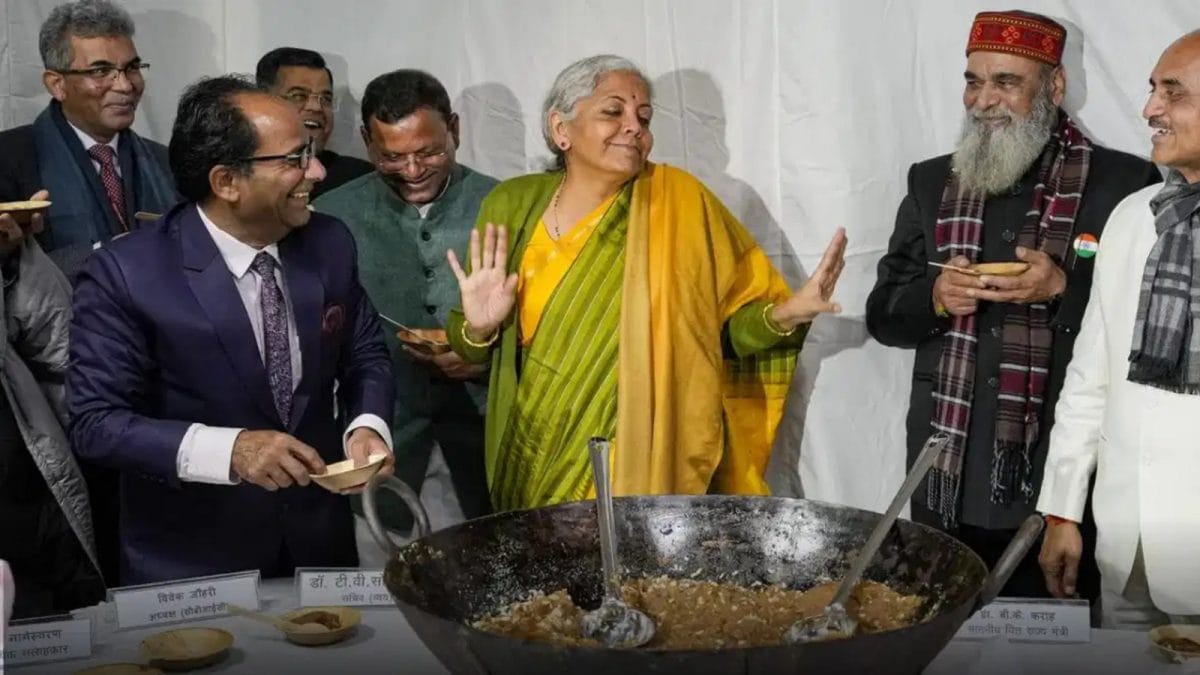
The Halwa ceremony has a cultural significance.
Interestingly, the process of preparing the budget involves a traditional ceremony known as the Halwa ceremony, which signifies the formal initiation of the final preparations. As the ceremony begins this year, it would be interesting to note how it resonates amidst the political backdrop and the cultural significance it carries. It is a ritual as much as a moment where finance ministry officials prepare to deliver a budget impacting millions of lives.
Conclusion
This is Budget 2025. As we wait for its unveiling, suffice it to say that this budget has tremendous potential to shape the economic landscape for the coming years. I hope with tax relief to the middle class, support for MSMEs and infrastructure development, as well as acknowledging the role of AI in all this and how it will impact jobs, this is going to be a turning point budget. Citizens and businesses alike should keep abreast of the details as they unfold so that they can take advantage of the opportunities this event will create.