

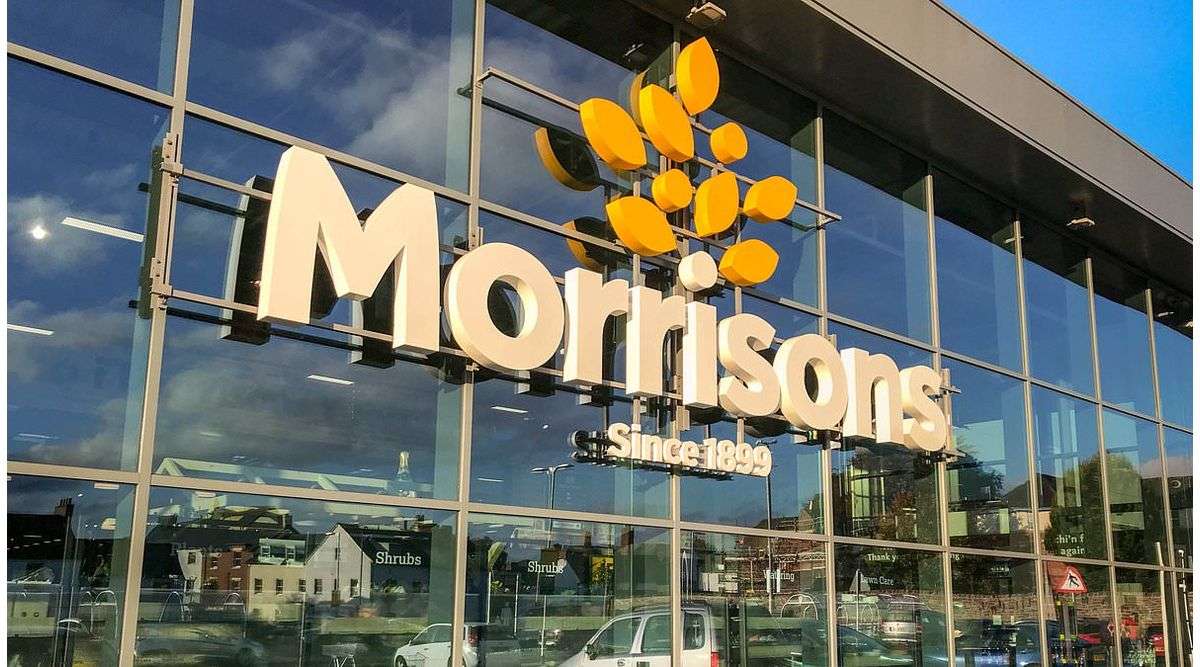
In a significant move reflecting the evolving landscape of UK retail, Morrisons announced plans to close 52 cafes and 17 convenience stores across the country. This decision stems from a need to cut costs as the supermarket giant faces increasing competition from discounter rivals like Aldi and Lidl. As someone who has followed the grocery sector closely, I can tell you that these closures are not merely about reducing numbers; they represent a strategic shift aimed at revitalizing the brand.
What are the key factors and financial figures behind the recent Morrisons store closures in the UK, and how are these closures impacting employees and local economies?
Morrisons is set to close not just cafes but also several in-store services, including meat and fish counters, pharmacies, and all its market kitchens. This decision puts approximately 365 jobs at risk, a significant concern for those employees and their families. The closures will unfold over the next few months, impacting various locations—from bustling cities to quieter towns across the UK. For instance, cafes in Leeds, Portsmouth, and Glasgow are among the affected sites, highlighting the widespread nature of these changes.
Why Now? The Pressure to Adapt
The decision to shutter these locations comes on the heels of Morrisons’ struggle to maintain market share. With Aldi surpassing Morrisons as the UK’s fourth-largest supermarket chain in 2022, the pressure to adapt has intensified. Susannah Streeter, a financial analyst at Hargreaves Lansdown, noted that Morrisons is making adjustments to compete effectively in a price-sensitive market. The closures are seen as a necessary step to free up cash and focus on more essential services that align with customer preferences.
Morrisons’ chief executive, Rami Baitiéh, emphasized the importance of these changes in shaping a robust future for the brand. He stated, “The changes we are announcing today are a necessary part of our plans to renew and reinvigorate Morrisons and enable us to focus our investment into the areas that customers really value.”
The Community Impact
While the operational changes are crucial for the long-term viability of Morrisons, they come at a cost to local communities. Cafes in Morrisons have often served as gathering spots, providing affordable meals and a welcoming atmosphere for shoppers. It’s difficult not to feel a sense of loss for the local flavor that these cafes brought to their neighborhoods. In areas like Bradford Thornbury and Paisley, the closures will leave a noticeable gap in community engagement.
What’s Next for Morrisons?
As Morrisons embarks on this journey of transformation, the company is also exploring partnerships with third-party vendors to provide specialized offerings in locations where counters and cafes are closing. This strategy could potentially fill the void left by these closures and cater to the changing needs of consumers. However, there is an air of uncertainty surrounding how effective these partnerships will be in maintaining customer loyalty.
In conclusion, Morrisons’ recent announcements about store and cafe closures are a clear sign of the shifting dynamics within the retail landscape. As customers increasingly prioritize value, the supermarket must navigate these changes carefully. The long-term success of Morrisons will hinge on its ability to adapt, innovate, and remain relevant in a competitive market. For now, it’s a waiting game to see how these strategic decisions unfold in the months to come.