
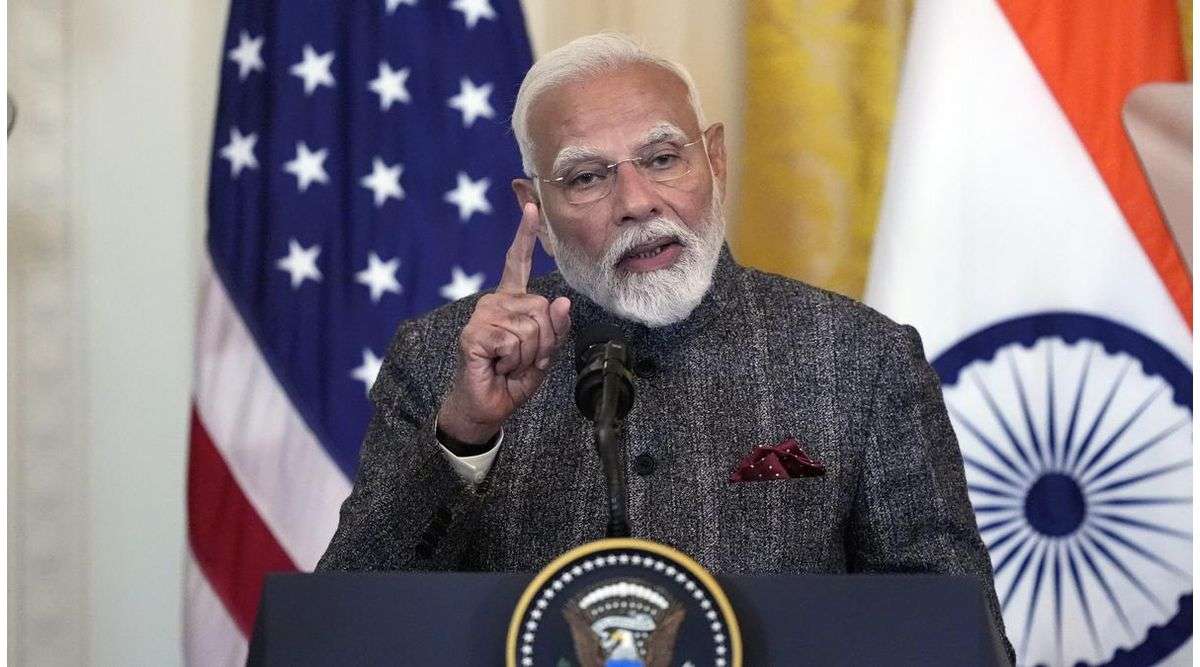
In recent years, the relationship between the United States and India has undergone a significant transformation, marked by emphasasing trade partnerships and academic collaborations. As leaders like Prime Minister Narendra Modi and former President Donald Trump engage in discussions aimed at strengthening bilateral relations, it becomes essential to delve into how these interactions are shaping economic landscapes and educational opportunities for students in both nations.
A New Era of India US Trade
The dialogue surrounding trade between the US and India has been vibrant, particularly with the ambition of doubling bilateral trade to $500 billion by 2030. However, this objective is not without its challenges. Trump’s emphasis on reciprocal tariffs reflects a broader concern about trade imbalances. In 2023, for instance, while the US charged an average tariff of 3% on Indian imports, India’s tariff rate on US goods stood at a striking 9.5%. This discrepancy highlights the need for negotiations to facilitate a more equitable trading environment, benefiting both nations.
Role of Education in Strengthening Ties of India and US
Education has emerged as a crucial pillar in the US-India partnership. With over 330,000 Indian students studying in the US in the academic year 2023-24, the economic impact is profound, contributing more than $8B annually to the US economy. Both Modi and Trump recognised the importance of student exchange and academic collaboration as a means of fostering mutual understanding and innovation. The proposal for American universities to establish offshore campuses in India is a testament to the commitment towards enhancing educational ties.
Examples of Successful Academic Collaboration with India
Several initiatives have been established to enhance educational exchanges. For instance, universities from the UK and Australia have taken the lead in setting up campuses in India’s GIFT City. This move not only opens doors for Indian students but also allows for the sharing of global academic standards. The upcoming collaborations between Indian and US institutions are poised to create a similar impact, enriching the educational landscape in India.
Addressing Challenges in Trade with Modi and Trump Meeting 2025
While the potential for growth in trade and education is significant, challenges remain. The conversation around tariffs and trade barriers often overshadows opportunities for collaboration. For instance, India is keen on boosting oil and gas imports from the US to address trade imbalances. As Modi indicated, increasing energy purchases could help mitigate the trade deficit and foster a more balanced economic relationship.
Navigating the Political Landscape around Trump in second term
The political dynamics between the two countries also play a critical role in shaping their relationship. The discussions between Modi and Trump have touched on sensitive issues such as illegal immigration and human trafficking, demonstrating a willingness to address complex topics. However, the avoidance of discussions on human rights and democratic values raises concerns about the depth of their partnership. It is vital for both nations to engage in open dialogues that encompass not just economic interests but also shared values.
The Future of US-India Relations after this Meeting
As we look ahead, the US-India relationship is poised for further evolution. The shared interests in technology, education, and trade create a fertile ground for collaboration. Both nations must navigate their differences thoughtfully while capitalizing on their strengths. With leaders committed to forging a closer alliance, the landscape of US-India relations will continue to shift, presenting new opportunities for students and businesses alike.
In conclusion, the evolving dynamics between the US and India reflect a commitment to enhancing trade and educational ties. As both nations work towards mutual goals, the impact of these collaborations will resonate across borders, benefiting not just their economies but also their societies. The path forward requires continued dialogue, innovation, and a focus on shared aspirations that transcend tariffs and trade disputes.