
Media, in this interlinked world, plays an ever more critical role in defining narratives on global conflicts. The issue of the ongoing war in Ukraine dominating the headlines, with commentators such as Tucker Carlson’s influence, poses essential questions regarding the responsibility of media and the diffusion of misinformation.
The Power of Media Narratives
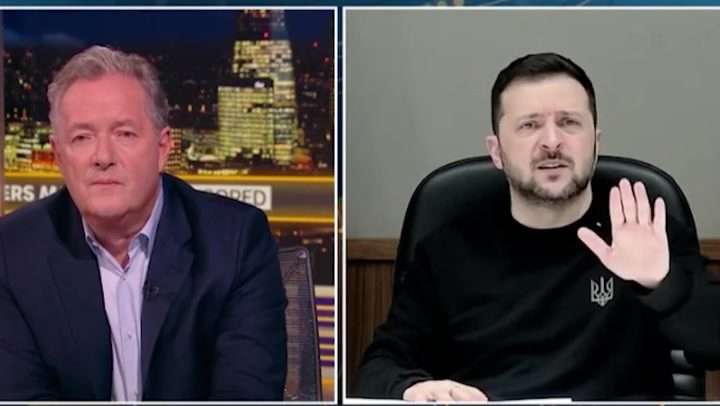
Media has the power to shape public perception, especially in times of conflict. A poignant example is the war in Ukraine, where various media outlets present differing perspectives on the situation. President Volodymyr Zelensky’s recent criticism of Tucker Carlson highlights how some media figures can distort narratives to align with their agendas.
Carlson, a former host for Fox News, has come under fire for spreading what many view as narratives approved by the Kremlin. Labeled Zelensky as a ‘dictator’ and questioned Ukraine’s martial law; these statements have fed into misconceptions about the intricacies of the situation. The question arises: how do we separate fact from fiction in an information age?
Misinformation can become deadly, especially in war zones. Zelensky’s claims that Carlson misinforms the American people illustrate how storytelling can influence attitudes and even intensify conflict. For example, Carlson’s interview with Russian leaders, where baseless claims went unchallenged, speaks to the duties of journalists. When media personalities decide to allow certain voices without questioning, it can lead to dangerous misconceptions.
Additionally, Zelensky brought up the irony in Carlson’s arguments about religious groups being persecuted in Ukraine. His insistence that such stories are Kremlin propaganda makes it clear that a more sophisticated view of the conflict is required. Many voices in the media also share these views, pushing for responsible reporting and accuracy over sensationalism.
The Call for Responsible Journalism
The rise of misinformation calls for more responsible journalism. As consumers of media, we must critically evaluate the sources of information we engage with. This means supporting journalistic integrity and seeking out fact-based reporting that provides a balanced view of the situation. Organizations and platforms dedicated to fact-checking can play a significant role in this process.
It is also essential that journalists relate well with the communities they are reporting from and should ensure that they give voices to all parties involved in a conflict. For Ukraine, this will be giving voice to those whose lives are being threatened by the war, especially the Russian-speaking majority who have been victims of the violence.
Real-Life Examples of False Information
Throughout history, misinformation has altered the course of conflicts. From the Spanish-American War to the Vietnam War, media narratives have shaped public opinion and influenced political decisions. In the context of the Ukraine war, the spread of misinformation can lead to increased polarization and hinder international support for Ukraine’s sovereignty.
A stark example would be the kind of difference in the narratives from the Western media and those being peddled by Russian state media. While the western media outlets tend to zoom in on the human aspect of the conflict, Russian media might downplay these aspects or reconstruct them to justify military action. These differences should make us seek out diverse accounts and question motivations behind the stories we get exposed to.
Conclusion: Navigating the Information Landscape
In this new landscape of modern media, to be informed requires an active role. Consumers of news need to be aware and not let their guard down, searching for reliable sources and questioning those that are too simplistic or biased. This will create a more informed public discourse, one that can promote peace and understanding in the midst of conflict.
In summary, it is necessary to recognize how media narratives affect our understanding of the world at large as we witness the happenings in Ukraine. Advocating for responsible journalism and critical consumption of information would lead to a more informed society, capable of discerning fact from fiction.