

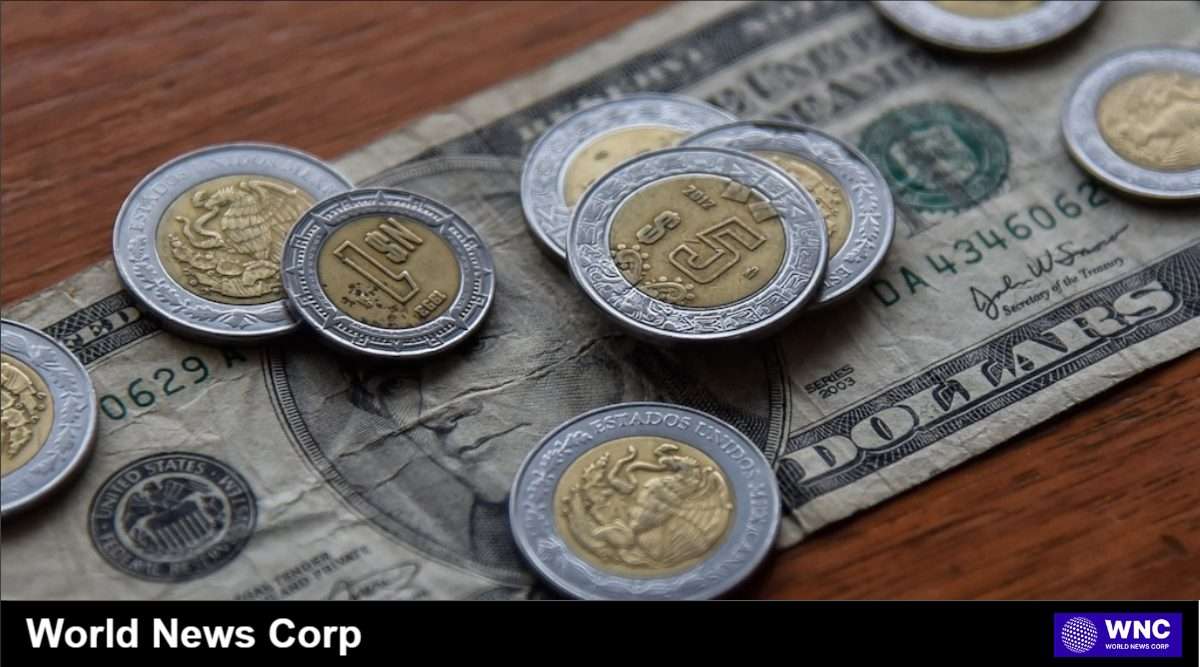
As of April 2025, the Mexican peso has been showing slight fluctuations against the U.S. dollar. Currently, the dollar is trading at approximately 19.58 pesos, reflecting a minor decrease from the previous day. Over the past week, the dollar’s value has seen a decline of 1.78%, but it still maintains a year-on-year increase of 17.24%. This situation is indicative of the complex relationship between the two currencies, often influenced by economic policies and international relations.
What Role Do Politics Play in Peso-Dollar Trends?
The peso’s performance throughout 2024 was anything but stable. It began strong, even being referred to as the “superpeso” when it briefly traded at 16 pesos per dollar. However, as the year progressed, political decisions, particularly regarding the controversial reforms in the Mexican judicial system and the threats from the Trump administration, led to a depreciation of the peso against the dollar. The dollar’s resurgence back to 20 pesos highlights how sensitive currency values can be to political climates.
Economic Predictions for 2025
Looking forward, Banco de México (Banxico) has projected that the dollar will range between 20.24 to 20.69 pesos in 2025. These conservative estimates take into account the potential repercussions of the ongoing political landscape, particularly the relationship between the U.S. and Mexico. This forecast, however, also suggests a need for vigilance among investors and businesses engaged in cross-border transactions.
Inflation and GDP Growth: What’s on the Horizon?
In 2024, Mexico’s inflation rates remained relatively stable, hovering around 4%. However, it peaked at nearly 6% in June. Banxico expects inflation to dip below 4% in 2025, projecting a rate of around 3.8%. Additionally, the growth outlook for the Gross Domestic Product (GDP) remains modest, with an anticipated increase of just 1.2%. Such economic indicators are crucial for understanding the broader context of currency valuation and market stability.
The Peso: A Historical Perspective
The peso has a rich history, being the first currency to adopt the dollar sign ($) before it was used by the United States. Today, it stands as the fifteenth most traded currency globally, and the most actively traded in Latin America. With its current abbreviation of MXN, the peso is a vital currency for both domestic transactions and international trade. Its resilience and adaptability are testaments to Mexico’s economic framework.
Conclusion: Staying Informed
For anyone engaged in business or investment in Mexico, understanding the dynamics of the peso against the dollar is crucial. The interplay between political decisions, economic forecasts, and global market trends can significantly impact currency performance. Keeping abreast of these developments ensures that individuals and businesses can navigate this landscape effectively. As we move deeper into 2025, the importance of informed decision-making will only increase, particularly in light of the ongoing U.S.-Mexico relations and their economic implications.