

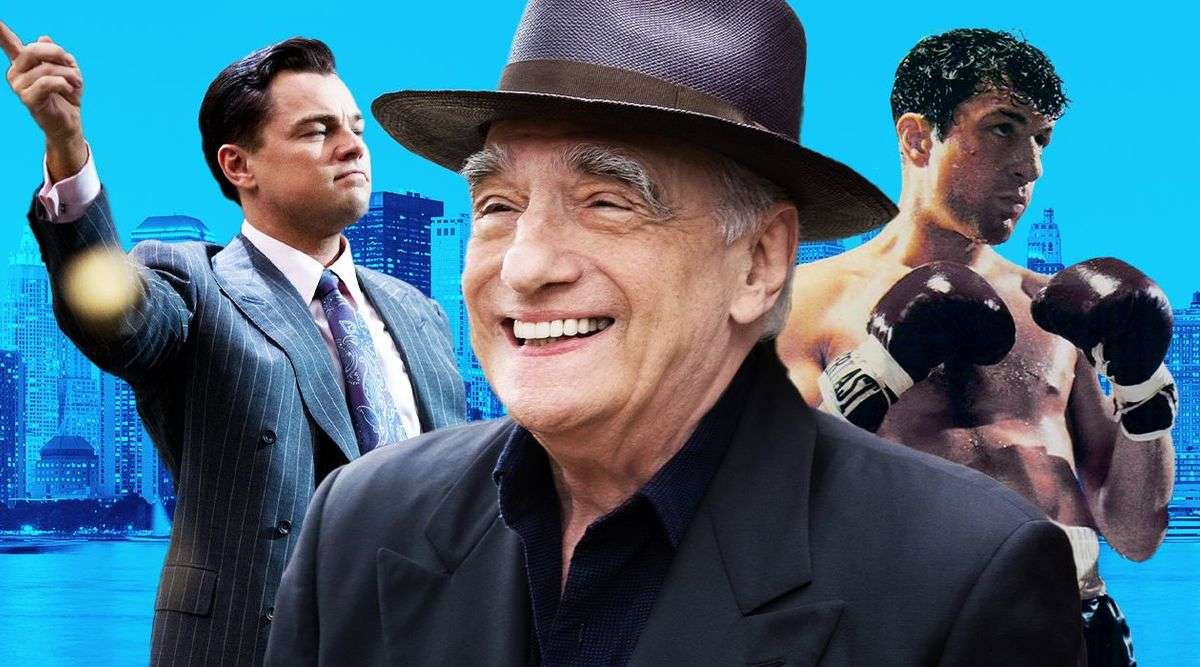
New York City has always captivated filmmakers, but few have captured its essence quite like Martin Scorsese. His filmography serves as a love letter to the city, showcasing its complexities, vibrancy, and sometimes, its darkness. In this article, we’ll explore Scorsese’s unique relationship with New York, delving into his most iconic films set in the Big Apple and how they reflect the city’s evolution over the decades.
What Marked the Initial Journey?
Scorsese’s cinematic journey began with Who’s That Knocking at My Door. Released in 1967, this film marked his debut and provided a glimpse into his artistic vision. Set against the backdrop of 1960s New York, it features a young couple navigating life and love in a city that is both familiar and foreign. The film’s black-and-white aesthetic creates a nostalgic time capsule, allowing viewers to experience a slice of NYC’s past while establishing Scorsese’s affinity for the city.
Romance and Realism in the Post-War Era
Fast forward to 1977, and we see Scorsese diving into the complexities of relationships in New York, New York. This film, described as a dark musical, explores the turbulent romance between a couple struggling to find success in the chaotic post-war entertainment industry. Liza Minnelli and Robert De Niro deliver memorable performances that resonate with the audience, capturing the essence of pursuing dreams amidst relentless challenges. Scorsese’s ability to weave personal stories into the fabric of the city further solidifies his connection to New York.
The Gritty Realities of Urban Life
By the time Taxi Driver hit theaters in 1976, Scorsese had honed his skill in depicting the grittier side of New York. The film introduced viewers to Travis Bickle, a disturbed taxi driver whose descent into madness underscores the isolation and violence permeating the city. Scorsese masterfully portrays New York as a character in its own right—one that is as haunting as it is beautiful. The film remains a cornerstone of American cinema, showcasing Scorsese’s ability to push boundaries and challenge societal norms.
A Reflection of Change: The 1980s and Beyond
As New York continued to evolve, so did Scorsese’s storytelling. In Goodfellas, released in 1990, he explored the world of organized crime through the eyes of Henry Hill, a man entangled in the mob’s web. The film’s realistic portrayal of gangster life showcases the duality of New York—its allure and its dangers. Scorsese’s flair for dynamic storytelling and character development is evident as he captures the city’s pulse, making it an integral part of the narrative.
Legacy and Influence
Most recently, Scorsese curated a screening series titled “Living, Breathing New York”, showcasing films that reflect the city’s diverse cinematic landscape. This includes works by contemporaries like the Safdie brothers, whose films echo the same gritty realism that Scorsese embodies. His influence on modern filmmakers is undeniable; he paved the way for a generation of artists to explore the complexities of NYC through their lenses.
In conclusion, Martin Scorsese’s films are more than just stories; they are a celebration of New York City itself. From its bustling streets to its quiet corners, Scorsese captures the essence of a city that is ever-changing yet timeless. As we continue to watch and discuss his movies, we find ourselves not just entertained but profoundly connected to the narrative of New York—a narrative that Scorsese has so beautifully crafted.