

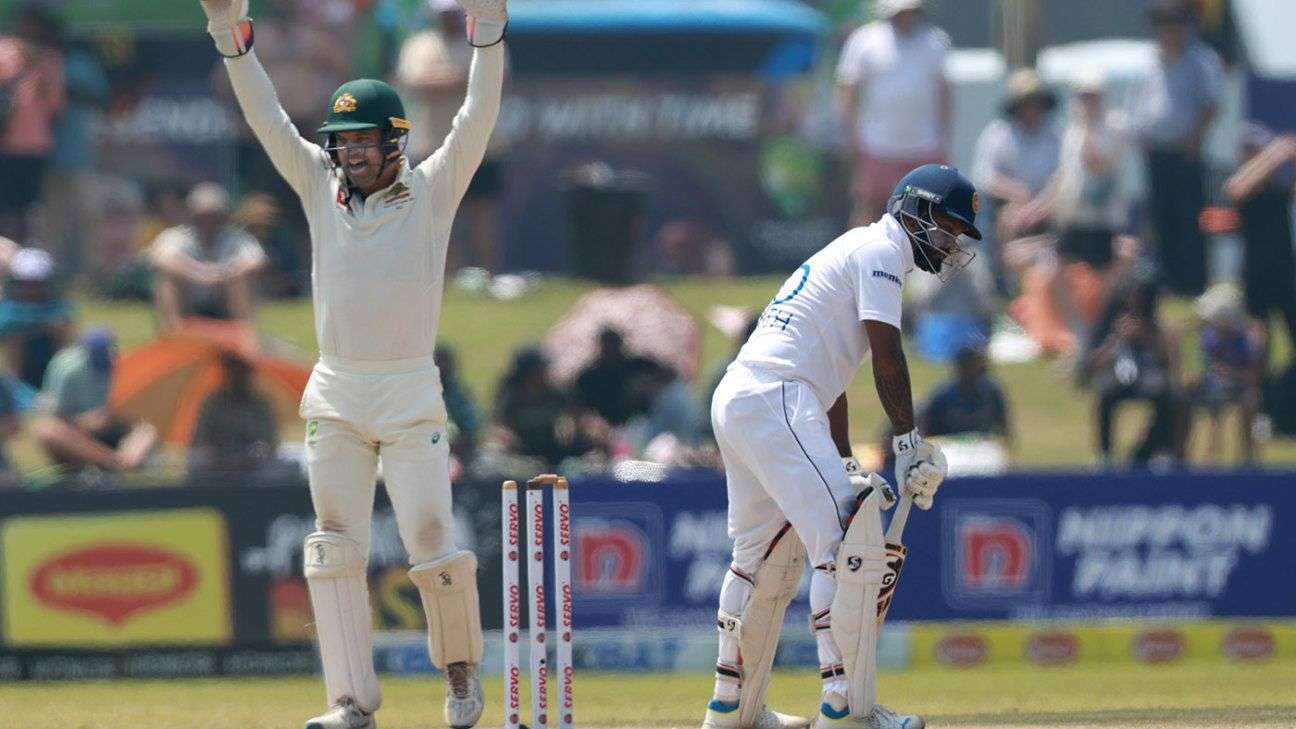
Marnus Labuschagne has made a significant mark in the world of cricket since his debut, particularly in the Test arena. However, his recent performances have sparked discussions about his adaptability, especially in subcontinent conditions. In this blog post, we’ll explore Labuschagne’s journey, his playing style, and the challenges he faces as he aims to solidify his place in the Australian Test team.
The Rise of Marnus Labuschagne
Marnus Labuschagne’s rise to the prominences of Australian cricket is truly a remarkable tale. Brought on as a concussion substitute for Steve Smith during the 2019 Ashes series, Labuschagne seized his opportunity and has gone on to become a regular in the Australian batting line-up. His ability to play long innings and to get his bat to ball for Australia against spin has been lucrative. However, his recent setbacks, especially in conditions such as those in Sri Lanka, have drawn a lot of question marks regarding his technique and adaptability.
Recent Struggles in Subcontinent Conditions
Such is the debate that has been going on regarding Labuschagne that many cricket analysts opine his footwork against spin bowling has a tendency to appear very hesitant at times. Recently, in one of the Test matches, Labuschagne could muster only 4 runs, drawing sharp contrasts with the brilliance he was showing a short time ago. The inconsistency has led to opinions whether he can change his game to cope where spinners turn out the rulers.
Analyzing His Playing Style
Labuschagne is technically sound and possesses a sharp eye for scoring; he often uses a forward press to counter bowlers, which sometimes turns out to backfire in subcontinental conditions. Spin-friendly pitches do call for a different strategy, and his tendency to play back has gotten him caught LBW as well as slipped a few times. This sort of nuance, in his game, needs to be understood better.
A learning curve: Adapting to challenges
Every great player encounters difficulties, and for Labuschagne, it is an opportunity to grow. Recognizing his need to adjust his game, he has concentrated on perfecting his footwork and shot selection against spin. Coaches and former players have advised him that practicing on turning tracks simulates conditions that he will encounter in international matches. This could get him back to form and build confidence.
Mental Resilience
Well, beyond changes in technique are mental resilience contributions to a batsman’s general performance. Such has been Labuschagne’s journey, always one of unyielding pressure and determination on his part to bounce back whenever he has run into disappointments, as did happen in this case, also in the aftermath of low scores in the Tests. A firm mindset will again be crucial towards his resurgence to Test cricket for him.
Future Outlook
When Australia prepares for the tours ahead, with the subcontinent tour being one of the challenging ones, Labuschagne will be under scrutiny. His ability to adapt and learn from past experiences will be crucial. If he can integrate his new strategies into his playing style, he will not only cement his place in the team but also become a cornerstone of Australia’s batting lineup in the future.
Marnus Labuschagne’s story in international cricket is a perfect reflection of the struggles a cricketer has to encounter. His testing period acts as a reminder that even the most talented need to undergo changes and development in order to surmount challenges they undergo through. With great emphasis on adaptability, mental resilience, and technical excellence, Labuschagne can rise above these challenges and entrench himself as a larger-than-life figure in Australian cricket.