
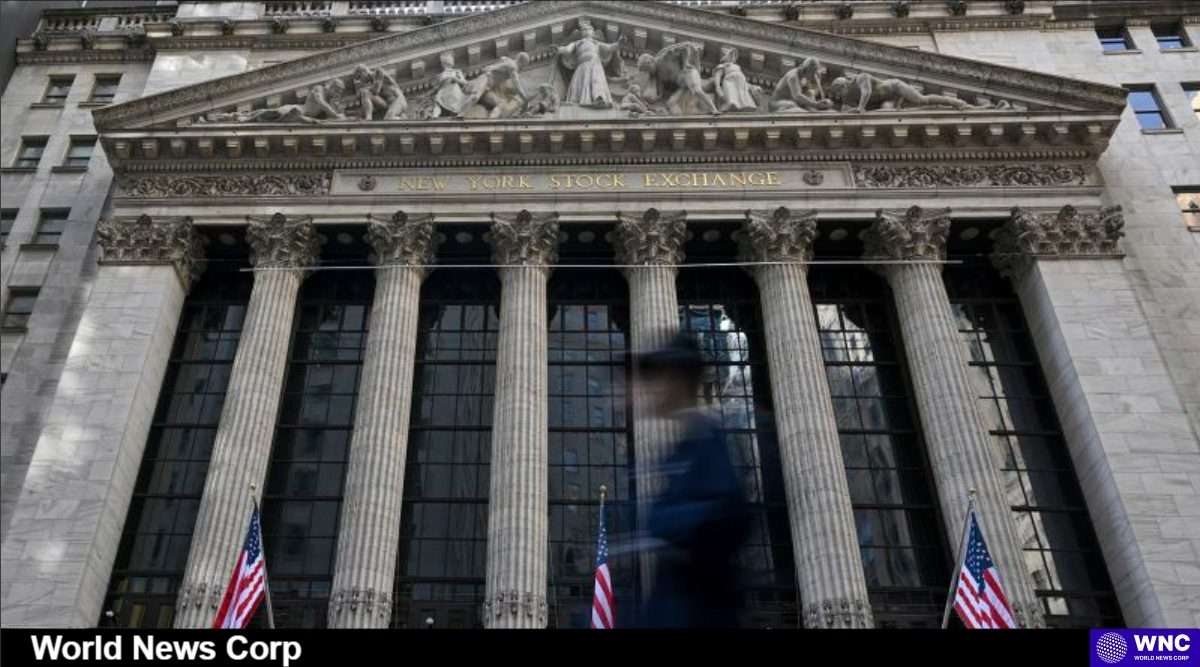
In recent weeks, the U.S. stock market has displayed a mixed bag of performance, leaving investors both anxious and uncertain about the future. As we navigate through turbulent times marked by President Trump’s ongoing trade policies and Federal Reserve Chair Jerome Powell’s cautious stance, it’s essential to understand the implications of these developments on the broader economy and individual investments.
What Drives Tariff Decisions in Trade?
Tariffs have become a significant talking point in the financial landscape, with businesses and consumers feeling the pinch. President Trump has been vocal about his trade policies, claiming they are necessary to protect American jobs and industries. However, the reality is that these tariffs are contributing to inflationary pressures while simultaneously dampening consumer confidence. As reported, companies across various sectors are expressing concerns about the impact of tariffs on their bottom lines. For example, homebuilders like D.R. Horton have warned that elevated mortgage rates combined with tariff-induced cost increases are eroding consumer demand. The result? A sluggish spring selling season for housing, with net sales orders dropping significantly.
The Fed’s Balancing Act
The Federal Reserve, under Powell’s leadership, is in a challenging position. With tariffs likely to exacerbate inflation, Powell has indicated that any decisions regarding interest rate cuts will be approached with caution. As he stated during a recent speech, the Fed must wait for greater clarity on how these tariffs will affect the economy. This lack of decisive action is leaving many investors feeling uneasy. After all, a hesitant Fed can lead to increased market volatility, which we’ve certainly seen in the past few weeks.
Market Reactions to Political Commentary
Trump’s criticism of Powell has not gone unnoticed. This week, he expressed his dissatisfaction with the Fed Chair’s performance, suggesting that his “termination cannot come fast enough.” Such comments contribute to an atmosphere of uncertainty that can trigger market sell-offs, as we witnessed when the Dow dropped significantly following Powell’s warnings. Investors are left to wonder: how much longer can the market sustain itself amid such political and economic turbulence?
Investing Strategies Amidst Uncertainty
So, how can investors navigate these choppy waters? It’s crucial to adopt a defensive strategy. Diversifying your portfolio can help mitigate risks associated with market volatility. Consider sectors that may be less affected by tariff fluctuations, such as utilities or consumer staples. Additionally, keeping an eye on corporate earnings reports will provide insights into how companies are adapting to the current environment. For instance, Netflix’s recent positive earnings report was a breath of fresh air in an otherwise tumultuous market, demonstrating that not all companies are equally impacted by the broader issues at play.
The Bigger Picture
While the immediate focus may be on tariffs and interest rates, it’s important to remember that the economic landscape is dynamic. As Trump continues to negotiate trade deals with China and the EU, and as the Fed monitors inflation trends, the market may react positively to signs of progress. Therefore, staying informed and agile is key. Investors would do well to remain aware of the changing economic indicators and adjust their strategies accordingly.
In conclusion, the intersection of trade policy, Federal Reserve decisions, and market performance presents a complex puzzle for investors. While the current atmosphere may seem daunting, opportunities exist for those willing to look beyond the noise. By staying informed, diversifying investments, and maintaining a long-term perspective, investors can navigate these turbulent times and emerge stronger on the other side.