

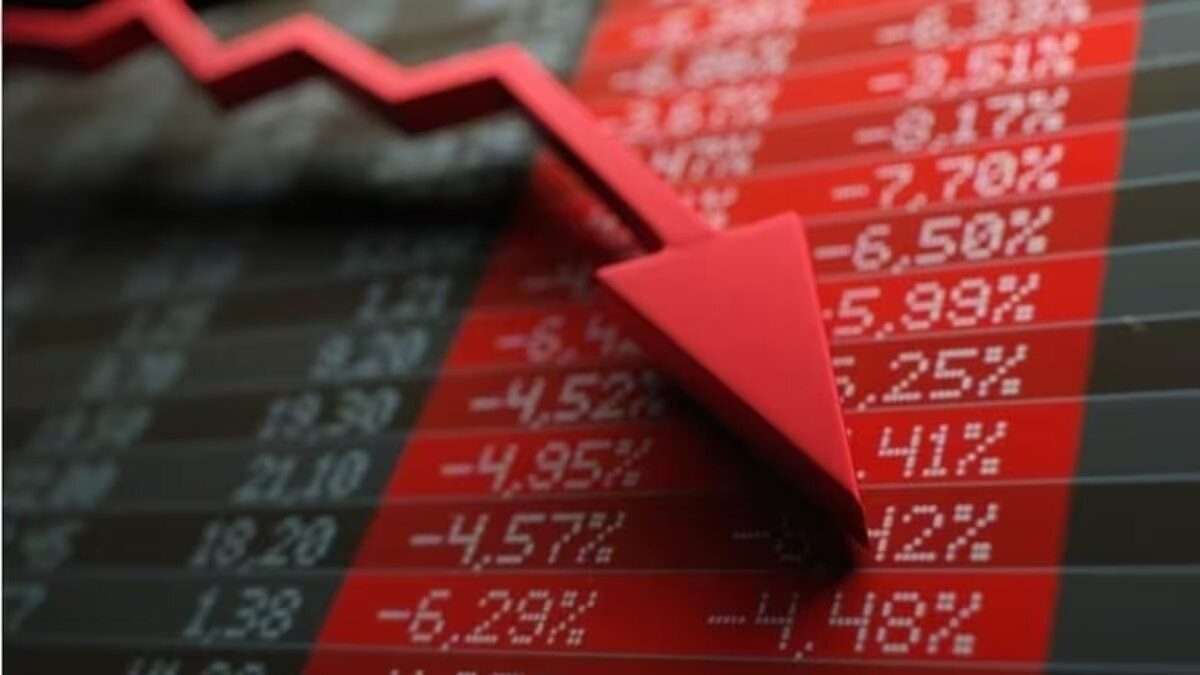
In the last few weeks, the Indian stock market has witnessed immense volatility, and key indices have declined sharply. All these movements are more of the result of a mix of foreign investment trends and global trade policies. It is, therefore, high time that investors get a better feel for how to navigate the choppy waters of the stock market.
The Current Market Landscape
As of February 2025, the BSE Sensex dropped over 600 points in early trading, while the NSE Nifty saw a decline of nearly 200 points. These drops were primarily driven by selling pressure from foreign portfolio investors (FPIs). Despite the Reserve Bank of India’s (RBI) recent rate cut and a victory for the Bharatiya Janata Party in the Delhi elections, market sentiment remains shaky. Kranthi Bathini, Director of Equity Strategy at WealthMills Securities, notes that the lack of earning traction in the medium term is contributing to this pressure, indicating that investors are cautious.
Foreign Investment Trends
One of the critical factors influencing the Indian market is the behavior of foreign investors. With ongoing global uncertainties and concerns over U.S. trade policies, many FPIs are opting to sell their holdings in Indian markets. The recent weakening of the Indian rupee, which fell to a record low against the U.S. dollar, exacerbates this situation by raising import costs and affecting foreign investment sentiment. For instance, the rupee slipped to 87.95 per dollar, leading to fears of increased costs for imports, particularly crude oil.
The Effect of U.S. Trade Policies
The announcement of new tariffs by U.S. President Donald Trump’s move on steel and aluminum imports has added to the complexity of the Indian metal stocks’ landscape. It has triggered a sharp selloff in India, as the Nifty Metal index tumbled 2.94%. The headliners among the biggest losers are Vedanta and Tata Steel, as investors fretted over their losses in light of such tariffs potentially lowering demand and squeezing prices. Such global trade policies have a ripple effect on domestic markets, demonstrating the interconnected nature of today’s economies.
Political Stability and Market Sentiment
While the BJP’s victory in the Delhi elections was expected to bolster market confidence, the impact has been overshadowed by global concerns and foreign investment activities. Analysts say that although political stability is necessary, market focus is more likely to be drawn back towards corporate earnings and world economic trends. The victory of the BJP, winning 48 out of 70 seats in the Delhi Assembly, is good news but will probably not suffice to reverse the bearishness under external pressure.
Navigating Market Volatility
For investors, the key to navigating this volatility lies in understanding the broader economic landscape. Staying informed about foreign investment trends and global trade policies can provide insights into potential market movements. Additionally, focusing on companies with strong fundamentals may offer some protection against broader market fluctuations. As Bathini notes, as long as the Nifty remains above 23,000, there is still a positive trajectory in the medium to short term.
Actionable Insights for Investors
- Stay Informed: Regularly follow market news to stay updated on foreign investment patterns and trade policies that could impact your investments.
- Diversify Your Portfolio: Consider diversifying your investments across sectors to mitigate risks associated with market volatility.
- Focus on Fundamentals: Invest in companies with robust earnings and growth potential, as these are more likely to withstand market fluctuations.
- Consult Financial Advisors. This can provide better market insight and will lead to well-informed decisions.
Conclusion
Volatility in the market may prove challenging for an investor; however, it becomes easier when understanding the various forces that create these trends. Through a focus on foreign investment trends and global trade policies, the complexity of the market is broken down and a chance is seen to possibly gain from the volatility.