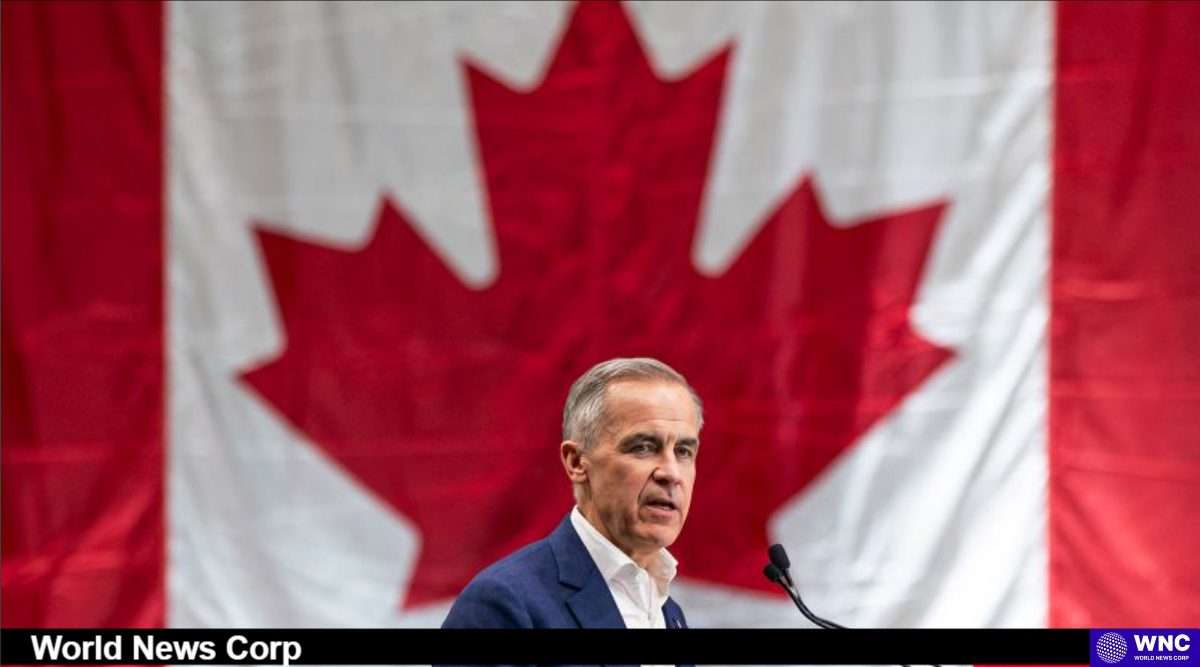
As Canada emerges from a tightly contested election, the spotlight is firmly on the newly elected Prime Minister Mark Carney and the future of the Liberal Party. With President Trump’s increasing aggression toward Canada influencing voter sentiment, this election has been viewed as crucial for the nation’s political landscape. Carney, who took over leadership from the widely criticized Justin Trudeau, positioned himself as the candidate capable of defending Canada’s sovereignty against external pressures.
How does leadership influence the outcome of elections?
In the face of adversity, leadership can make or break a political party. Carney’s rise to power signifies a shift in strategy for the Liberal Party. His extensive background as an economist and former governor of both the Bank of Canada and the Bank of England has allowed him to connect with voters seeking stability amidst economic uncertainty. His opponents, particularly Pierre Poilievre of the Conservative Party, initially held a strong lead in the polls, but as the election drew closer, many voters began to see Carney as the more viable option to counteract Trump’s threats.
Voter Sentiments and Economic Concerns
The Canadian electorate was largely preoccupied with issues of affordability and economic stability. Polling indicated that the electorate was deeply concerned about the rising cost of living and the effects of Trump’s tariffs. Many Canadians felt that Carney, with his financial expertise, could navigate these turbulent waters more effectively than his Conservative counterpart. The election was not just a referendum on Carney’s leadership but also a commentary on the state of Canada’s relationship with the U.S.
Trump’s Influence on Canadian Politics
Trump’s presidency has been a double-edged sword for Canadian politics. While his aggressive tactics stirred national pride and unity among Canadians, they also highlighted the vulnerabilities in the Canadian economy. Carney’s campaign was built on the premise of protecting Canadian interests and asserting independence from U.S. influence. His messages resonated with those who felt threatened by the prospect of Canada being treated as a subordinate in international relations.
Looking Ahead: Carney’s Challenges
Now that the election results are in, Carney faces the daunting task of uniting a party that has struggled with internal divisions and external criticisms. He needs to establish a solid government framework that can respond effectively to the economic challenges posed by Trump’s policies. As Canada braces for potential trade conflicts and economic instability, Carney’s leadership will be pivotal in shaping the future of the nation. His commitment to fostering a resilient Canadian economy, one that prioritizes local production and sustainability, will be crucial.
Conclusion: A New Era for Canada
With the results of the election projecting a Liberal victory, the question remains whether Carney can secure a majority in Parliament. His leadership style and policies will be under intense scrutiny as he strives to fulfill the promises made during his campaign. As Canadians look to the future, they will be watching closely to see if Carney can navigate the complexities of international relations and domestic challenges while maintaining the trust of the electorate.