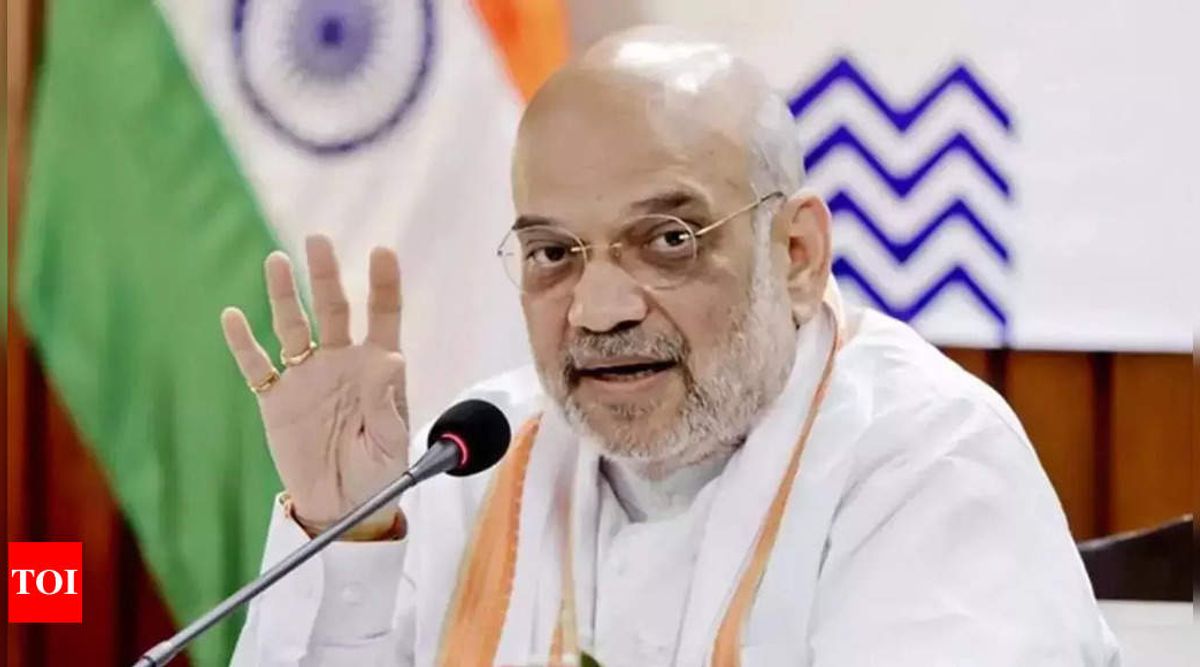
The ongoing ethnic tensions in Manipur, which have escalated since May 2023, have prompted serious concerns over the security and well-being of its residents. In a recent high-level meeting chaired by Union Home Minister Amit Shah, the Indian government reiterated its commitment to restoring peace in the region. This meeting, which took place in New Delhi, brought together key security officials to assess the current situation and formulate a strategic plan for reinstating normalcy.
How Can We Guarantee Free Movement for Everyone?
One of the most pressing directives issued by Home Minister Shah is the guarantee of free movement for people across all roads in Manipur, set to commence on March 8, 2025. This initiative is crucial in ensuring that citizens can move without fear of obstruction, which has been a common concern amid the ethnic violence that has plagued the state. The government is serious about taking strict actions against anyone who attempts to create roadblocks, a sentiment that resonates with many locals who have been caught in the crossfire of unrest.
Focus on Border Security and Drug Trafficking
In addition to ensuring free movement, the government is also tackling illegal cross-border activities linked to the ethnic conflict. Amit Shah emphasized the need for expedited fencing of the Indo-Myanmar border, a strategic measure aimed at curbing illegal migration and drug trafficking. He stressed that dismantling the drug trafficking network is imperative to creating a drug-free environment in Manipur. This is a significant step, as drug abuse has been a persistent issue in the state, exacerbating the violence and unrest.
Community Involvement in Disarmament
The meeting also addressed the issue of disarmament. Following a call from Manipur Governor Ajay Kumar Bhalla for civilians to voluntarily surrender looted weapons, the meeting reviewed the response to this appeal. Several groups, including the armed Meitei radical group Arambai Tenggol, have expressed intent to surrender their arms as a gesture towards peace. This initiative is vital in reducing the tension and promoting a more secure environment for all communities within the state.
The Road Ahead for Manipur
As the government lays out its plans, it remains committed to restoring peace in a region that has suffered significantly due to ethnic conflict. The center’s resolve to provide assistance has been evident in its approach to handling the situation. However, the path to stability is not without challenges. The conflicting demands of various ethnic groups, such as the Kuki Students’ Organisation’s call for a separate administration, highlight the complex political landscape that must be navigated.
Conclusion: A Hope for Lasting Peace
With over 250 lives lost and thousands displaced, the need for a comprehensive approach to peace in Manipur is more urgent than ever. The government’s commitment to ensuring free movement, enhancing border security, and dismantling drug networks is a positive step. However, it is essential for all stakeholders, including local communities, to engage in dialogue and work collaboratively towards a peaceful and secure future. As we look forward, it is my hope that these measures will pave the way for lasting peace in Manipur, allowing its residents to live without fear and with dignity.