

On a seemingly ordinary day during the Madrid Open 2025, chaos erupted as a massive power outage swept across Spain, Portugal, and parts of France. The outage occurred just as players were about to take the court, causing immediate confusion. For instance, as Coco Gauff wrapped up her match against Belinda Bencic, the lights flickered and then went dark. Mirra Andreeva was poised to serve for her quarter-final spot when the power failed, leaving players and officials scrambling. The electronic line-calling system went offline, and players had to rely on their own eyes to call the lines. It was a surreal moment in a sport that heavily relies on technology.
What Does the Madrid Blackout Reveal About Energy?
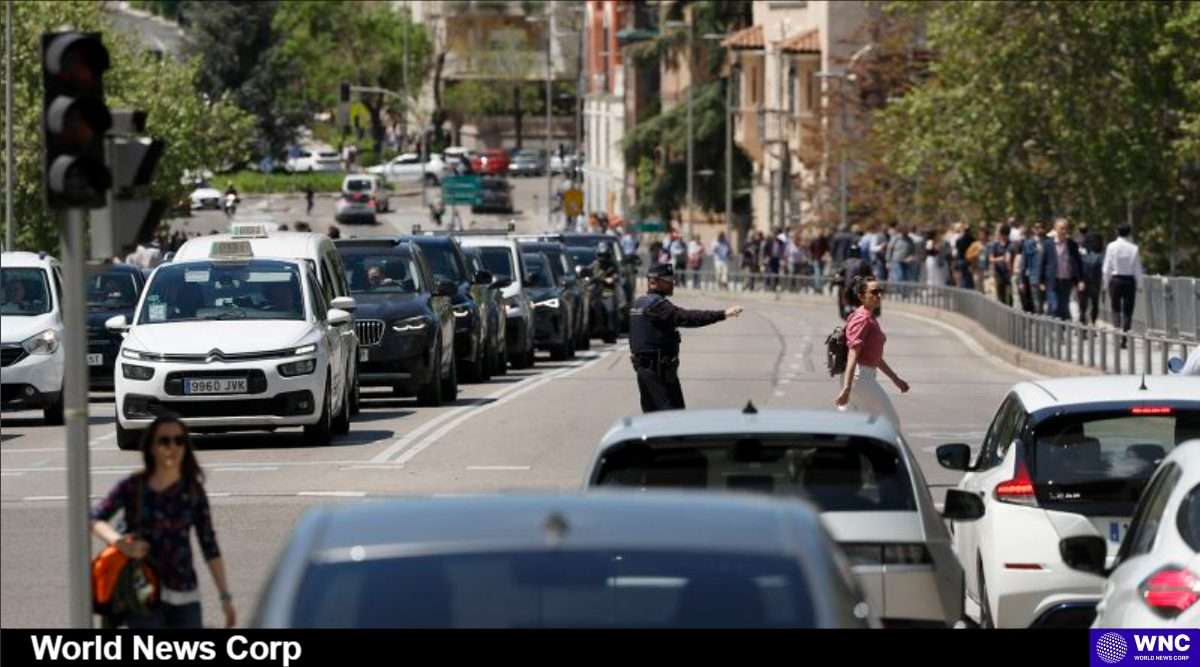
The power outage didn’t just disrupt tennis matches; it had far-reaching consequences. Across the Iberian Peninsula, tens of millions experienced a sudden loss of electricity, which halted public transport, darkened traffic lights, and left many people trapped in elevators. Reports from Madrid highlighted chaos on the roads, with citizens navigating without functioning traffic signals. Even the airports were affected, with flights delayed or canceled, leaving passengers in the lurch. Videos surfaced on social media showing stranded travelers in darkened terminals, relying on cash for purchases due to inoperative ATMs.
Understanding the Cause: A Complex Puzzle
As authorities scrambled to assess the situation, the root cause of the blackout remained elusive. Experts believe that a sudden loss of 15 gigawatts of power in just five seconds triggered the crisis. Spanish Prime Minister Pedro Sánchez remarked that this loss constituted approximately 60% of the country’s power demand at that moment. While initial reports hinted at a phenomenon called “induced atmospheric vibration”, the specifics are still under investigation. Portugal’s Prime Minister Luis Montenegro pointed fingers at Spain, asserting that the problem did not originate in Portugal, yet the exact nature of the issue remains a topic of discussion among experts.
Lessons Learned: The Need for Energy Resilience
This incident has raised significant questions about the resilience of our energy systems. With a growing reliance on interconnected electrical grids across Europe, any disturbance can lead to widespread consequences. The Madrid Open blackout serves as a wake-up call to rethink our energy strategies. The increasing electrification of our lives—think electric vehicles and renewable energy sources—has put pressure on traditional grids that were never designed for such complexity.
As we move forward, embracing decentralized energy solutions like community microgrids could be a pivotal step in enhancing resilience. These systems can function independently and provide immediate relief during outages, reducing the impact on daily life. For instance, regions that have adopted microgrid technologies have reported greater stability during energy crises.
Conclusion: A Call for Action
The Madrid Open blackout not only disrupted a prestigious sporting event but also highlighted vulnerabilities in our energy infrastructure. As we reflect on this incident, it’s essential that we prioritize building stronger, more resilient energy systems to withstand future shocks. After all, as Gauff aptly noted, “It’s just crazy how much we depend on electricity.” The time for change is now; let’s ensure our energy future is secure and sustainable.