

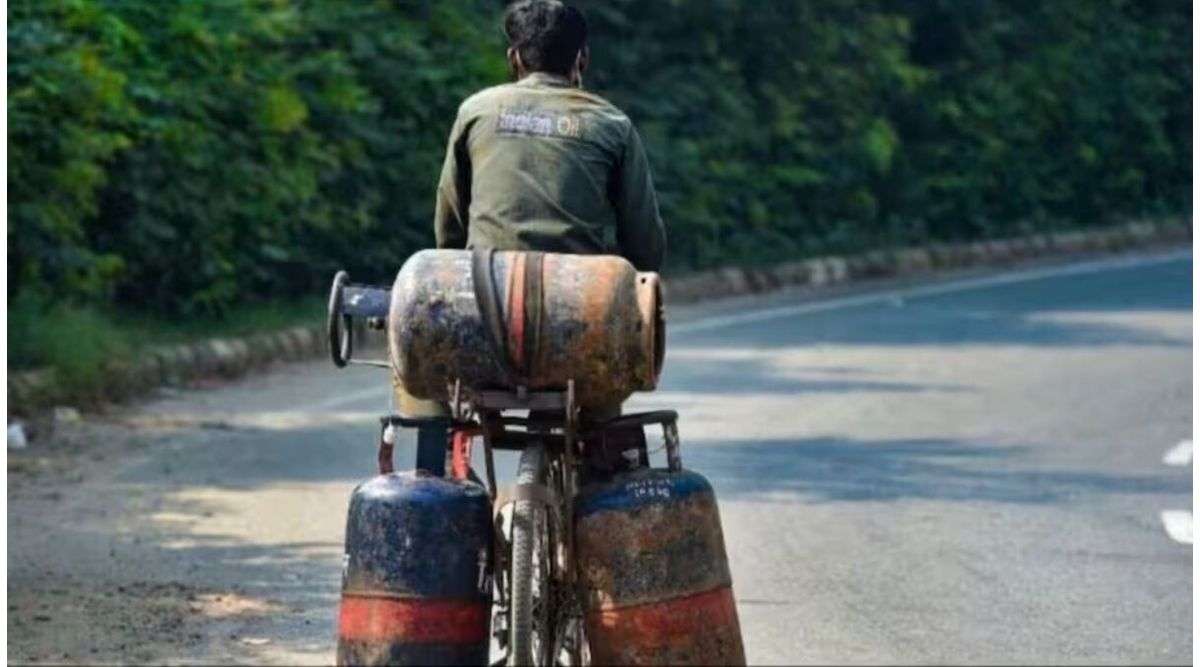
As we all navigate through the ever-evolving energy sector, one term seems to be popping up more frequently: LPG, or liquefied petroleum gas. I recently had the opportunity to dive deeper into this topic, and I must say, it’s fascinating how LPG is becoming a go-to energy source for many households and industries alike.
Now, you might be wondering, why is LPG gaining so much traction? Well, for starters, it’s known for its efficiency and versatility. Whether it’s for cooking, heating, or even powering vehicles, LPG is proving to be a reliable choice. In many regions, it’s often seen as a cleaner alternative to traditional fuels, which is a huge plus in our fight against climate change.
Moreover, with fluctuating oil prices and the ongoing push for sustainable energy solutions, more people are considering LPG as a practical option. In fact, countries are increasingly investing in infrastructure to support LPG distribution, making it more accessible to everyday consumers. I found it particularly interesting to learn how some nations are even incentivizing LPG use to reduce reliance on coal and other fossil fuels.
However, as with any energy source, there are concerns and challenges. Safety is a major issue, as LPG is highly flammable. It’s crucial for users to be educated on handling and storage to avoid potential hazards. Additionally, while LPG is a cleaner alternative, it is still a fossil fuel, which raises questions about long-term sustainability.
In conclusion, LPG is certainly carving out an important niche in the energy market. As we shift towards greener alternatives, it’s essential to keep an eye on how LPG can complement our energy needs without compromising safety and sustainability. Let’s keep the conversation going about how we can harness this resource responsibly.






 in today's energy sector, its benefits, challenges, and its role in a sustainable future.)