

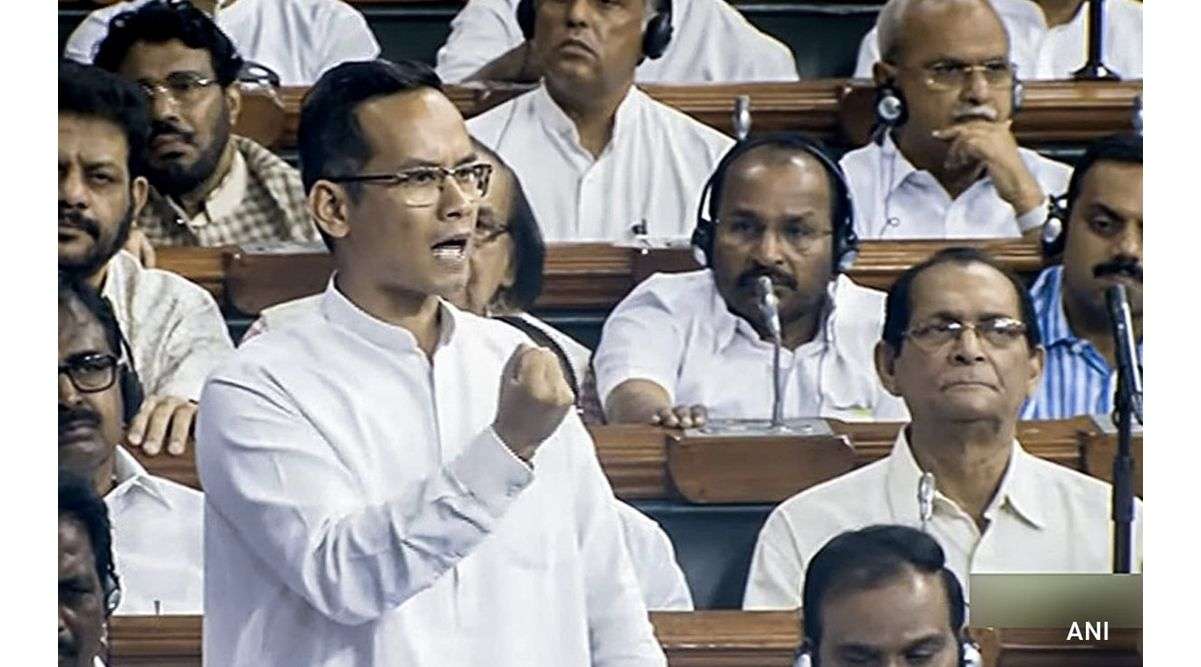
As I tuned into the Loksabha live coverage this week, it was impossible to miss the buzz surrounding the Waqf Amendment Bill. The bill, which aims to reconfigure the management of Waqf properties in India, has become a hot topic among lawmakers and citizens alike. Kiren Rijiju, the Union Law Minister, took to the floor, passionately advocating for its provisions. The bill is perceived as an essential step towards better governance of Waqf boards, ensuring transparency and efficiency. On the other hand, Ravi Shankar Prasad raised concerns over the implications this might have on minority rights. As I watched the live news unfold, I couldn’t help but notice how Gaurav Gogoi of the Congress party challenged the government's stance, emphasizing the need for inclusive dialogue in the debates.
What struck me most was the contrasting opinions being voiced in real time. The Loksabha sessions felt almost like a live sports event, with political leaders passionately defending their positions. The Waqf bill, which many are still trying to understand, is expected to redefine the operational landscape of Waqf institutions across the country. If passed, this bill could pave the way for better development of the properties under Waqf management, which many argue have been neglected for years. As we await the outcomes of this critical discussion, it’s clear that the Waqf Amendment Bill is one of those pivotal moments in Indian politics that we must pay attention to.