
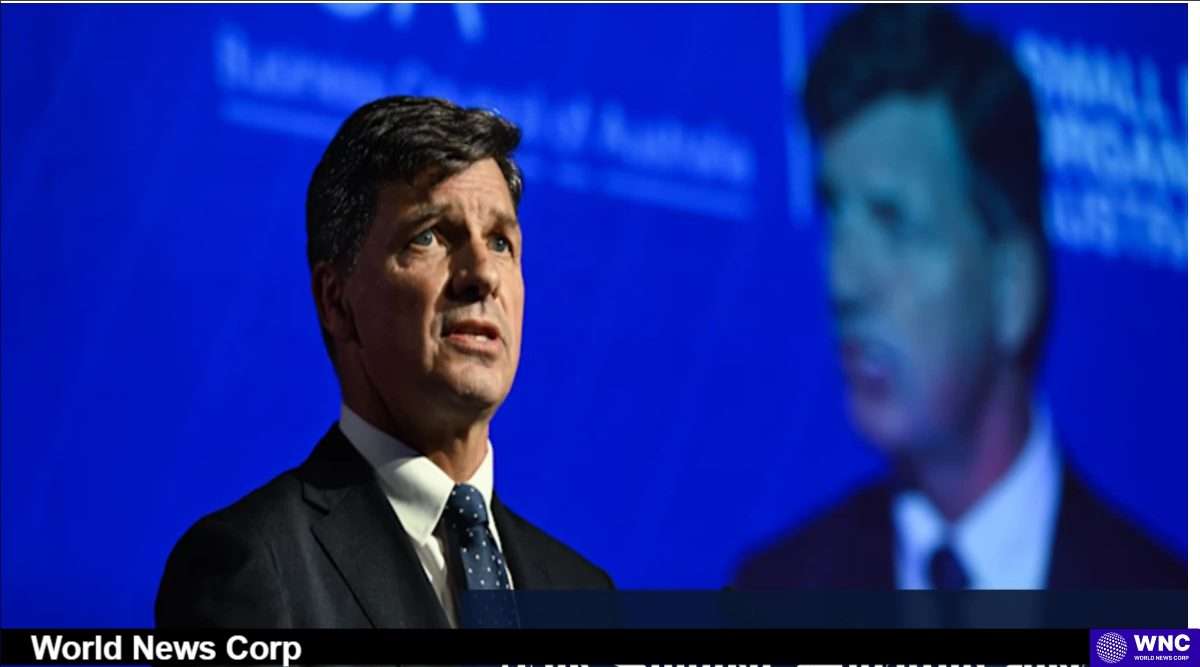
As the Liberal Party prepares for its leadership election, the stakes are higher than ever. With Deputy Leader Sussan Ley and Shadow Treasurer Angus Taylor both vying for the top spot, the party is at a crossroads. Each candidate brings unique strengths and weaknesses to the table, and the outcome will significantly impact the party’s direction.
Who were the top candidates in the 2024 Indian elections and which parties did they represent?
Sussan Ley, a seasoned politician with vast experience, has been eyeing the leadership role for quite some time. Ley has a compelling narrative, having emigrated to Australia at the age of 13 and rising through the political ranks to become one of the most senior women in the party. She aims to resonate with younger voters and women who feel overlooked by the Liberal Party. If successful, she would break new ground as the first female leader of the party. Conversely, Angus Taylor is viewed as a more traditional candidate, backed by former Prime Minister Tony Abbott. Taylor’s focus is on revitalizing the party and addressing past electoral failures.
The Stakes: A Party in Transition
The Liberal Party’s recent electoral performance has raised alarm bells. The loss of key seats to independent candidates has called into question the party’s appeal to traditional voters. Many believe that the new leader must address these shortcomings to rebuild trust and support among the electorate. Ley’s candidacy may attract moderates and those disillusioned with the party’s previous direction, whereas Taylor’s approach may appeal to the party’s right faction, which seeks a return to core conservative values.
Challenges Ahead
Both candidates face significant challenges. Ley has experienced a swing against her in her own electorate, raising concerns about her fundraising capabilities and overall leadership appeal. On the other hand, Taylor has been criticized for lacking a robust economic policy framework during his time as Shadow Treasurer. His association with the party’s prior electoral setbacks may also hinder his ability to rally support. Meanwhile, Tim Wilson, having recently reclaimed the Goldstein seat, is also a potential wildcard, though he remains non-committal about his leadership ambitions.
The Role of Support and Factional Alliances
Support from key factions within the party will be critical in determining the next leader. Ley is aligning herself with moderates, while Taylor has secured backing from influential figures like Tony Abbott. The backing or lack thereof from these factions could dictate the party’s direction moving forward. It’s essential for the new leader to foster a sense of unity among the party’s various factions in order to address the challenges facing the Liberal Party.
Conclusion: Looking to the Future
The upcoming leadership election is set to be a pivotal moment for the Liberal Party. The choice of leader will not only shape the party’s immediate future but will also set the tone for its long-term strategy in Australian politics. As the party grapples with its identity and electoral viability, the decision made on Tuesday will be closely scrutinized by voters, party members, and analysts alike. The future of the Liberal Party hangs in the balance, making this leadership election one of the most consequential in recent history.