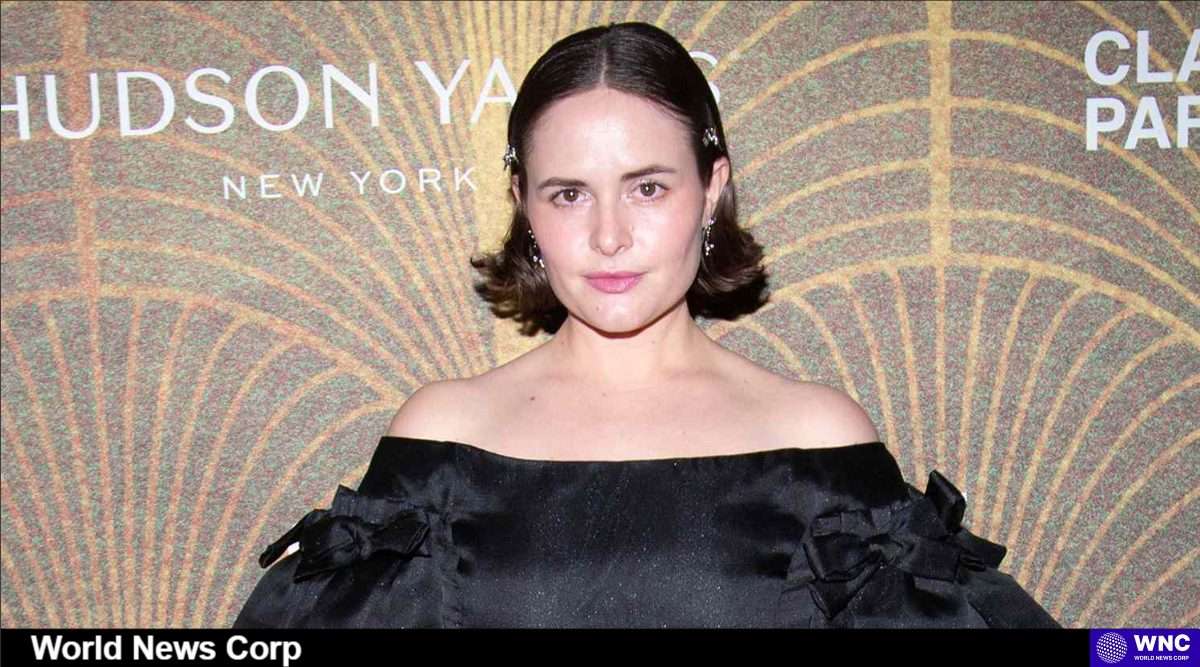
In the world of social media, where trends can explode overnight, the line between inspiration and appropriation can sometimes blur. This is especially true in the realm of dance, where choreography can be transformed into viral sensations at the click of a button. But what happens when those viral movements are monetized without the creator’s consent? This question is at the heart of Kelley Heyer’s lawsuit against Roblox, a popular online gaming platform.
How Did the ‘Apple’ Dance Begin?
Kelley Heyer, a 30-year-old TikTok content creator, first introduced her infectious ‘Apple’ dance in June 2024. Set to the catchy tune of Charli XCX’s song of the same name, the dance quickly gained traction on TikTok, with influencers and celebrities alike joining in on the fun. As the choreography spread like wildfire, it became almost synonymous with the song itself. Heyer, however, was not just a creator; she was also a passionate advocate for her intellectual property rights.
Around the same time that the dance was climbing the TikTok charts, Heyer found herself in discussions with Roblox about potentially licensing her choreography for use in their game. According to her legal team, negotiations were still ongoing when Roblox began selling the ‘Apple Dance’ as an emote. This emote, a celebratory animation used by players, allegedly generated approximately $123,000 in sales for the company without any formal agreement with Heyer.
Legal Action: Standing Up for Creators
Feeling that her rights were being compromised, Heyer took legal action, filing a lawsuit in April 2025. Her attorney, Miki Anzai, made a strong case for the importance of compensating independent creators fairly. “Kelley is an independent creator who should be compensated fairly for her work and we saw no other option than to file suit to prove that,” Anzai stated. The crux of the lawsuit lies in the claim that Roblox moved forward with using her choreography without a signed agreement, effectively sidelining her in a deal that should have included her.
Roblox, known for its commitment to protecting the intellectual property of creators, responded by asserting their confidence in their dealings. They emphasized that the platform takes the protection of artists’ rights very seriously. However, the situation raises a significant question about how digital platforms navigate the increasingly complex landscape of copyright and creator rights.
The Bigger Picture: A Call for Fairness
The ongoing legal battle is not just about one dance emote; it encapsulates a broader issue facing many creators in the digital age. With platforms like TikTok and Roblox enabling rapid sharing and monetization of content, the need for clear agreements and respect for intellectual property rights has never been more critical. Heyer’s case could set a precedent, influencing how companies engage with creators in the future.
Real-world examples abound in this arena. For instance, Epic Games, the developer behind Fortnite, has faced numerous lawsuits regarding the use of viral dances as emotes. Unlike Roblox, Epic has begun actively licensing dances, including Heyer’s ‘Apple’ dance, likely to avoid similar legal complications. This proactive approach could serve as a model for Roblox and other platforms in the industry.
Conclusion: Advocating for Creators
As this legal dispute unfolds, it serves as a reminder of the power dynamics between creators and platforms. Kelley Heyer’s story resonates with many in the creative community who strive to protect their work and ensure that they are fairly compensated. The outcome of her lawsuit could pave the way for more equitable practices in the digital content space, allowing independent creators to thrive while safeguarding their intellectual property rights. For now, the dance continues, both online and in the court of law.