

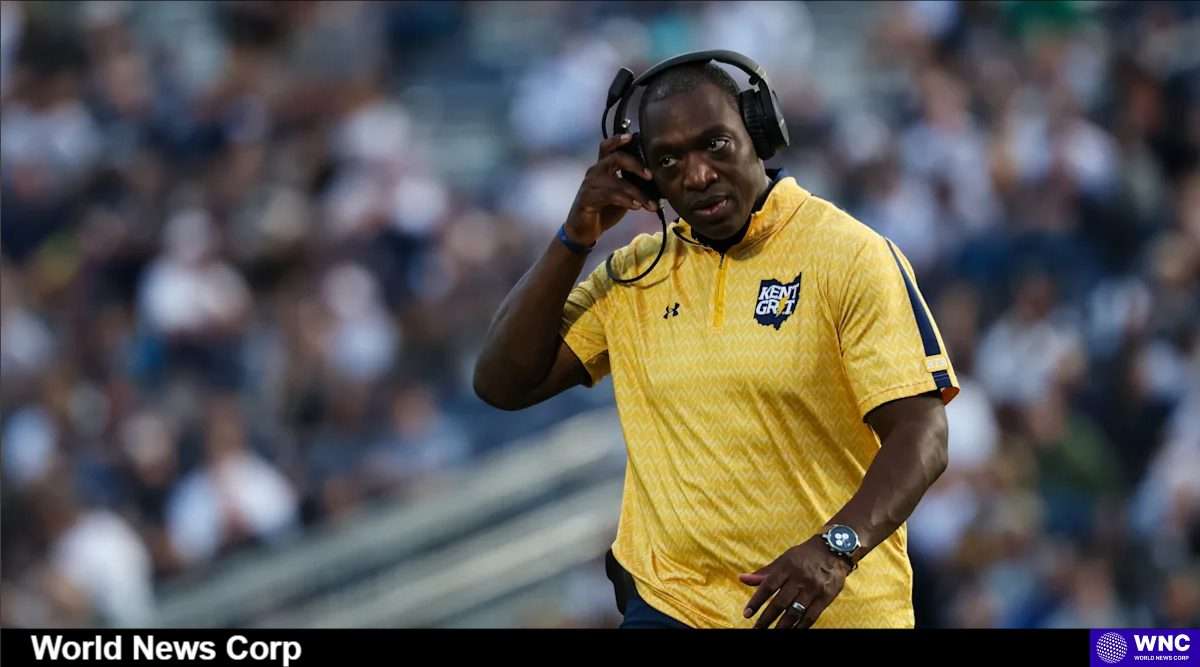
As a sports reporter, it’s always unsettling to cover a story involving ethics violations, especially when it affects a beloved institution like Kent State University. The recent dismissal of head football coach Kenni Burns has raised eyebrows and sparked discussions about ethics in collegiate sports. After being placed on administrative leave in March 2024, Burns was officially fired on April 11, 2024, following an investigation into a loan he received from a university booster who also served as a vendor. The investigation revealed that Burns received over $100,000 in loans from Michael Awad, which might have violated Ohio’s ethics laws.
What Fueled the Loan Controversy?
Burns claimed he was facing financial difficulties due to a flooded home and the inability to sell his Minnesota property. The loans from Awad, initiated in mid-2023, were intended to alleviate those burdens. However, the circumstances surrounding these transactions raised eyebrows. Notably, the investigation found no evidence that Burns paid any interest on these loans, and he managed to settle the debt in a series of payments over 14 months. This situation has prompted experts to question the integrity of such financial dealings between a coach and a booster, especially given the potential for conflicts of interest.
Ethics Laws and Their Implications
Ohio’s ethics laws are designed to prevent public employees from receiving benefits from vendors or boosters. The investigation concluded that Burns’ actions likely constituted a violation of these laws. In addition to the loans, he also faced scrutiny for questionable purchases made on his university purchasing card, totaling around $16,000. The nature of these expenses, including undocumented charges and personal travel, further complicated his case. While Burns did reimburse some of the funds, the investigation deemed his financial practices as “beyond anything they had ever seen” within the university.
A Coach’s Lackluster Tenure
Burns’ time at Kent State was marked by significant challenges on the field as well. With a record of just 1-23 during his two seasons, the Golden Flashes currently hold the longest active losing streak in NCAA Division I football. The lack of success on the field compounded the scrutiny he faced off the field. The question that looms is whether the financial turmoil was a symptom of larger issues within the program or merely a personal downfall.
The Broader Impact on College Sports
Burns’ firing not only highlights individual accountability but also raises larger questions about the culture of collegiate athletics. As financial pressures mount on coaches and programs, the potential for ethical breaches increases. This case serves as a cautionary tale for other institutions and coaches. It emphasizes the need for transparency and strict adherence to ethics guidelines to maintain the integrity of college sports.
Conclusion: What Lies Ahead for Kent State Football?
As Kent State moves forward, it will be important for the university to reflect on this episode and take steps to ensure that similar situations do not arise in the future. The program must rebuild its reputation while also addressing the ethical implications raised by Burns’ actions. The fallout from this incident could have lasting effects on the university’s athletic department and the broader landscape of college sports.
As I continue to follow this story, I hope to see positive changes for Kent State and a renewed commitment to ethical standards in collegiate athletics.