
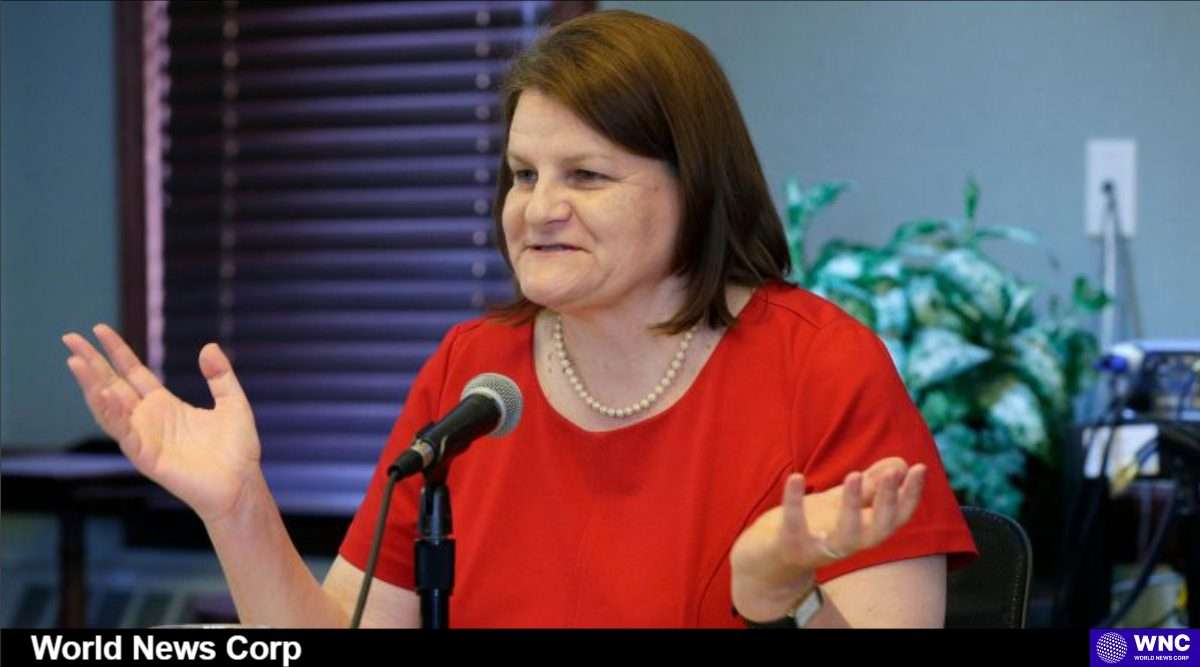
On April 25, 2023, the Milwaukee County Circuit judge, Hannah Dugan, was arrested by the FBI, stirring a national conversation around judicial integrity and immigration enforcement. Dugan is facing two federal charges: obstruction and concealing an individual from arrest. The allegations stem from Dugan’s actions during the arrest of Eduardo Flores-Ruiz, an undocumented immigrant who appeared in her courtroom for a pretrial conference. The situation escalated when federal agents attempted to arrest Flores-Ruiz, leading to a tense encounter between the judge and federal officials.
What Are the Key Details Behind the Case?
According to the charging documents, on April 18, federal agents arrived at Dugan’s courtroom with plans to arrest Flores-Ruiz, who had previously been deported in 2013. Witnesses reported that upon learning of the agents’ presence, Dugan reacted with visible anger, dismissing the situation as ‘absurd.’ She allegedly confronted the agents, insisting they required a judicial warrant and directing them to speak with the chief judge. In a dramatic turn, Dugan reportedly guided Flores-Ruiz and his attorney to exit through a side door, allowing them to evade federal authorities.
Implications for the Judicial System
This arrest highlights a growing tension between local judicial authority and federal immigration enforcement. The Trump administration has intensified scrutiny on judges’ conduct in immigration matters, claiming that local officials who resist federal operations could face serious consequences. Attorney General Pam Bondi emphasized that obstructing justice, especially in cases involving domestic violence victims, would not be tolerated. On the other hand, critics argue that the arrest of a sitting judge poses a dangerous precedent, potentially discouraging others from participating in the judicial process.
Community Reactions and Political Ramifications
Local leaders have expressed concern over the implications of Dugan’s arrest. Wisconsin Governor Tony Evers condemned the federal actions as an attack on the judiciary, asserting that every defendant is innocent until proven guilty. Milwaukee Mayor Cavalier Johnson warned that such arrests might intimidate residents from seeking justice in the courts. This sentiment was echoed by Democratic Representative Gwen Moore, who labeled the arrest as an overreach by federal law enforcement. Meanwhile, Republican leaders defended the actions, emphasizing the need for cooperation with federal authorities.
The Broader Context of Immigration Enforcement
Dugan’s case is not isolated; it reflects a broader national dialogue about immigration policy and local judicial autonomy. The arrest of judges and local officials for their roles in immigration cases raises critical questions about the balance of power within the legal system. As the Biden administration shifts immigration policy, the response to Dugan’s case will likely influence future interactions between local courts and federal immigration enforcement.
What Lies Ahead for Judge Dugan?
As of now, Hannah Dugan has been released after her initial court appearance and is set to fight the charges against her. Her attorney has expressed confidence in her eventual exoneration, asserting that Dugan’s commitment to justice has been unwavering throughout her career. The outcome of this case could have significant implications not just for Dugan, but for the entire judicial system in America, particularly in relation to immigration.
In conclusion, the arrest of Judge Hannah Dugan serves as a polarizing issue that encapsulates the tensions between judicial authority and immigration enforcement. As the legal proceedings unfold, this case will undoubtedly remain in the spotlight, highlighting the complexities of law, order, and justice in America.